


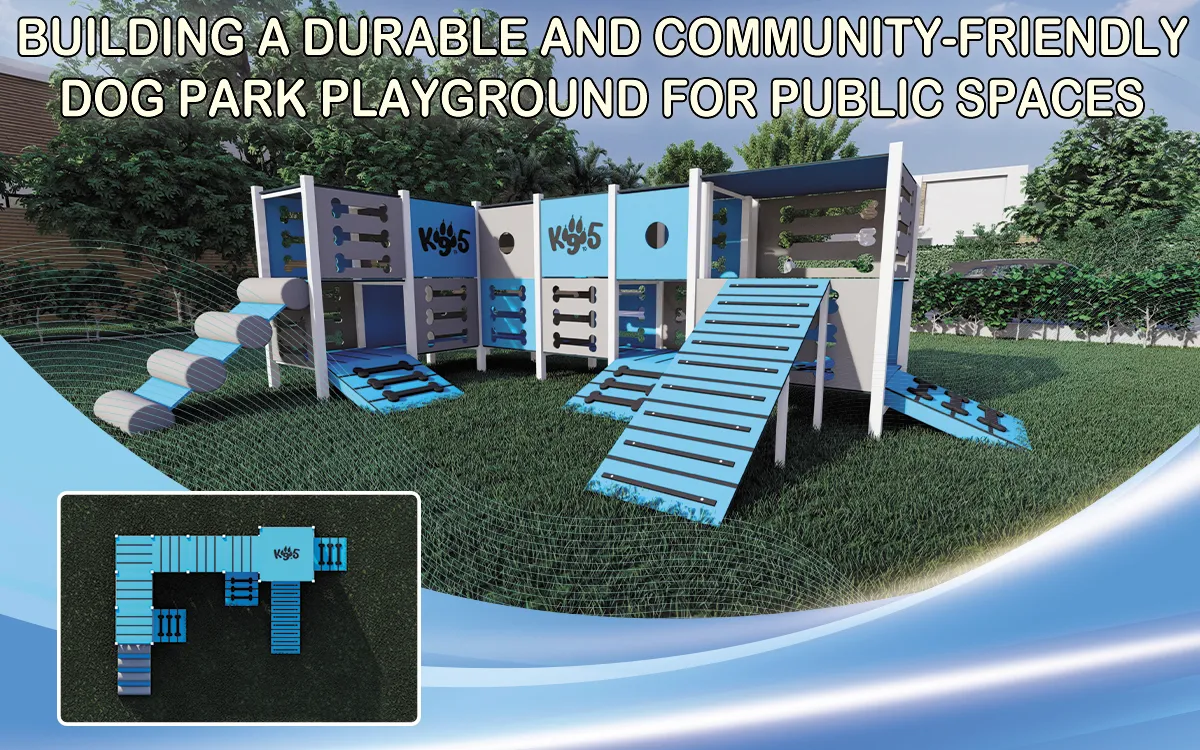
Building A Durable And Community-Friendly Dog Park Playground For Public Spaces
Many public spaces lack structured areas for pets, leading to unsafe play and frequent conflicts. Poor planning increases risks and reduces community satisfaction. A well-designed dog park playground offers a strong solution for safe, shared use.
A public-friendly dog park playground must follow safety standards, use durable materials, and provide inclusive layouts. By applying design ideas used in a dog backyard playground and combining them with strong dog playground equipment backyard manufacturing, communities can create long-lasting environments for pets and owners.
The following points explain how to build a professional and efficient project.
What safety standards should a dog park playground meet for public use?
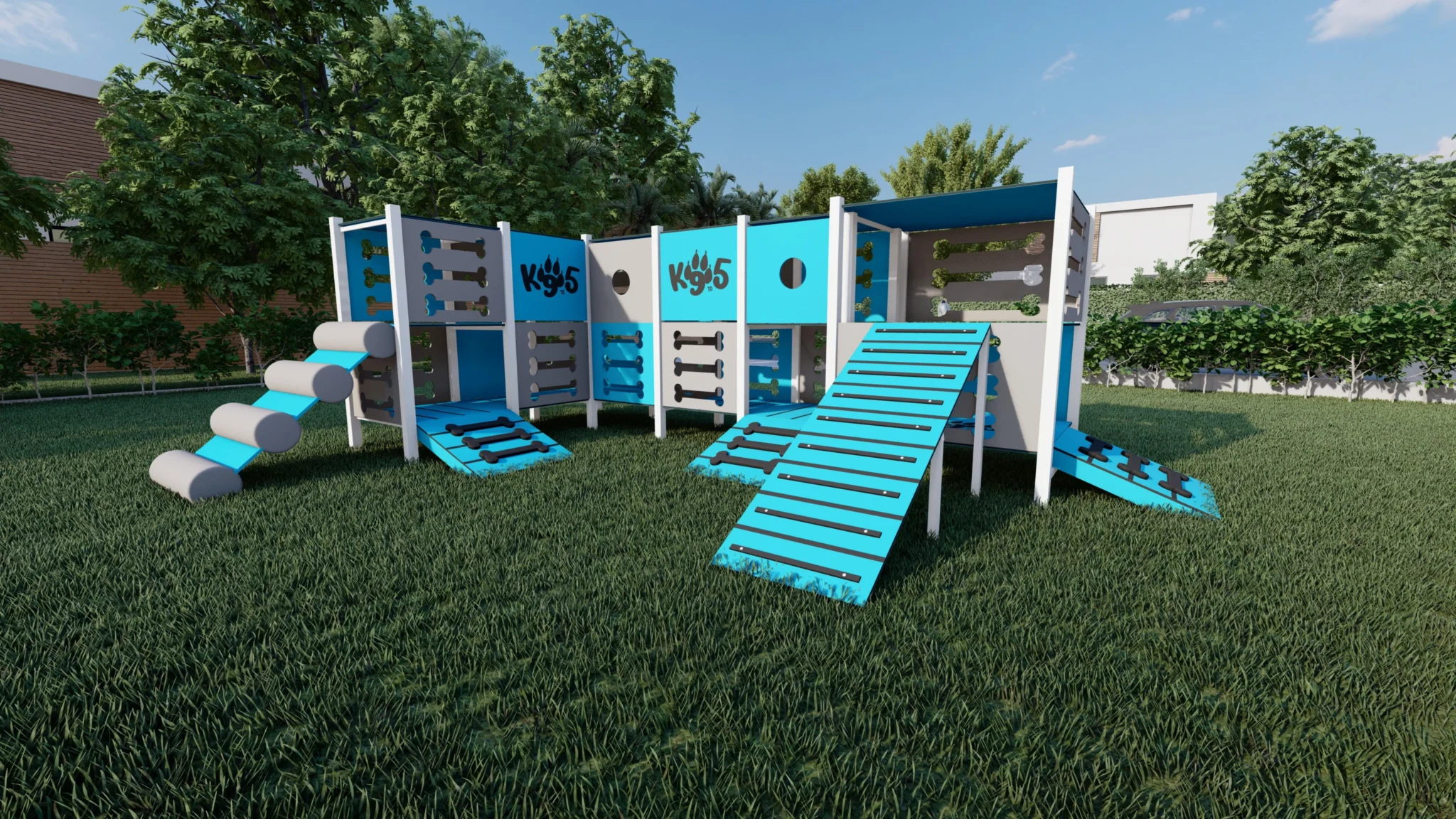
A public dog park playground must meet stricter safety requirements compared to a private dog backyard playground because it is used by pets of different sizes, temperaments, and activity levels. Safety standards typically include non-toxic materials, rounded edges, anti-slip surfaces, and reinforced structures capable of withstanding frequent public use. These guidelines help reduce risks such as injuries, falls, or aggressive interactions during play.
Fencing height, gate systems, and controlled entry points must support smooth traffic flow while preventing escapes. Many communities adopt guidelines that separate high-energy zones from calmer areas, which is also a principle used when arranging dog playground equipment backyard in private spaces. Additional safety considerations include drainage planning, shade protection, and secure anchoring systems to handle outdoor weather. Professional suppliers with factory expertise ensure that each component meets international benchmarks for public installations. Communities benefit from safer user experiences and reduced liability risks when these standards are properly implemented.
How does factory-level quality control improve a dog park playground?
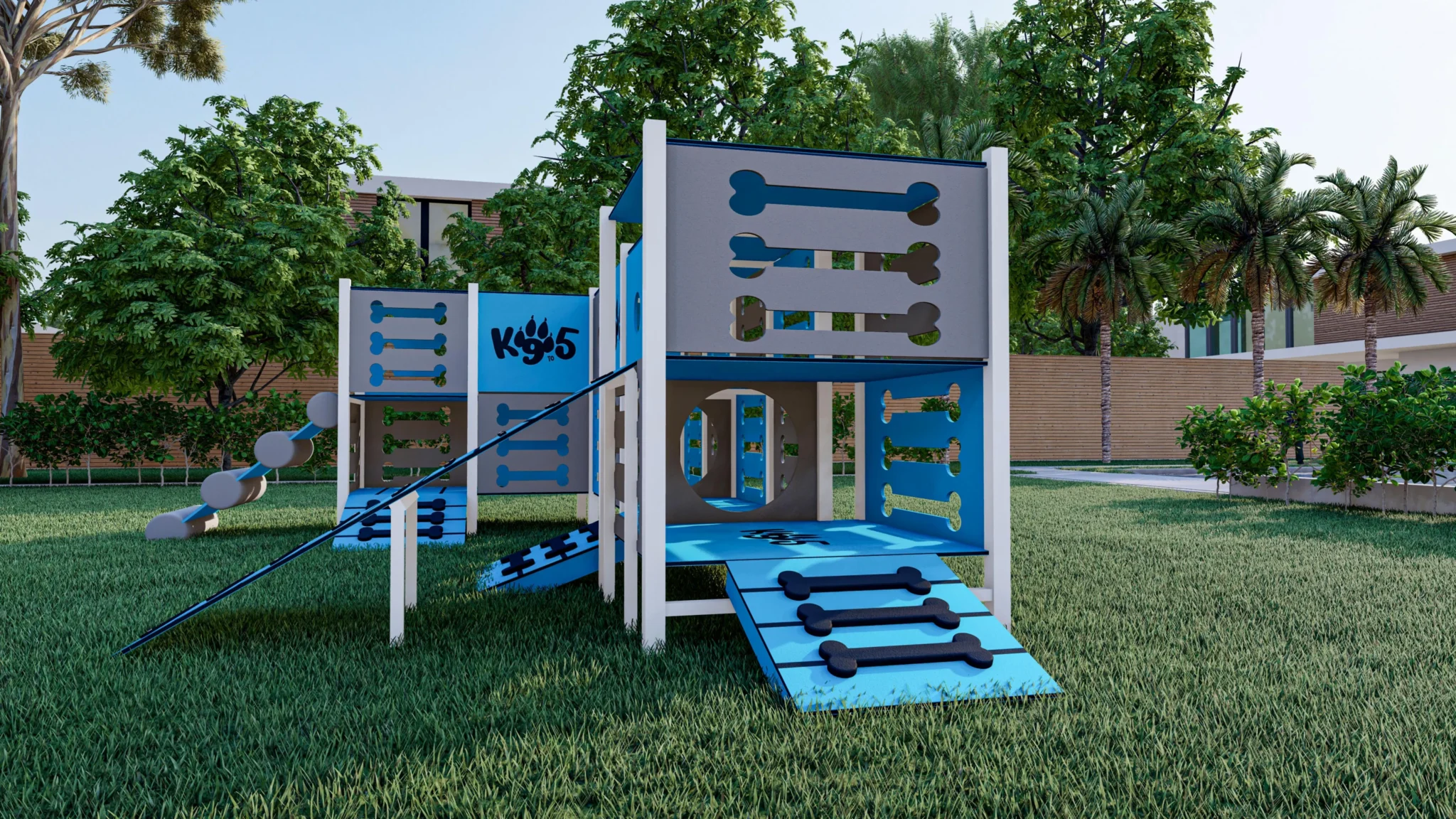
Factory-controlled production significantly improves the overall reliability of a dog park playground. When components are created using automated cutting, robotic welding, rotational molding, and industrial finishing processes, the consistency and durability far exceed typical residential dog backyard playground products. This enhanced quality is especially important for public spaces where heavy usage occurs daily.
Manufacturers with strong equipment and engineering capability test dog playground equipment backyard modules for weight load, impact resistance, UV stability, and corrosion prevention. Factory teams verify measurements, inspect weld points, and assess coating quality before shipment. Such systematic quality control ensures that every part performs as expected in demanding environments. Communities gain long-term value because properly manufactured equipment requires fewer replacements and repairs. Experienced suppliers also maintain technical documentation and testing records, which support project approval processes and safety certification.
What design options help a dog park playground accommodate multiple dogs at once?
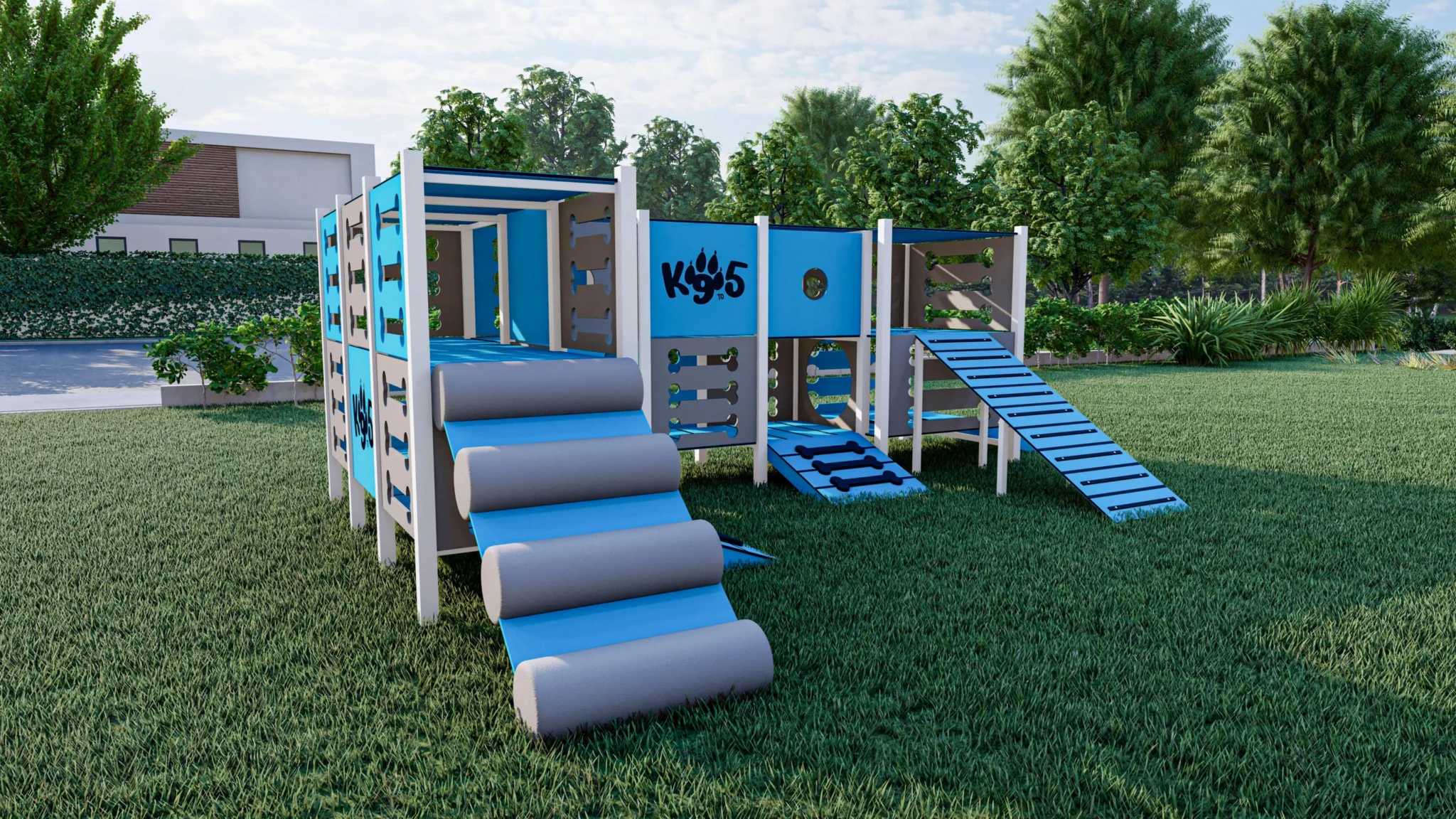
A successful dog park playground must function smoothly when many pets arrive at the same time. Thoughtful zoning is essential. High-energy dogs need open running paths, while more cautious pets require smaller activity modules similar to those found in a dog backyard playground, where interactions can be controlled. The design should distribute activity across multiple play stations to prevent crowding.
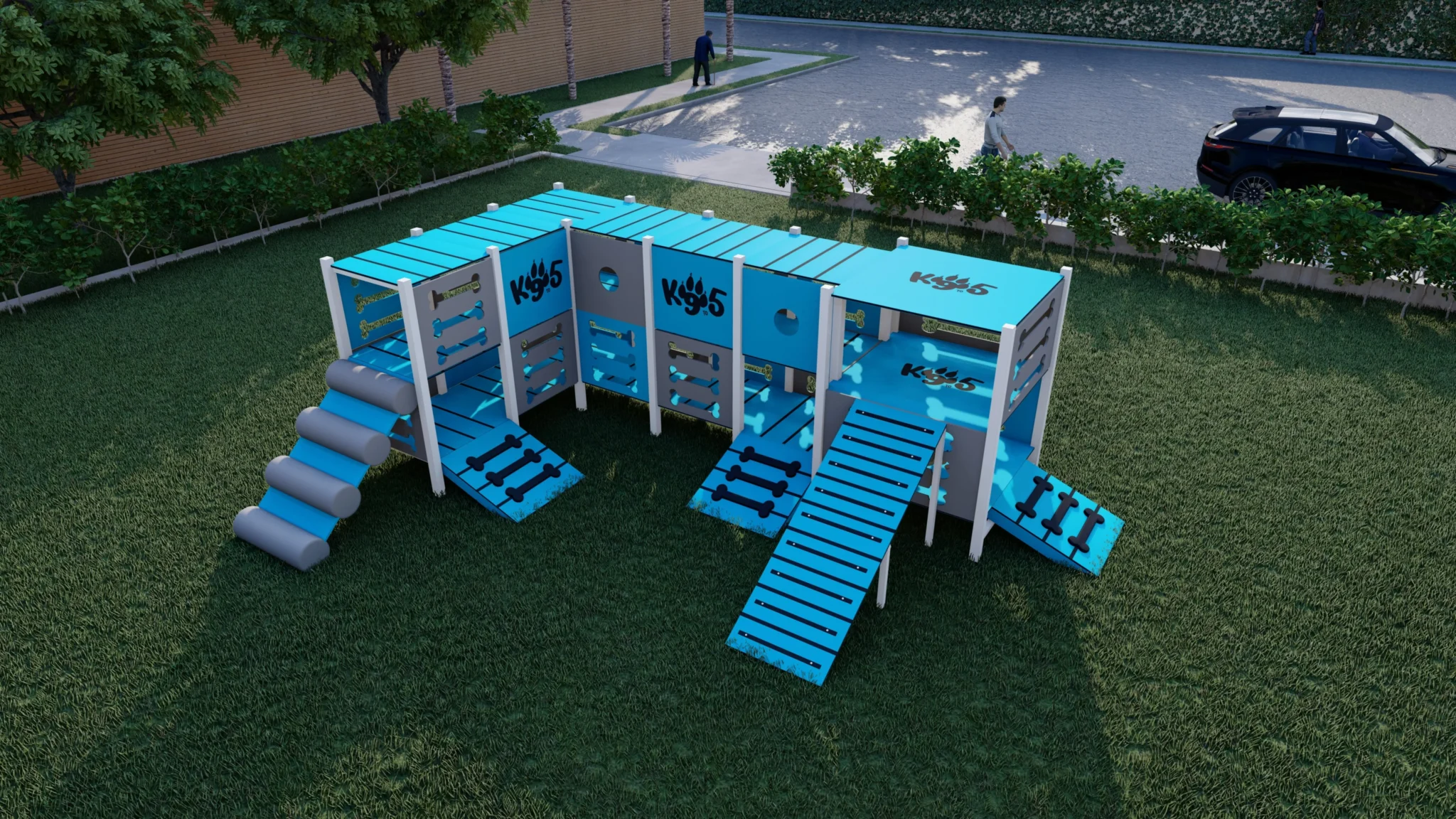
Popular dog playground equipment backyard components adapted for public use include climbing ramps, tunnels, jump hoops, agility bridges, and interactive scent panels. These modules must be spaced properly to ensure safe circulation. Multifunctional structures allow multiple pets to engage simultaneously without conflict. Incorporating both active zones and rest zones reduces stress and promotes better social behavior. Experienced designers evaluate typical user volume, terrain shape, and community needs to create layouts that support all dogs. When properly designed, the playground encourages socialization and reduces behavioral tension.
How can maintenance plans extend the lifespan of a dog park playground?
Maintenance planning is essential for preserving the long-term performance of a dog park playground. Public equipment is exposed to constant use, weather conditions, and occasional misuse, making structured care unavoidable. Weekly inspections should check surface wear, fastener stability, and coating condition. These routines, similar to those recommended for maintaining a dog backyard playground, help detect issues before they worsen.
Using high-quality dog playground equipment backyard modules simplifies upkeep because durable materials resist fading, cracking, and corrosion. Proper cleaning methods prevent buildup of dirt or bacteria, ensuring a healthy environment for pets. Many professional manufacturers offer maintenance manuals, replacement parts, and long-term service support. Partnering with an experienced factory ensures access to expert advice and fast solutions whenever upgrades or repairs are needed. With regular maintenance, the playground remains safe, attractive, and fully functional for years.
How does project planning shorten construction time for a dog park playground?
Effective planning is one of the most important steps in building a public dog park playground. Pre-design surveys evaluate soil conditions, drainage, access points, and surrounding community flow. This reduces unexpected delays. Detailed planning also applies to a dog backyard playground, but public spaces require broader coordination with city departments, property managers, or community groups.
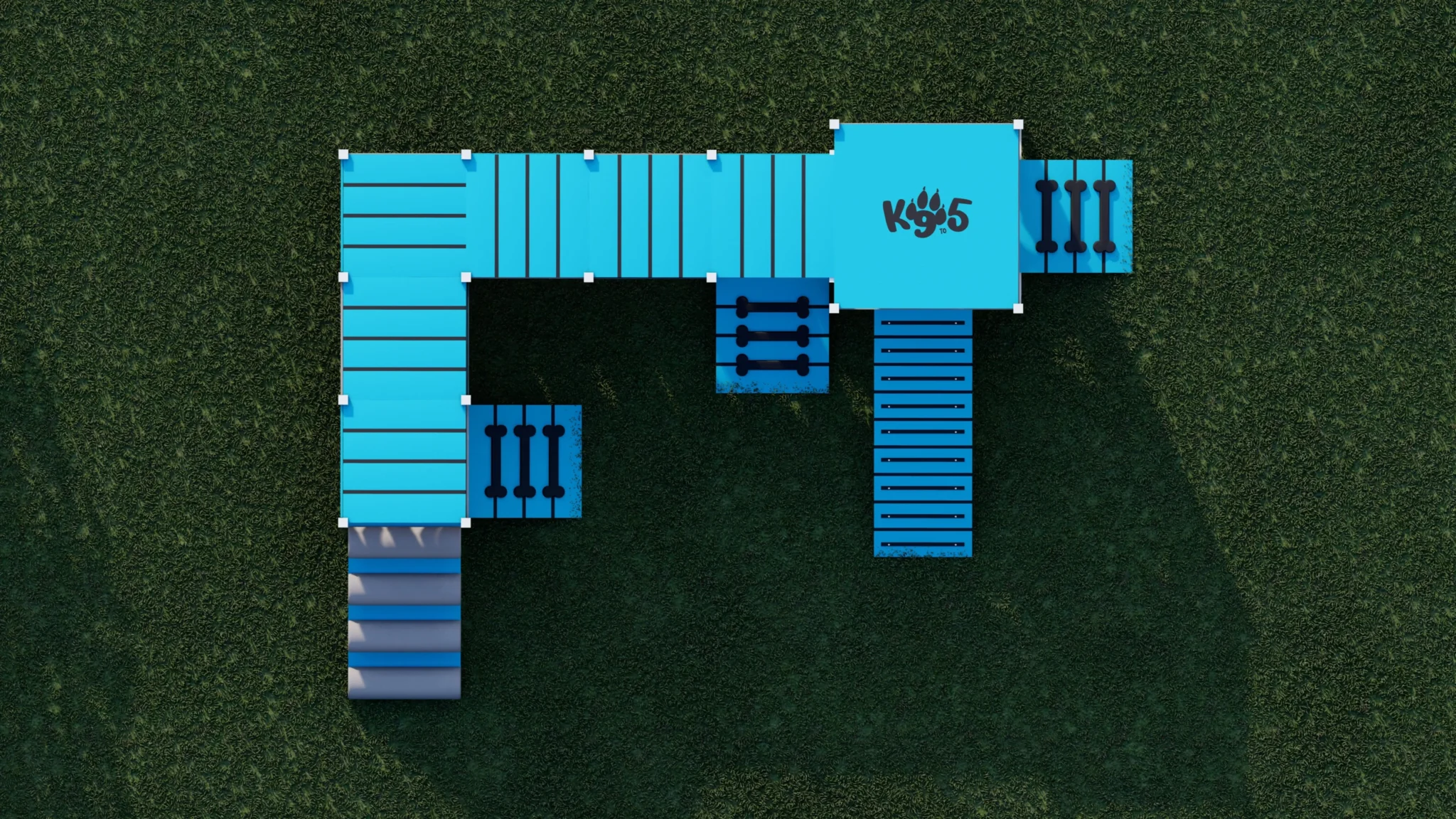
When working with professional suppliers, pre-fabricated dog playground equipment backyard components can be produced in advance, reducing on-site installation time. Factories with strong production capacity handle large orders quickly, ensuring predictable timelines. Clear project scheduling determines delivery dates, preparation phases, and installation milestones. With experienced teams guiding the process, communities receive a faster, smoother construction period. This ensures the playground opens sooner, benefiting residents and pets without extended disruption.


 English
  Español
  Français
  Deutsch
  Português