


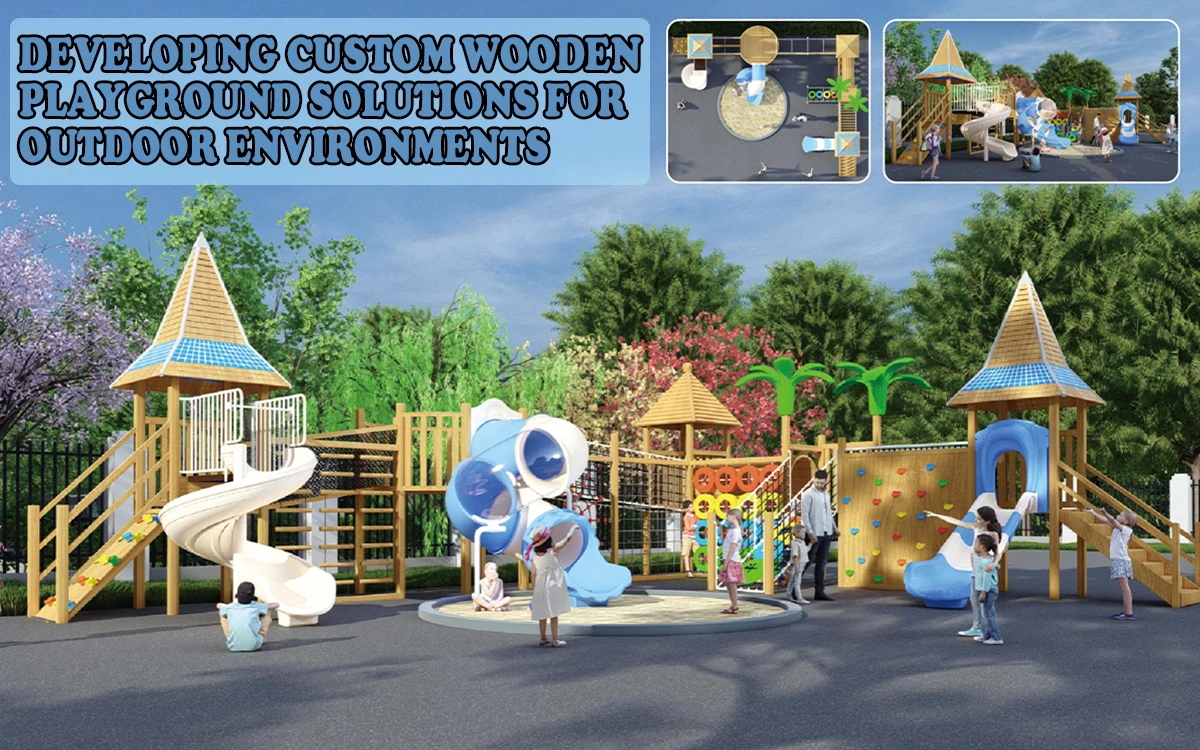
Developing Custom Wooden Playground Solutions For Outdoor Environments
Poorly planned wooden playground equipment often struggles in outdoor conditions, leading to fast wear, limited usability, and difficult upgrades. These issues can shorten the lifespan of an outdoor wooden playground and increase long-term operational pressure. A well-developed custom wooden playground offers a practical solution by integrating smart design, climate-appropriate materials, and scalable production planning.
Developing a successful custom wooden playground for outdoor environments requires thoughtful space optimization, cohesive design processes, climate-aware material choices, realistic production timelines, and manufacturer support for future growth. When planned correctly, both commercial wooden playground and outdoor wooden playground projects can achieve long-term stability and visual harmony.
Understanding how these factors work together helps buyers make confident decisions before committing to a large-scale playground investment.
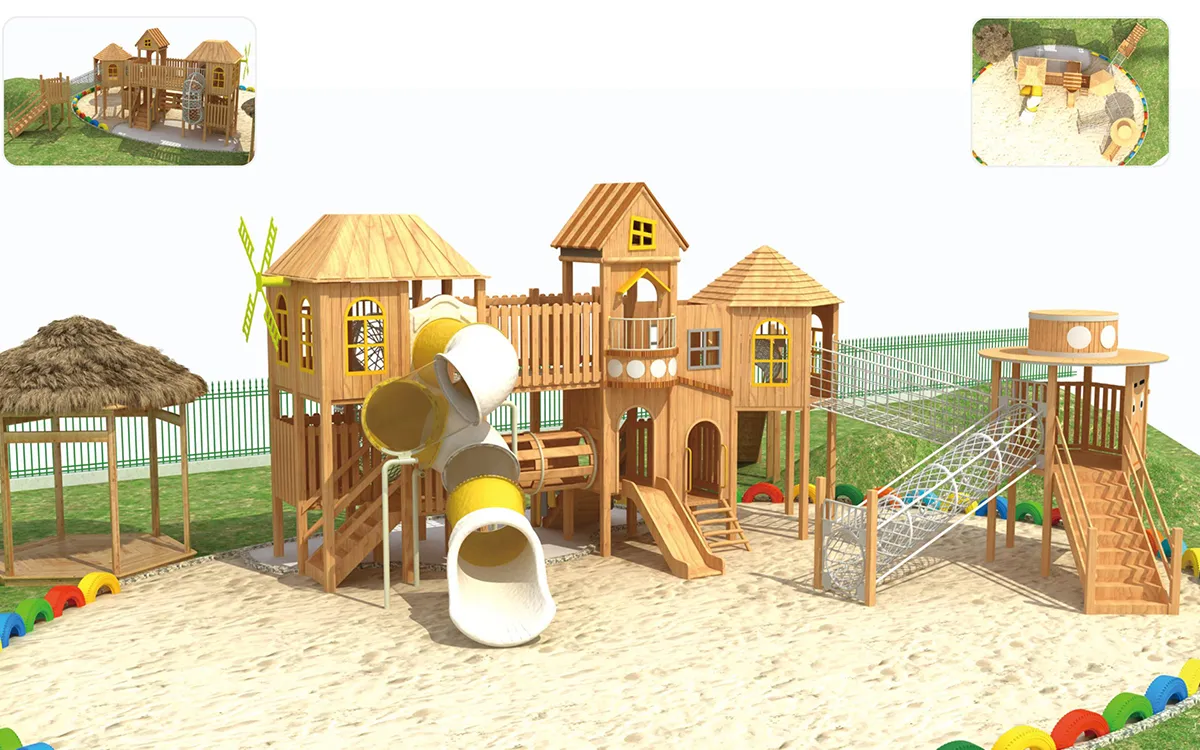
How can a custom wooden playground be tailored for an outdoor wooden playground setting with limited space?
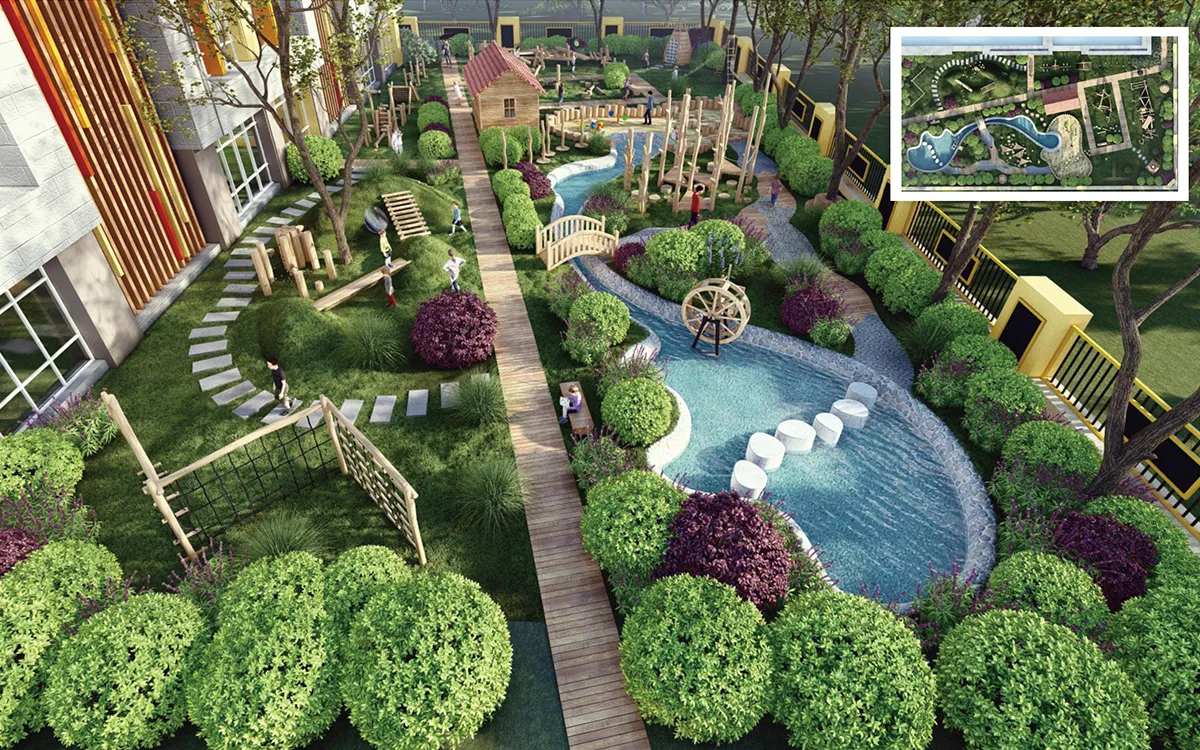
Limited space is one of the most common challenges when planning a custom wooden playground, especially in urban parks, schools, or mixed-use developments. Smart layout planning allows wooden playground equipment to maximize vertical space through multi-level platforms, compact climbing elements, and integrated play functions. In an outdoor wooden playground, modular structures help combine slides, bridges, and activity panels within a small footprint. A commercial wooden playground often benefits from zoning strategies that separate age groups without expanding the overall area. By customizing dimensions, heights, and circulation paths, a custom wooden playground transforms limited space into a safe, engaging, and efficient outdoor play environment.
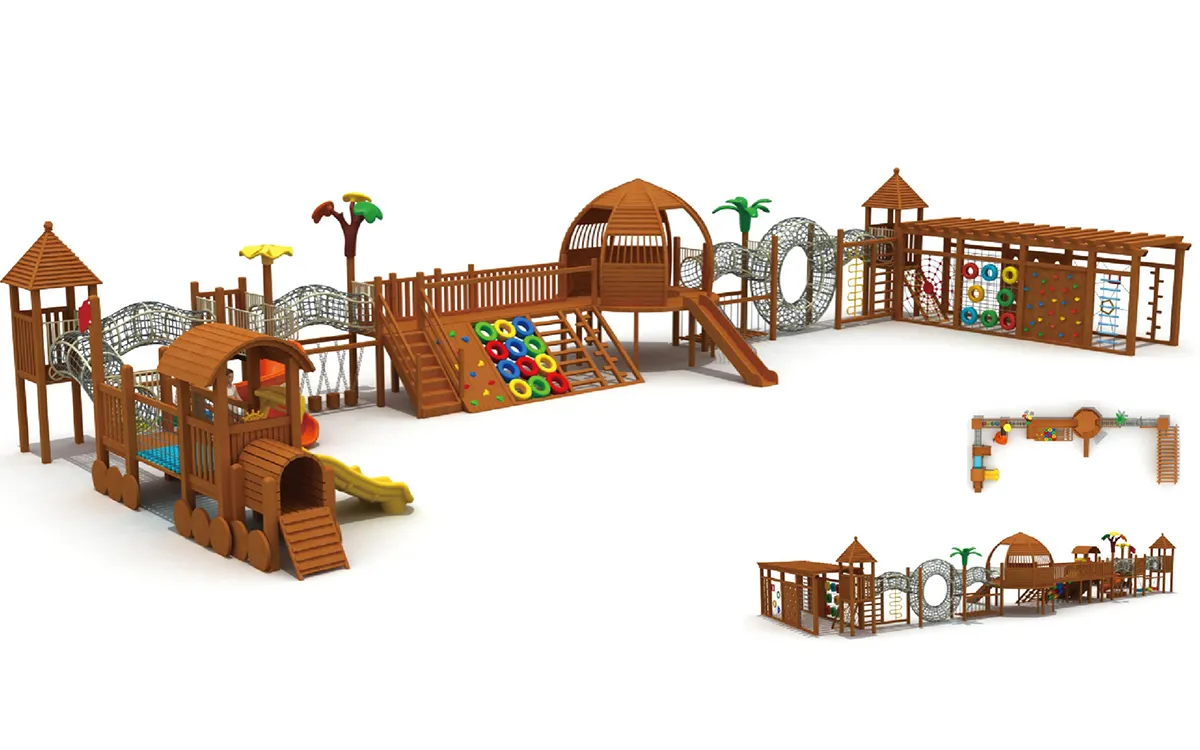
What design process helps align a custom wooden playground with landscape and architectural themes?
A structured design process ensures a custom wooden playground blends naturally with its surroundings. Designers typically begin with site analysis, reviewing terrain, vegetation, nearby buildings, and pedestrian flow. This information guides the form and color selection of wooden playground equipment to complement the landscape. In an outdoor wooden playground, natural wood tones, organic shapes, and low-profile structures often enhance visual integration. For a commercial wooden playground, branding elements and architectural lines can be subtly reflected in the playground layout. Through concept sketches, 3D visualizations, and iterative feedback, the custom wooden playground evolves into a cohesive part of the overall environment.
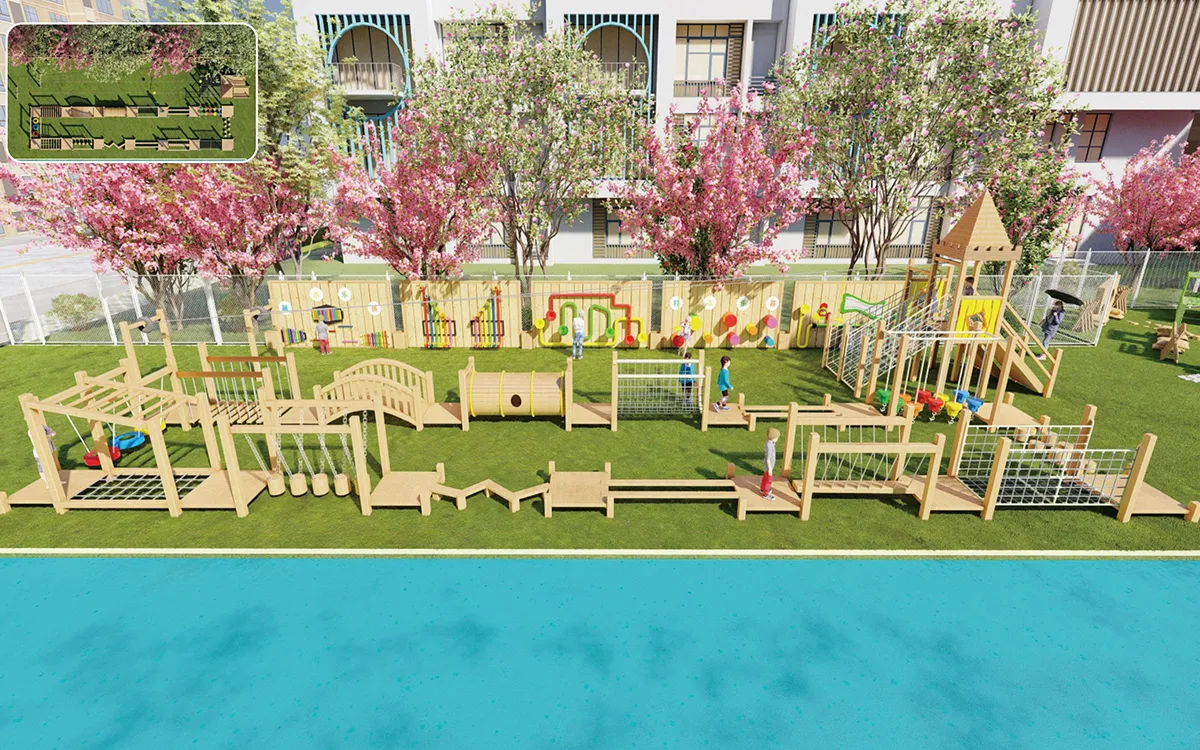
How does climate influence material selection for an outdoor wooden playground?
Climate conditions play a critical role in selecting materials for an outdoor wooden playground. Regions with high humidity require treated timber that resists moisture absorption and decay, ensuring wooden playground equipment remains structurally sound. In areas with strong sunlight, UV-resistant finishes help prevent cracking and color fading in a custom wooden playground. Cold climates demand materials that tolerate temperature fluctuations without splitting or loosening connections. A commercial wooden playground exposed to diverse weather conditions benefits from corrosion-resistant fasteners and reinforced joints. By matching materials to climate realities, wooden playground equipment delivers reliable performance across seasons.
What production lead time should clients expect for a custom wooden playground project?
Production lead time depends on project complexity, customization level, and factory capacity. A standard custom wooden playground typically follows a structured timeline that includes design confirmation, material preparation, manufacturing, and pre-shipment inspection. Experienced manufacturers streamline this process by using standardized components within customized layouts, reducing delays for wooden playground equipment. For larger commercial wooden playground projects, phased production helps align delivery with site readiness. Clear scheduling and communication allow buyers to plan installation confidently. When production is managed professionally, an outdoor wooden playground arrives on schedule without compromising quality.
How do professional manufacturers support future expansion of an outdoor wooden playground?
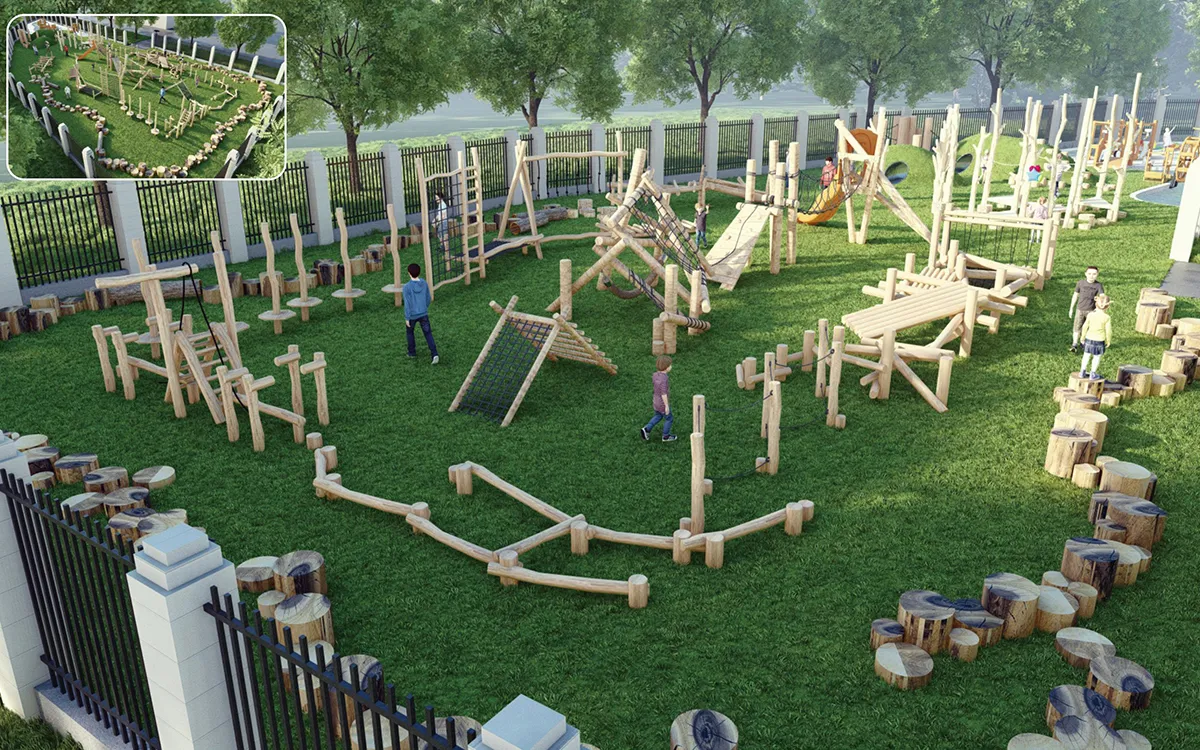
Long-term flexibility is essential for growing communities and evolving play needs. Professional manufacturers design custom wooden playground systems with modular expansion in mind. This allows additional wooden playground equipment to be added without dismantling existing structures. For an outdoor wooden playground, consistent material specifications and connection standards ensure new elements integrate seamlessly. A commercial wooden playground may expand in phases as visitor demand increases. Manufacturers also provide documentation, layout references, and component compatibility guidance, making future upgrades straightforward. This forward-thinking approach protects the long-term value of custom wooden playground investments.
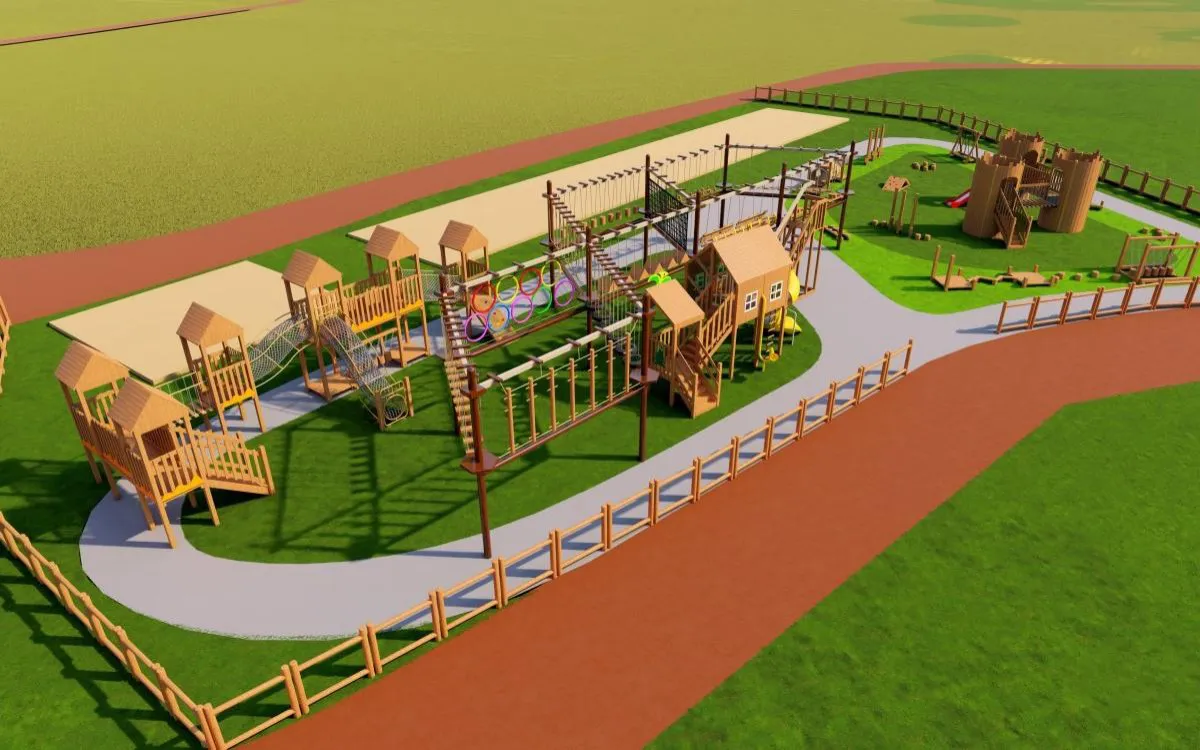
A well-developed custom wooden playground combines space efficiency, design harmony, climate resilience, and scalability to create outdoor environments that perform reliably for years.


 English
  Español
  Français
  Deutsch
  Português