


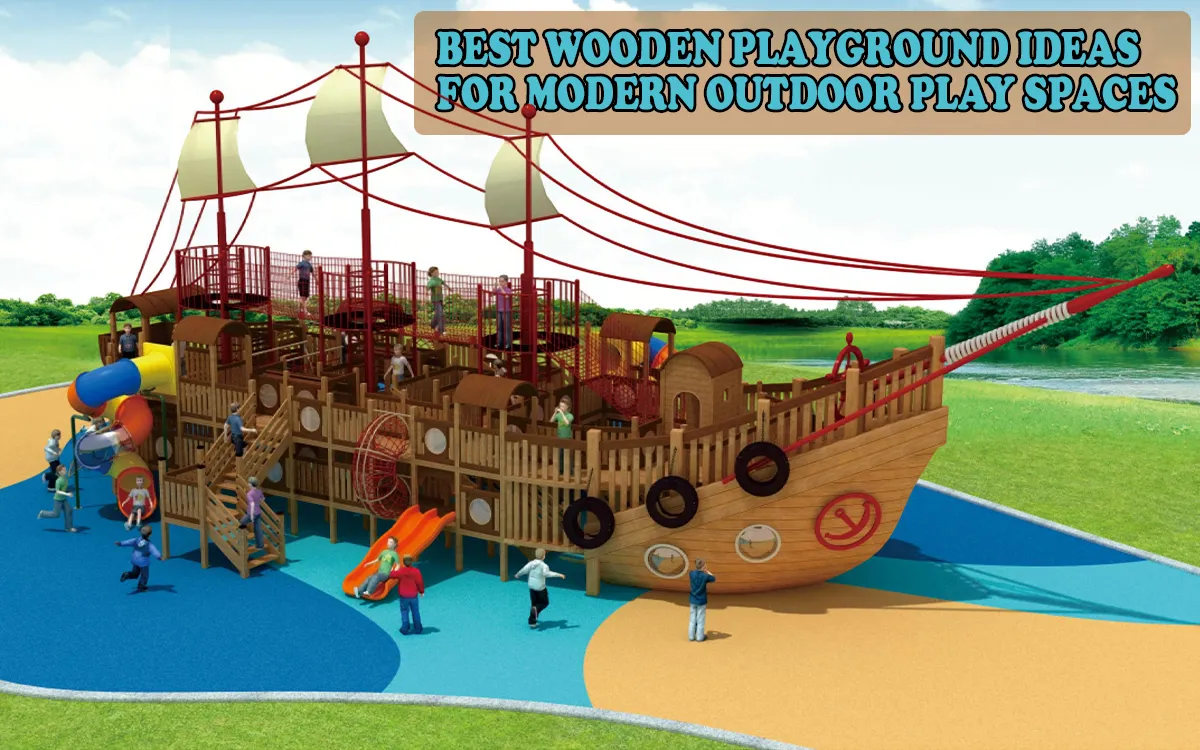
Best Wooden Playground Ideas For Modern Outdoor Play Spaces
Many schools and public parks struggle with outdated play areas that fail to engage children or withstand outdoor conditions. Poor planning leads to safety risks, fast deterioration, and wasted investment. The solution lies in selecting best wooden playground ideas that combine creativity, durability, and professional design.
The best wooden playground ideas focus on safe materials, age-appropriate structures, and flexible layouts that support long-term outdoor use while encouraging physical and imaginative play.
Choosing the right concept is not just about appearance. It involves understanding user needs, space limitations, and how to build a wooden playground that performs well over time.
Below, we explore how modern wooden playground planning answers these challenges and why thoughtful design makes a measurable difference.
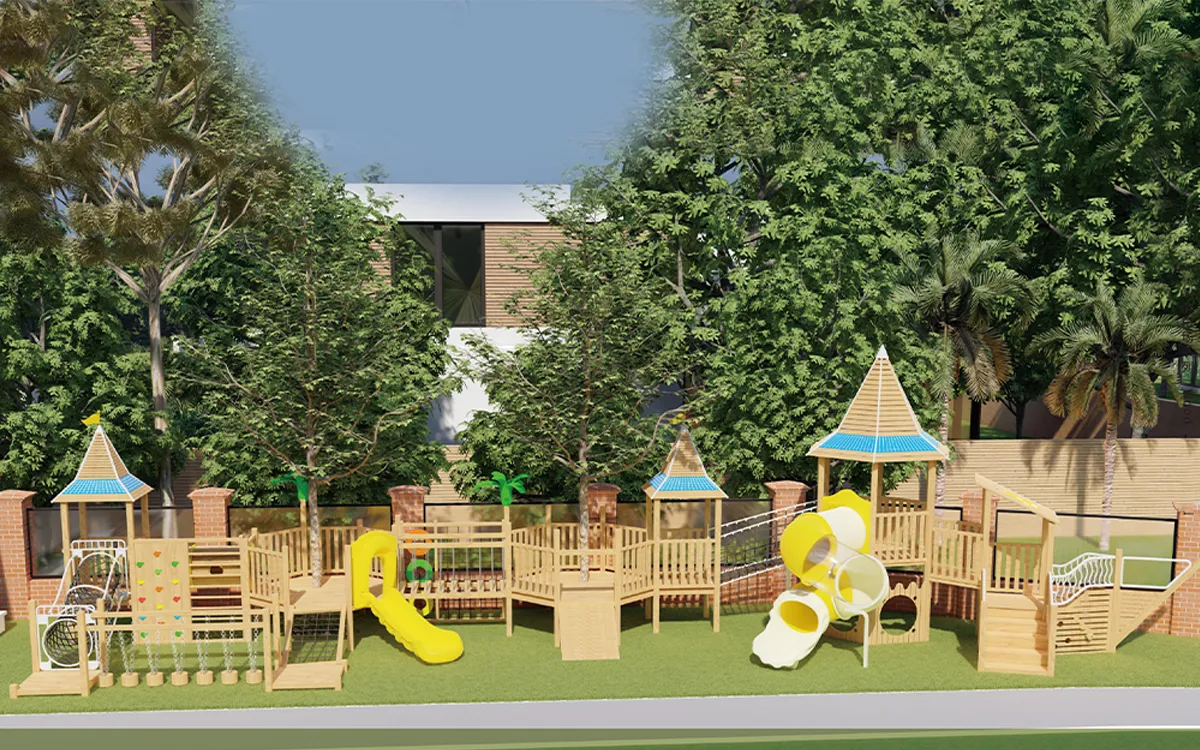
What features are most important when selecting best wooden playground ideas for schools and public parks?
When evaluating best wooden playground ideas for schools and public parks, safety and functionality come first. A well-designed wooden playground must meet recognized safety expectations while encouraging children to move, explore, and interact. Rounded edges, stable foundations, and anti-slip surfaces are essential elements that protect children during active play.
Versatility is equally important. Effective best wooden playground ideas include climbing structures, balance activities, slides, and imaginative play components. This variety supports physical development, coordination, and social interaction. Schools and public spaces often prefer modular wooden playground layouts that allow multiple age groups to use the same area efficiently.
Durability is another deciding factor. Public environments demand materials that resist weather and heavy use. Understanding how to build a wooden playground with treated timber and reinforced joints reduces maintenance needs and ensures long-term value.
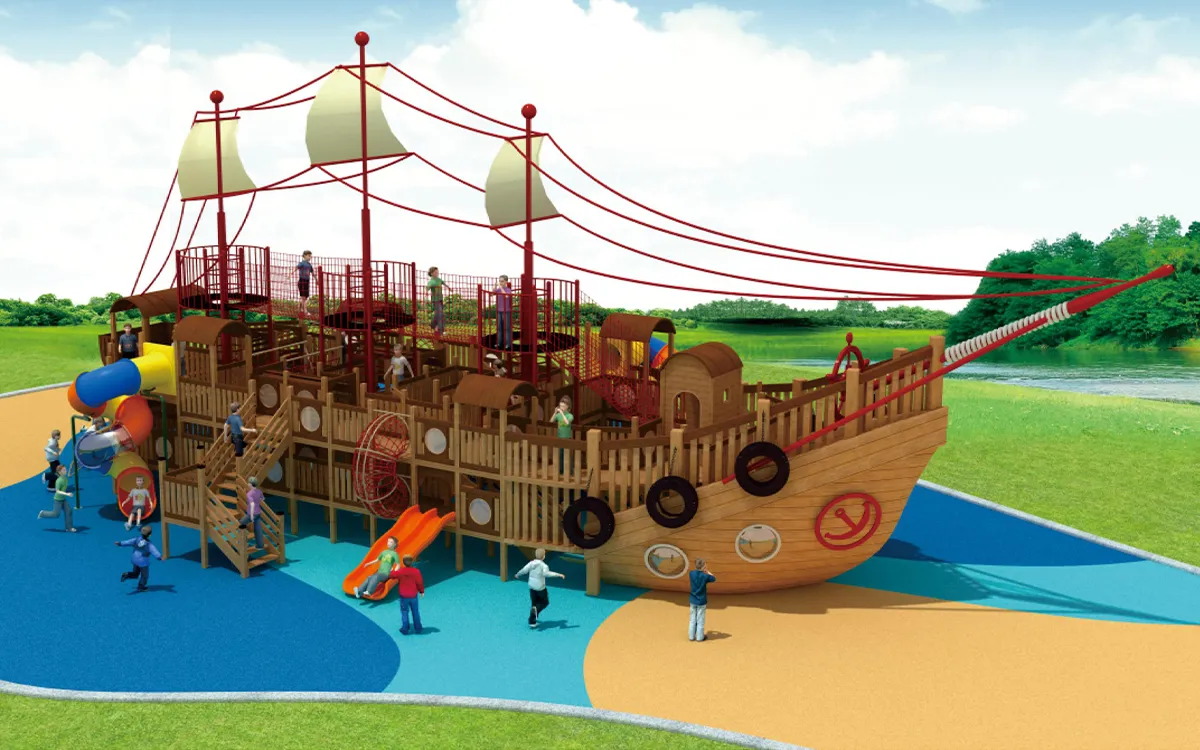
How do best wooden playground ideas balance creative play with long-term durability?
Balancing imagination with strength defines high-quality best wooden playground ideas. Children are drawn to themed structures and open-ended play, while operators require durability and reliability.
Modern wooden playground designs achieve this balance through engineered construction hidden beneath natural aesthetics. Timber structures are reinforced internally, allowing creative forms without compromising safety. Rope bridges, towers, and role-play elements become part of a stable framework rather than decorative extras.
Knowing how to build a wooden playground correctly involves protective coatings, weather-resistant fasteners, and controlled production processes. As a result, the playground delivers imaginative experiences while remaining dependable for years of outdoor use.
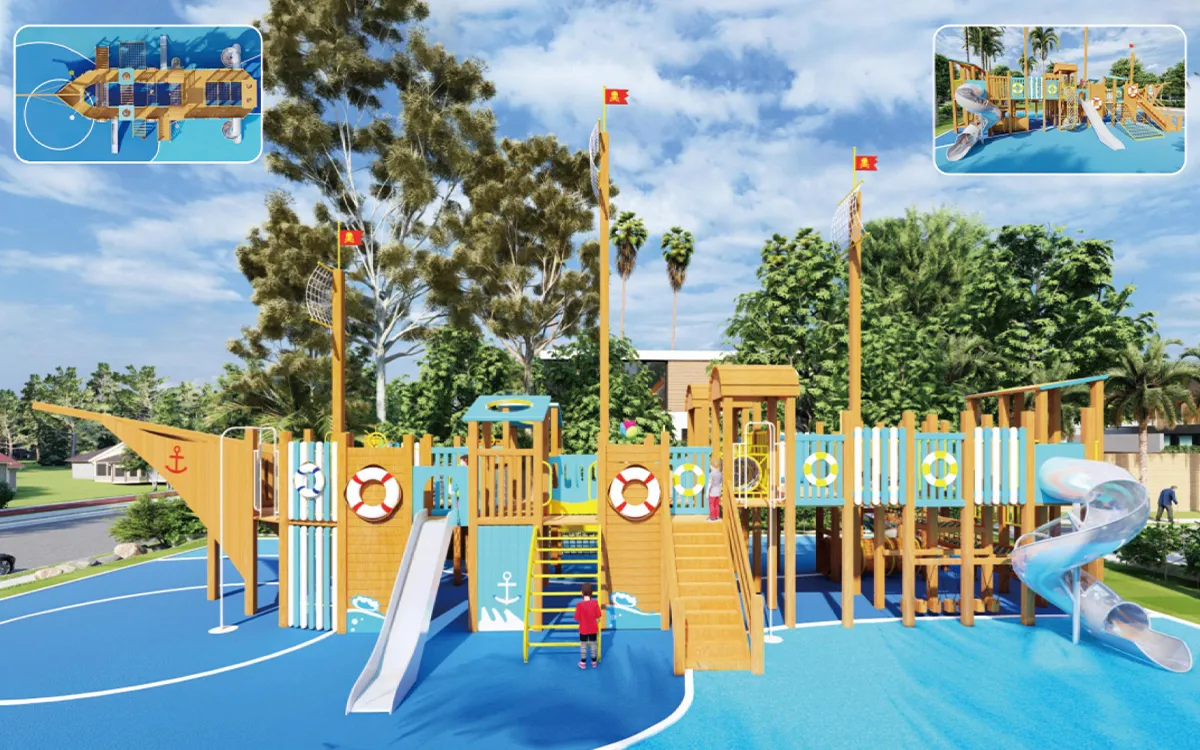
Which age groups benefit most from thoughtfully planned best wooden playground ideas?
Well-executed best wooden playground ideas serve multiple age groups through smart zoning and structure selection. Younger children benefit from low platforms, gentle slides, and sensory elements that build confidence and coordination.
School-age children gain more from complex climbing challenges, balance routes, and cooperative play areas. A professionally designed wooden playground supports progression, allowing children to develop new skills as they grow.
In public parks, mixed-age environments are common. Dividing the playground into zones ensures safety and inclusion, maximizing usage and extending the relevance of the best wooden playground ideas across different age ranges.
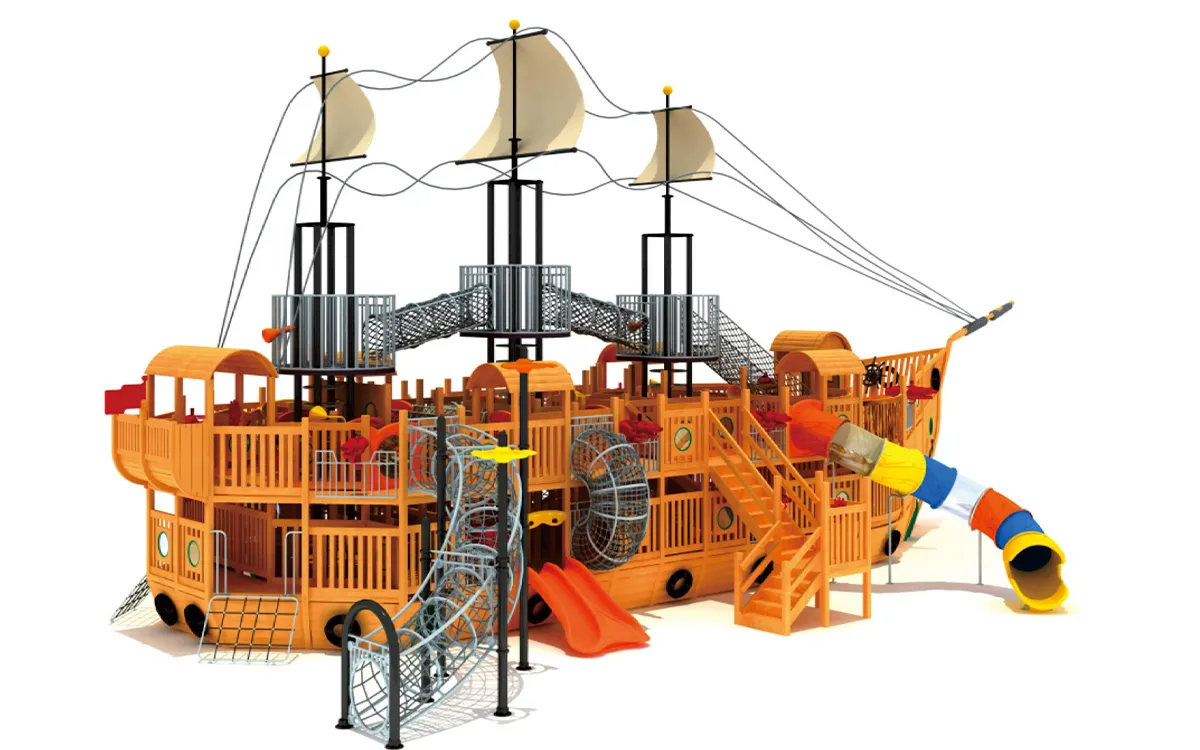
How can best wooden playground ideas be adapted for limited outdoor spaces or urban environments?
Space constraints do not limit creativity when using best wooden playground ideas. Vertical design allows multiple activities within a compact footprint. Multi-level platforms and integrated climbing systems transform small areas into engaging wooden playground environments.
Multifunctional equipment further enhances space efficiency. One structure can support climbing, sliding, and imaginative play simultaneously. When planners understand how to build a wooden playground for urban settings, circulation paths and sightlines are optimized to prevent congestion.
Even in tight locations, a carefully planned wooden playground delivers rich play value while fitting seamlessly into schools, residential developments, or city parks.
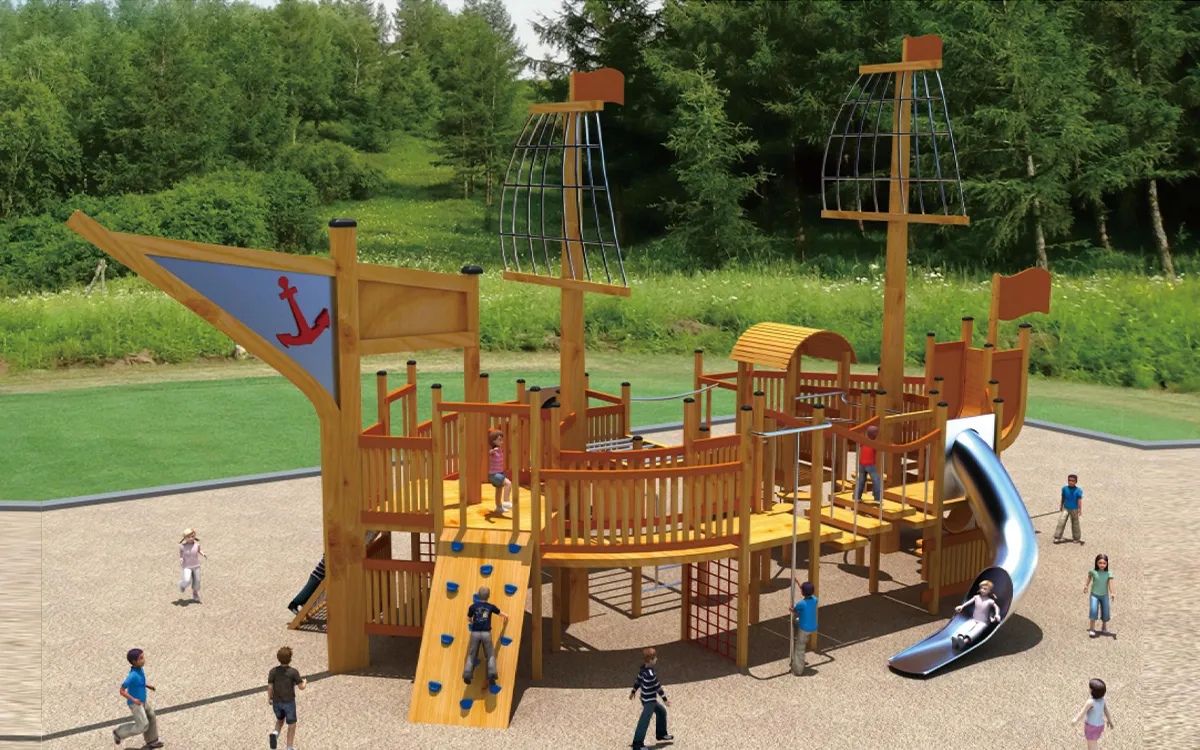
What design trends are shaping the future of best wooden playground ideas worldwide?
Current trends in best wooden playground ideas emphasize sustainability, inclusivity, and natural integration. Communities increasingly prefer wooden playground designs that blend with landscapes rather than dominate them.
Inclusive play is another major focus. Ramps, ground-level activities, and cooperative features ensure children of different abilities can play together. This approach reflects modern expectations for accessible outdoor spaces.
Modular expansion is also shaping how professionals think about how to build a wooden playground. Future-ready systems allow additions as needs grow, making experienced manufacturers valuable long-term partners.
Conclusion
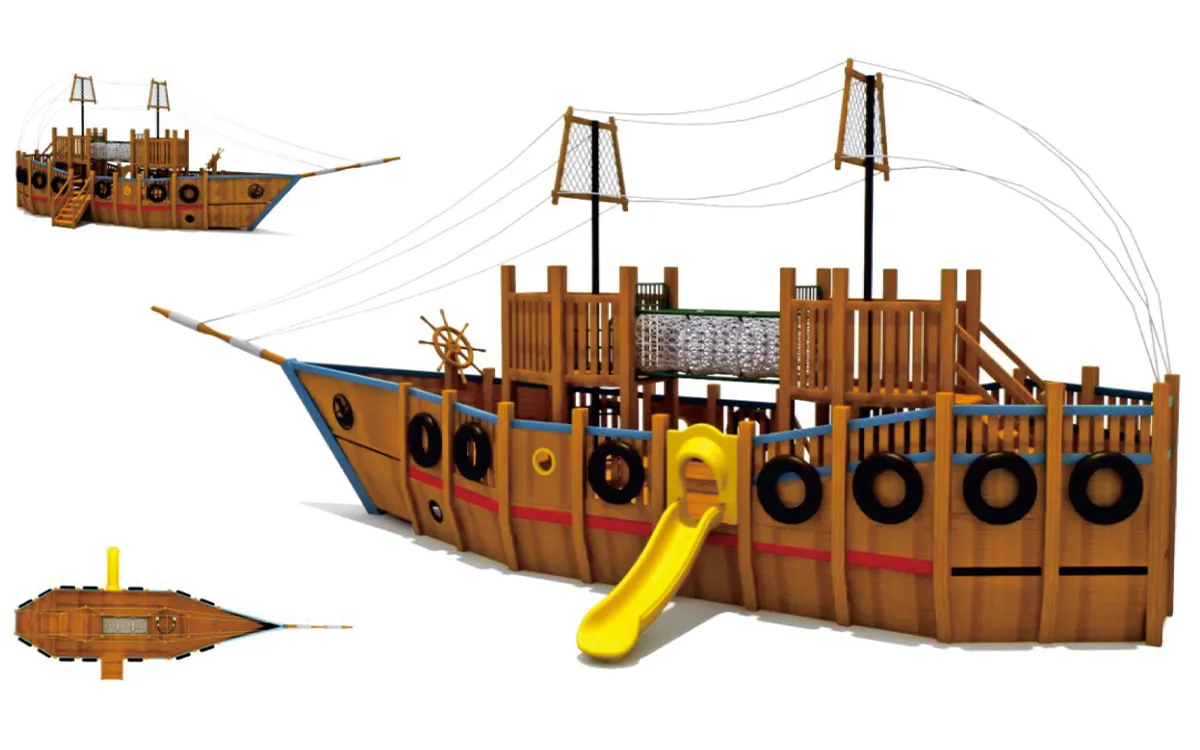
The most successful best wooden playground ideas combine safety, creativity, adaptability, and professional execution. When communities understand how to build a wooden playground with a long-term vision, they create outdoor spaces that inspire play, withstand time, and serve diverse users.
A well-designed wooden playground is more than equipment—it is a lasting investment in healthier, more engaging outdoor environments.


 English
  Español
  Français
  Deutsch
  Português