


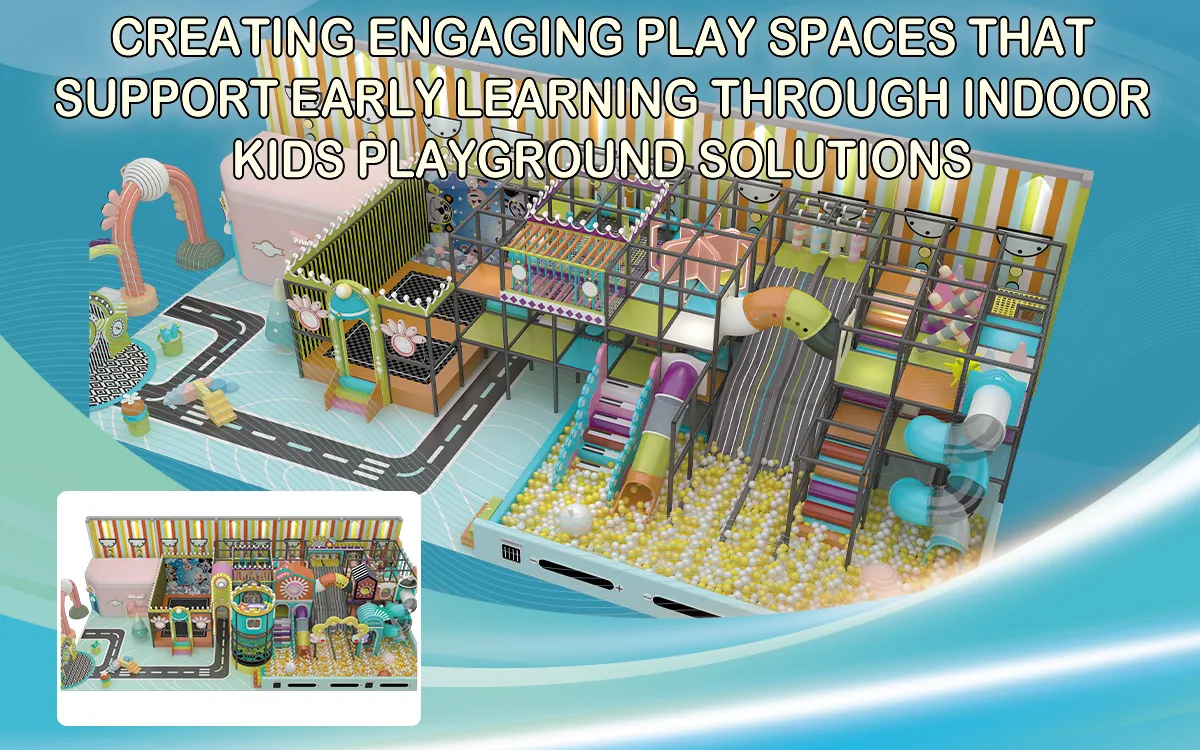
Creating Engaging Play Spaces That Support Early Learning Through Indoor Kids Playground Solutions
Many early-learning facilities lack stimulating spaces, limiting children’s development and affecting family satisfaction. Without high-quality designs, a indoor kids playground cannot fully support learning objectives. Purpose-built solutions help schools and commercial venues improve outcomes.
A well-planned indoor kids playground enhances physical, emotional, and cognitive growth by integrating structured activity zones, safe materials, thoughtful layouts, and parent-friendly features across indoor playgrounds and playground indoor environments.
These concepts lead into deeper insights that follow.
Strong design and manufacturing ensure effective learning-focused indoor playgrounds.
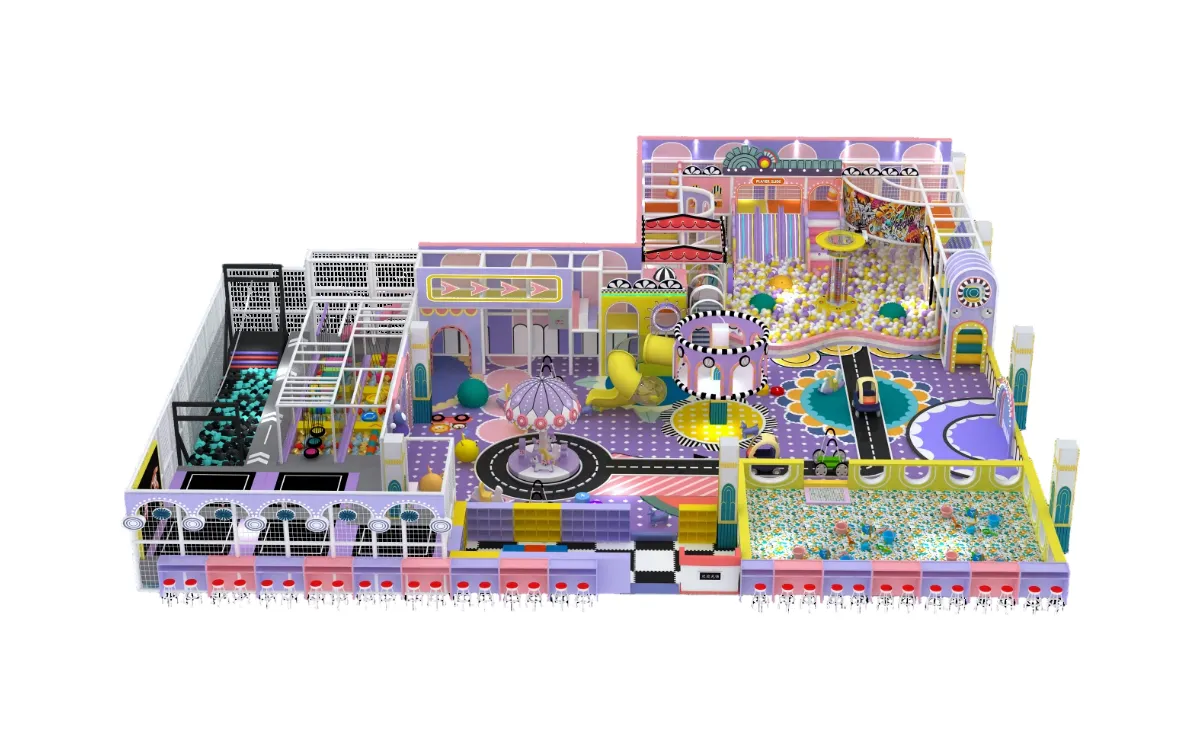
How do different activity zones inside an indoor kids playground support physical, emotional, and cognitive development?
A modern indoor kids playground is designed as an integrated developmental environment rather than a simple play area. Separate activity zones offer targeted benefits that support early childhood growth. Physical zones—such as climbing nets, bridges, tunnels, stepping pods, balance beams, and small slides—build gross motor skills, coordination, core strength, and body awareness. These experiences mirror real-world movement challenges in a safe playground indoor setting.
Emotional development occurs as children practice independence, risk assessment, cooperative play, and confidence-building. Social zones encourage teamwork and communication, while imaginative areas foster storytelling and role-play. Cognitive learning is promoted through puzzles, sensory textures, thematic labyrinths, and interactive play panels that stimulate problem-solving and creativity.
Facilities that utilize well-structured indoor playgrounds see improved behavior, engagement, and learning readiness. With extensive experience designing educational play environments, we tailor each project to meet developmental goals while supporting the operational needs of schools and commercial venues.
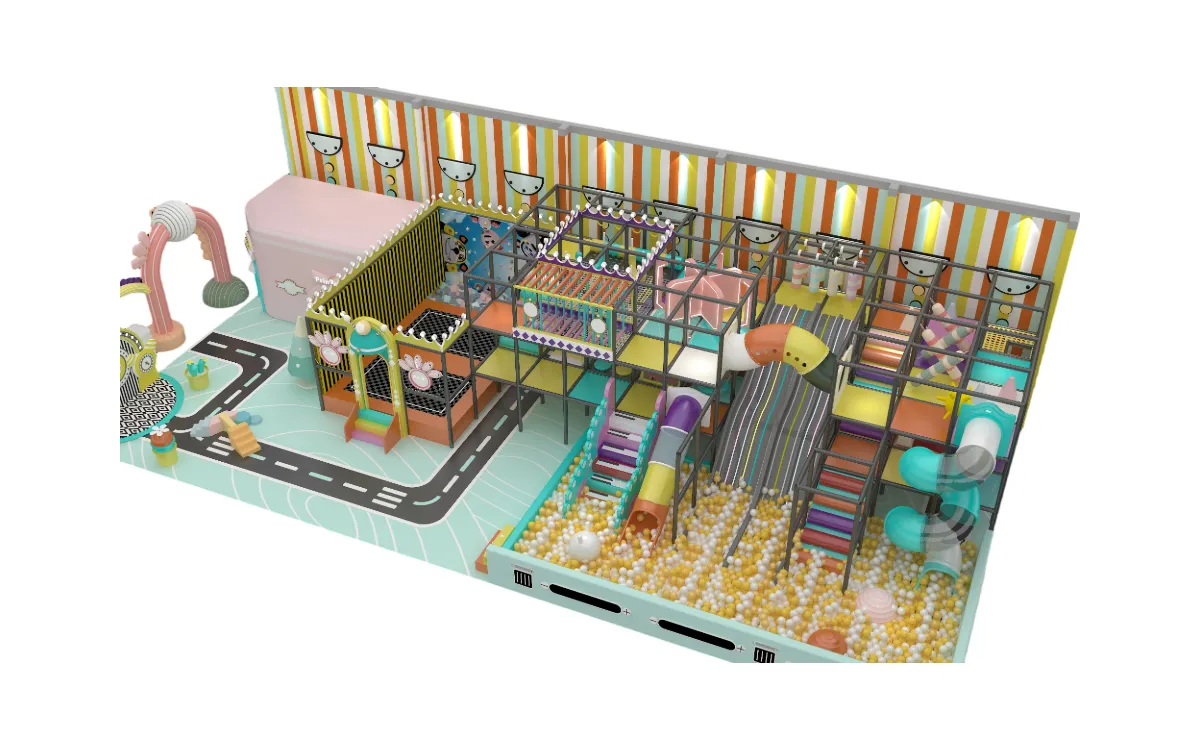
What materials and soft-impact components improve safety for toddlers in an indoor kids playground?
Toddlers require extra layers of protection within any indoor kids playground. Soft-impact foam, EVA mats, high-density padding, and rounded edges prevent collisions and reduce injury risks. Non-toxic, odor-free PVC surfaces ensure a hygienic environment suitable for young children. Anti-slip flooring and cushioned platforms maintain traction, especially for toddlers who are still learning balance.
Safety standards for indoor playgrounds include fire-resistant materials, UV-stable coatings, and reinforced structural supports. Transparent safety barriers and flexible netting are crucial in multi-level toddler designs. Soft climb elements encourage exploration without exposing children to sharp angles or hard-impact surfaces.
Our manufacturing process includes material testing, compression checks, tear-strength evaluation, and structural inspections. With strong factory capabilities, we deliver playground indoor equipment that meets international safety certifications and long-term durability expectations—supporting childcare centers and kindergartens that demand high reliability.
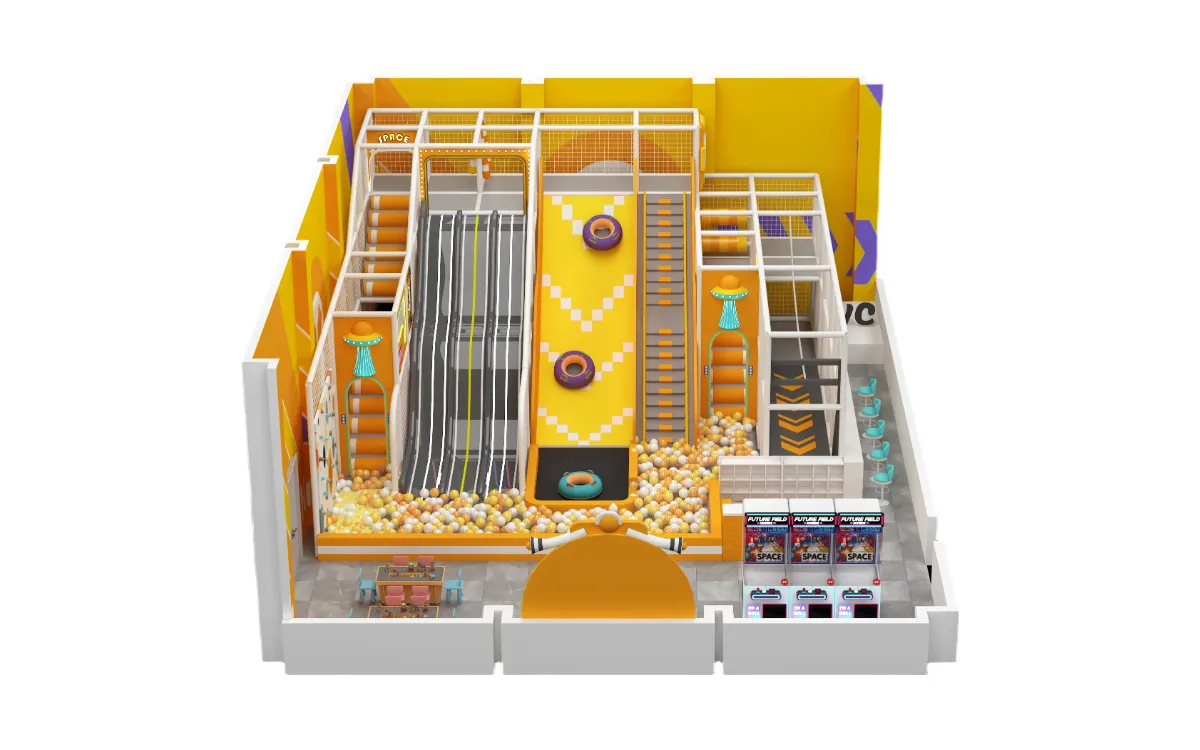
How can operators design high-capacity traffic flow within an indoor kids playground to optimize user experience?
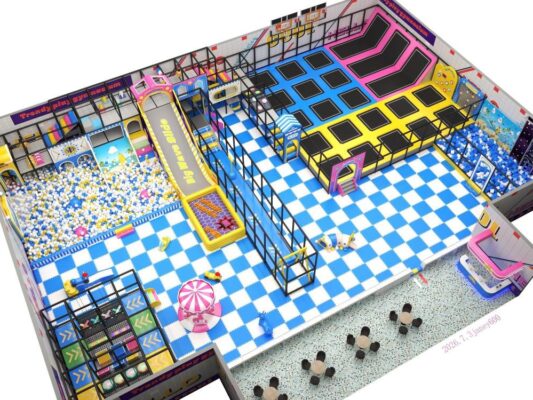
Traffic flow is a major factor in the success of a indoor kids playground, especially in high-capacity locations such as malls, indoor amusement centers, or large educational facilities. Operators must consider how families enter, circulate, rest, observe, and exit the space. Wide pathways reduce congestion and help children navigate safely.
Separating high-energy activity zones from toddler areas prevents collisions and creates a calm environment for younger children. Multi-level layouts must include clear vertical transitions—stairs, ramps, or climbing routes—placed strategically to avoid bottlenecks. Visibility across the playground indoor environment allows staff to supervise efficiently and parents to monitor easily.
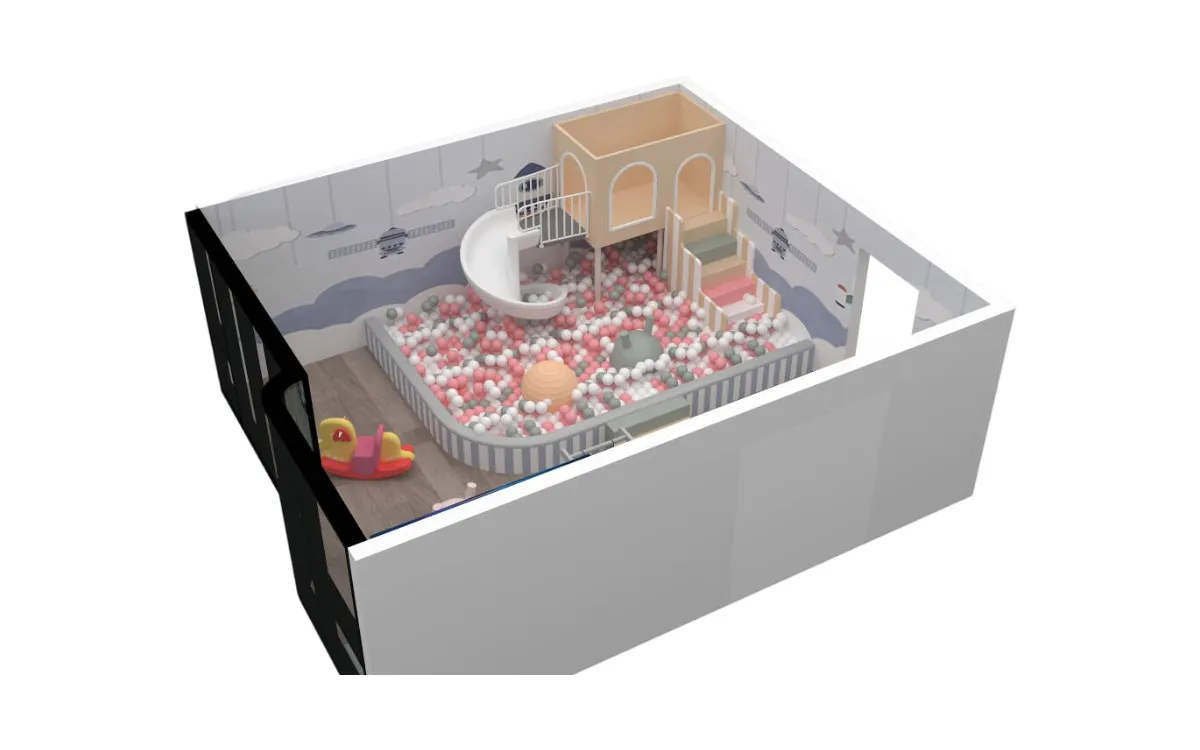
Our design team uses 3D modeling to simulate foot traffic and optimize circulation patterns. With strong production expertise, we customize indoor playgrounds that match capacity needs while improving safety and user satisfaction.
What maintenance strategies help extend the lifespan of equipment in a busy indoor kids playground?
Busy facilities require long-term maintenance strategies to protect their investment in indoor kids playground equipment. Operators should implement daily inspections for loose connectors, worn padding, frayed nets, surface cracks, and sanitation requirements. Weekly deep cleaning prevents material degradation and maintains hygiene, which is essential in indoor environments.
Monthly structural checks ensure that steel frames, fasteners, and platforms remain secure. Preventative maintenance—including lubrication of movable elements, tightening joints, and replacing soft components—extends the lifespan of indoor playgrounds significantly. For commercial operators, maintaining spare parts on-site helps minimize downtime.
We support clients with long-term maintenance guidance, spare components, and after-installation consulting. With strong manufacturing capability, we ensure that every playground indoor installation remains durable, safe, and attractive throughout years of continuous use.

How does incorporating parent-friendly seating and viewing areas improve operational efficiency in an indoor kids playground?
A successful indoor kids playground considers both children and adults. Parent-friendly seating—lounges, benches, café-style tables, or quiet zones—encourages longer stays and improves overall comfort. When parents can easily supervise children, operational safety increases, reducing the staff burden on monitoring.
Clear sightlines across indoor playgrounds help parents maintain visual contact, lowering stress and increasing satisfaction. Comfortable waiting zones also encourage repeat visits, which is vital for commercial venues. For educational facilities, viewing areas support parent–teacher communication and observations of child behavior.
We integrate parent zones seamlessly into playground indoor layouts, balancing aesthetics, visibility, and circulation while supporting the business model of operators. This enhances customer loyalty and operational efficiency for early-learning centers, entertainment venues, and commercial complexes.


 English
  Español
  Français
  Deutsch
  Português