


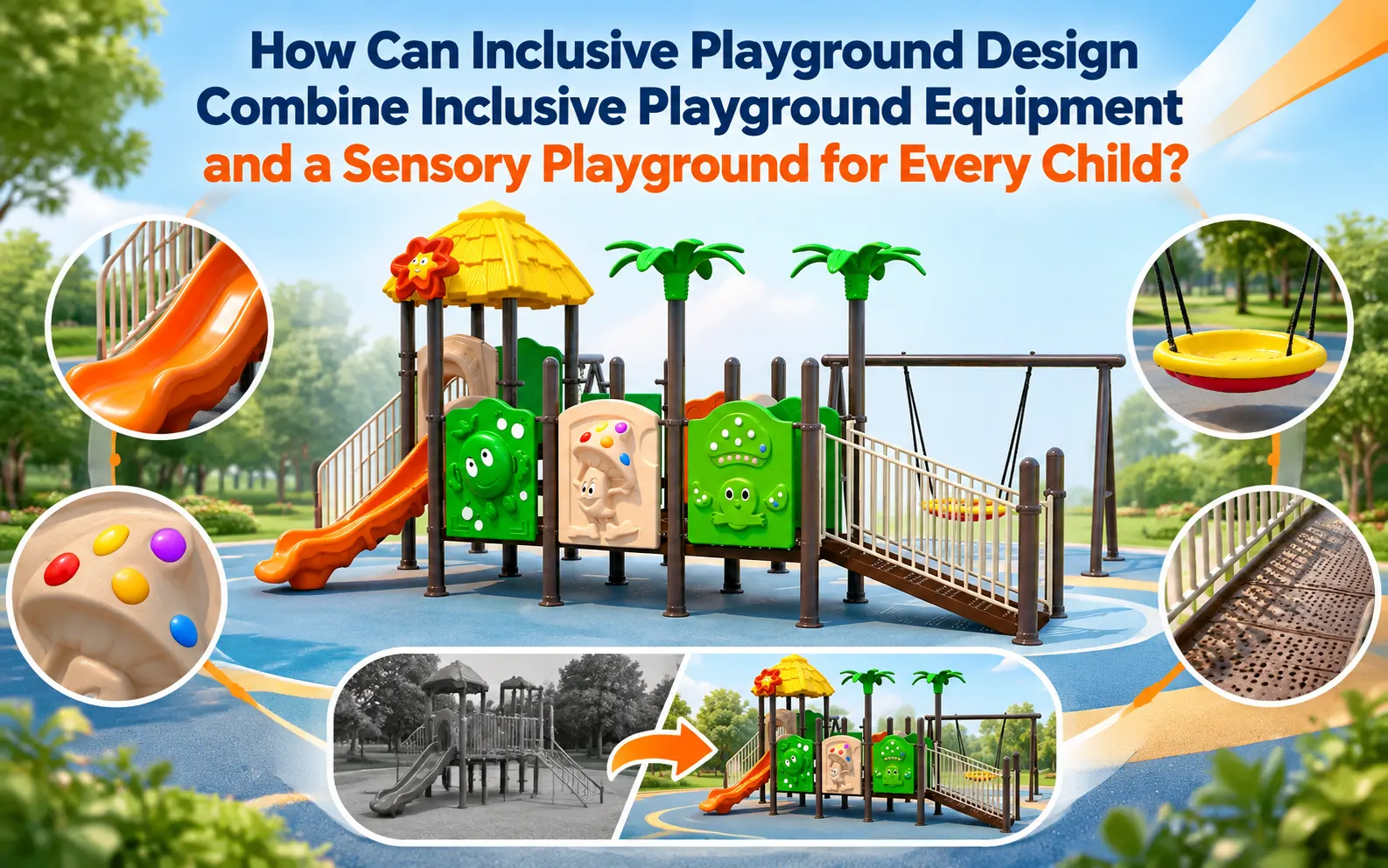
How Can Inclusive Playground Design Combine Inclusive Playground Equipment and a Sensory Playground for Every Child?
Many playgrounds may be physically accessible yet still leave some children watching from the sidelines. When routes, activities, communication tools, and sensory choices fail to support different abilities, exclusion can weaken confidence, limit friendships, and reduce the value of the entire project. The solution is intentional diseño de parques infantiles inclusivos. By combining suitable inclusive playground equipment with varied challenges and a carefully planned sensory playground, communities can create spaces where more children participate meaningfully.
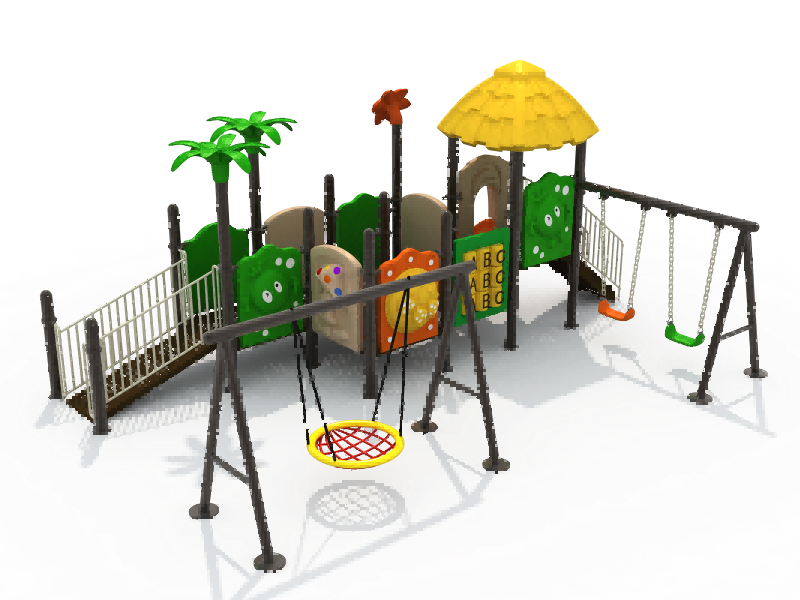
Effective inclusive playground design combines accessible routes, equitable high-value activities, multiple challenge levels, social play, sensory choices, clear organization, protective surfacing, and comfortable amenities. A well-planned sensory playground also offers sound, touch, visual, movement, and quiet experiences, allowing each child to engage at an appropriate level while remaining connected to friends, caregivers, and the wider community.
Discover the practical choices that transform basic access into meaningful participation, connection, and play.
Why Create an Inclusive Playground?
Children visit playgrounds to move, imagine, take manageable risks, meet others, and experience belonging. An inclusive space makes those opportunities available to people with diverse physical, sensory, cognitive, and communication needs. Instead of separating children by ability, inclusive playground design creates a shared setting where they can participate differently while remaining part of the same play story.
This approach benefits more than children with identified disabilities. Younger users, grandparents, caregivers, people recovering from injury, and children who process sound, movement, or social interaction differently may value easier routes, supportive seating, clear signage, shaded rest areas, and varied activities. Well-selected inclusive playground equipment can therefore improve usability for a broad community.
A thoughtfully planned sensory playground also supports choice. One child may seek spinning, swinging, climbing, or strong tactile input, while another may need a quieter place before returning to active play. Providing both engagement and retreat helps more visitors regulate their experience without leaving the playground.
The wider outcome is social connection. Children learn cooperation, turn-taking, empathy, problem-solving, and communication through ordinary play with peers. Families gain a place where siblings and friends can spend time together. For schools, parks, housing projects, and hospitality venues, the project can become a long-term community asset. The purpose is not to make every activity identical; it is to create meaningful, dignified choices throughout the space.
A successful playground should allow children to enter, reach meaningful activities, make choices, interact with others, and enjoy the experience with dignity. Every design decision should support participation rather than simply provide physical access.
Unlock Play Potential: 8 Keys to Inclusion
Eight connected keys can guide an inclusive play project. They help planners evaluate the whole environment instead of selecting equipment one item at a time.
1Social Play and Connection
Activities should let children cooperate, communicate, and enjoy face-to-face interaction. Shared play features, companion spaces, and group activities encourage friendships and reduce isolation.
2Sensory Choice
Offer sound, touch, visual interest, movement, and opportunities for calm. A sensory playground should provide different levels of stimulation so children can choose what feels comfortable.
3Multiple Challenge Levels
Provide achievable starting points and room to build confidence. Ground-level activities, graduated climbing challenges, and different movement experiences support different abilities.
4Clear Activity Zones
Group energetic, imaginative, social, and quiet experiences in understandable areas. Connected zones help users navigate the playground without separating children unnecessarily.
5Easy Maneuverability
Direct routes, adequate turning space, suitable access points, and thoughtful equipment placement help users move between activities and remain involved.
6Appropriate Surfacing
Accessible surfacing should support movement along required routes while contributing to impact attenuation where applicable. Material selection must reflect the site and relevant requirements.
7Orientation and Comfort
Clear boundaries, understandable signs, seating, shade, and good sightlines may improve orientation and caregiver confidence when appropriate for the project.
8The Signature Play Experience
Every child should be able to reach or meaningfully share the playground’s most exciting signature experience, the “coolest thing,” instead of receiving only a separate, less engaging option.
These keys work as a system. A sensory playground with engaging panels still falls short if routes are confusing or social activities are unreachable. Likewise, accessible surfacing alone does not guarantee participation. Strong diseño de parques infantiles inclusivos connects circulation, choice, challenge, comfort, and shared excitement. When inclusive playground equipment is selected through this framework, the result supports genuine interaction rather than simple physical entry.
Learn About Inclusive Play
Inclusive play begins with an important distinction: access is necessary, but access alone is not inclusion. An accessible route may allow a child to enter, yet the experience remains limited if the most engaging activities cannot be reached, understood, or shared. Inclusive playground design goes further by considering how people approach, choose, communicate, participate, rest, and reconnect throughout the environment.
Learning should start with users. Invite input from children, families, educators, therapists, accessibility advocates, maintenance teams, and operators. Their perspectives can reveal barriers easily missed on a plan, such as excessive noise, unclear transitions, difficult transfers, limited companion space, or a lack of quiet options. This input does not replace professional review, but it makes the project brief more realistic.
Study how inclusive playground equipment supports different forms of play. Physical play develops coordination and confidence; imaginative play encourages storytelling; social play builds relationships; and a sensory playground provides auditory, tactile, visual, vestibular, and proprioceptive experiences. Strong projects connect these opportunities rather than treating them as unrelated categories.
Education continues after installation. Staff and caregivers need clear information about intended use, supervision, inspection, and maintenance. Communities should also review how the space performs once real users arrive. Inclusive play is not a product label or one-time checklist. It is an ongoing commitment to observe, listen, maintain, and improve as community needs evolve.
What Is a Sensory Playground?
A sensory playground is a play environment designed to engage several sensory systems through purposeful activities, materials, movement, and spatial organization. It may include musical instruments, textured panels, sand or water play, colorful visual elements, swings, spinners, balance activities, nature features, and quieter retreat spaces. The goal is not constant stimulation. Instead, the setting provides varied experiences so users can seek, moderate, or step away from sensory input.
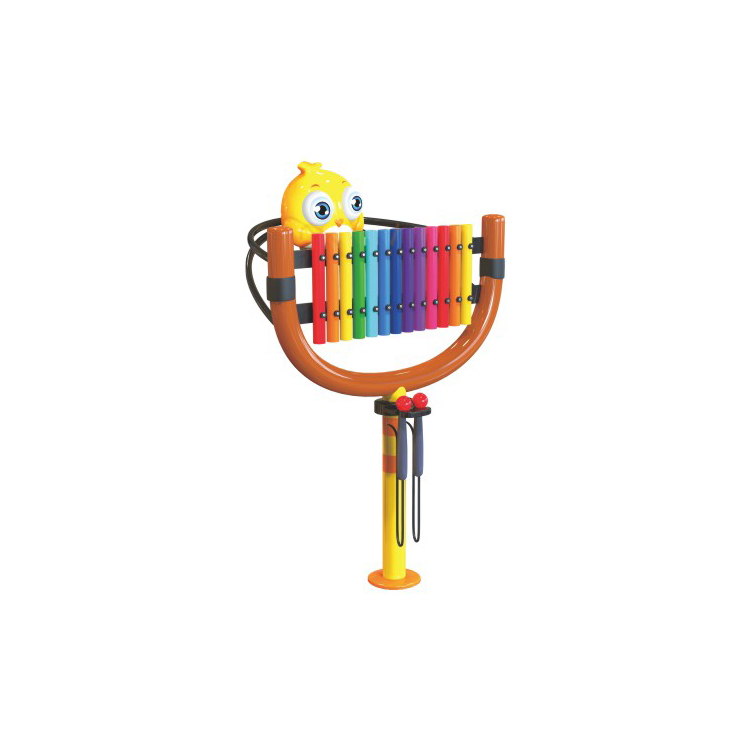
Five Sensory Experiences to Consider
| Experiencia sensorial | Possible Playground Features | Potential Play Value |
|---|---|---|
| Auditory | Drums, chimes, musical panels, interactive sound activities | Listening, rhythm, communication, and cooperative play |
| Tactile | Textured panels, sand tables, water features, rollers, manipulatives | Touch exploration, fine-motor activity, and material discovery |
| Visual | Color patterns, visual panels, moving elements, clear wayfinding | Observation, recognition, visual exploration, and orientation |
| Vestibular | Swings, spinners, rocking equipment, and selected movement activities | Movement exploration, balance challenges, and body awareness |
| Proprioceptive | Climbing, pushing, pulling, balancing, and resistance-based play | Body-position awareness, coordination, and physical exploration |
Sound-based activities may include drums, chimes, or collaborative musical panels. Tactile experiences can use contrasting textures, manipulatives, sand, water, or rollers. Visual play may involve color, pattern, movement, and clear wayfinding. Swinging, spinning, rocking, climbing, and balancing engage vestibular and proprioceptive systems associated with movement, body position, and force. Inclusive playground equipment can bring these experiences together at reachable heights and in social configurations.
Good inclusive playground design also considers location. Placing noisy activities beside a calm zone undermines choice, while isolating sensory elements separates children from peers. Designers can create connected zones with understandable transitions, seating, shade, and direct routes. Equipment should suit intended users, site conditions, supervision, and applicable requirements.
A sensory playground is therefore more than a collection of activity panels. It is a coordinated environment supporting exploration, regulation, learning, movement, and social connection. Sensory play should be part of the main experience, not a token feature at the edge.
Who Benefits From Using a Sensory Playground and Why?
A sensory playground can benefit children with many preferences and abilities, including those who seek strong movement, avoid certain sounds, communicate nonverbally, use mobility devices, or need more time to understand an activity. Children with sensory processing differences or autism may particularly value predictable organization, adjustable stimulation, quiet spaces, and self-directed activities. However, sensory play should not be presented as useful only for a diagnosis.
All children explore the world through their senses. Musical play can encourage listening, timing, and cooperation. Textures and manipulatives support fine-motor exploration. Swinging, rocking, spinning, climbing, and balancing can challenge coordination and body awareness. Nature-based elements invite curiosity and open-ended play. Inclusive playground equipment can make these experiences available through different positions, approaches, and challenge levels.
Children With Different Physical Abilities
Suitable routes, reachable activities, transfer opportunities, supportive seating, and varied play positions can help children participate in more activities.
Children With Sensory Differences
Adjustable stimulation, predictable organization, tactile choices, and quiet areas offer more control over the play experience.
Children With Different Communication Needs
Visual communication boards, symbols, interactive panels, and cooperative activities can provide additional ways to express preferences and interact.
Families and Caregivers
Companion seating, shade, clear routes, understandable signage, and good sightlines can make visits easier to supervise and enjoy.
Families and caregivers benefit as well. Siblings and friends can remain in one shared environment instead of moving between disconnected spaces. Schools may use sensory experiences for outdoor learning, while parks and community venues can welcome more visitors.
The greatest benefit comes from choice within inclusive playground design. No activity will suit everyone, and sensory needs may change between visits. By offering active and calm options, individual and cooperative play, and several ways to engage, the environment allows more users to participate with confidence and dignity.
How to Provide the Best Sensory Playground Experience
The best sensory playground experience begins with a balanced plan rather than a shopping list. Map the desired auditory, tactile, visual, vestibular, proprioceptive, imaginative, and social experiences. Then identify where users can find active stimulation, moderate engagement, and quieter recovery. This prevents one sensory type from dominating and supports individual choice.
Balance Active, Social, and Quiet Zones
Create understandable zones without separating children unnecessarily. Musical activities can encourage collaboration, but they should not overwhelm a retreat space. Swings and spinners need safe circulation and clear use areas. Tactile panels, sand tables, and water activities should be reachable from suitable positions and leave room for companions. Nature, shade, seating, and planting can add comfort while defining transitions.
Active Exploration Zone
Include suitable movement activities, climbing challenges, swings, and balance experiences. Provide appropriate circulation and clear equipment use areas.
Interactive Sensory Zone
Combine musical panels, tactile activities, visual elements, and hands-on discovery features to encourage exploration and cooperation.
Social Play Zone
Add group activities, face-to-face play panels, shared games, and companion spaces where children can interact naturally.
Quiet and Recovery Zone
Provide comfortable seating, shade, quieter surroundings, and clear connections to the rest of the playground.
Choose Equipment With Multiple Participation Options
Elige inclusive playground equipment that offers more than one way to participate. A shared motion activity may include supportive seating, companion capacity, or different engagement positions. Visual communication boards and simple symbols can help users express needs and understand routines. Multiple challenge levels allow children to begin comfortably and progress without leaving friends.
Consider Operation and Maintenance
Operational details matter as much as inclusive playground design. Review drainage, heat exposure, acoustics, surfacing, maintenance access, sanitation, and replacement parts. Train staff on intended use and inspection responsibilities. After opening, observe how families use the sensory playground and collect feedback. The plan should remain adaptable because small changes to layout, signage, seating, or activity balance can significantly improve the experience.
Inclusive Play Design Philosophy
A strong design philosophy treats human diversity as a starting point, not an exception. Universal Design provides a useful foundation: environments should support equitable use, flexibility, intuitive operation, perceptible information, tolerance for error, manageable physical effort, and adequate space for approach and participation. Applied thoughtfully, these principles help inclusive playground design serve more people without making the environment feel clinical or segregated.
Equitable Use and Meaningful Participation
Equity does not mean every user must interact with each activity in exactly the same way. It means the playground offers experiences of comparable value, excitement, dignity, and social connection. Inclusive playground equipment should provide options for different body positions, communication styles, sensory preferences, confidence levels, and methods of movement. The signature experience should not be reserved for children who climb fastest or transfer independently.
Choice, Autonomy, and Clear Information
Choice and autonomy are equally important. A sensory playground should let users control how intensely they engage, whether they participate alone or with others, and when they need rest. Clear visual information, predictable routes, and distinct but connected zones can reduce uncertainty. Graduated challenge lets children experiment, take manageable risks, and experience success.
Design Based on Real User Feedback
This philosophy also depends on listening. Children, parents, therapists, educators, operators, and maintenance teams understand different parts of the experience. Their feedback helps the space work in practice, not only on drawings. Designs shaped by real user voices are more likely to support authentic participation and long-term community use.
Inclusive Play Innovation
Inclusive play innovation should remove barriers while increasing excitement, independence, and shared participation. It is not limited to adding ramps or modifying traditional products. Innovative inclusive playground equipment can create new ways to swing, glide, spin, climb, communicate, make music, and play face-to-face. The strongest ideas become part of the main experience rather than appearing as separate adaptive products.
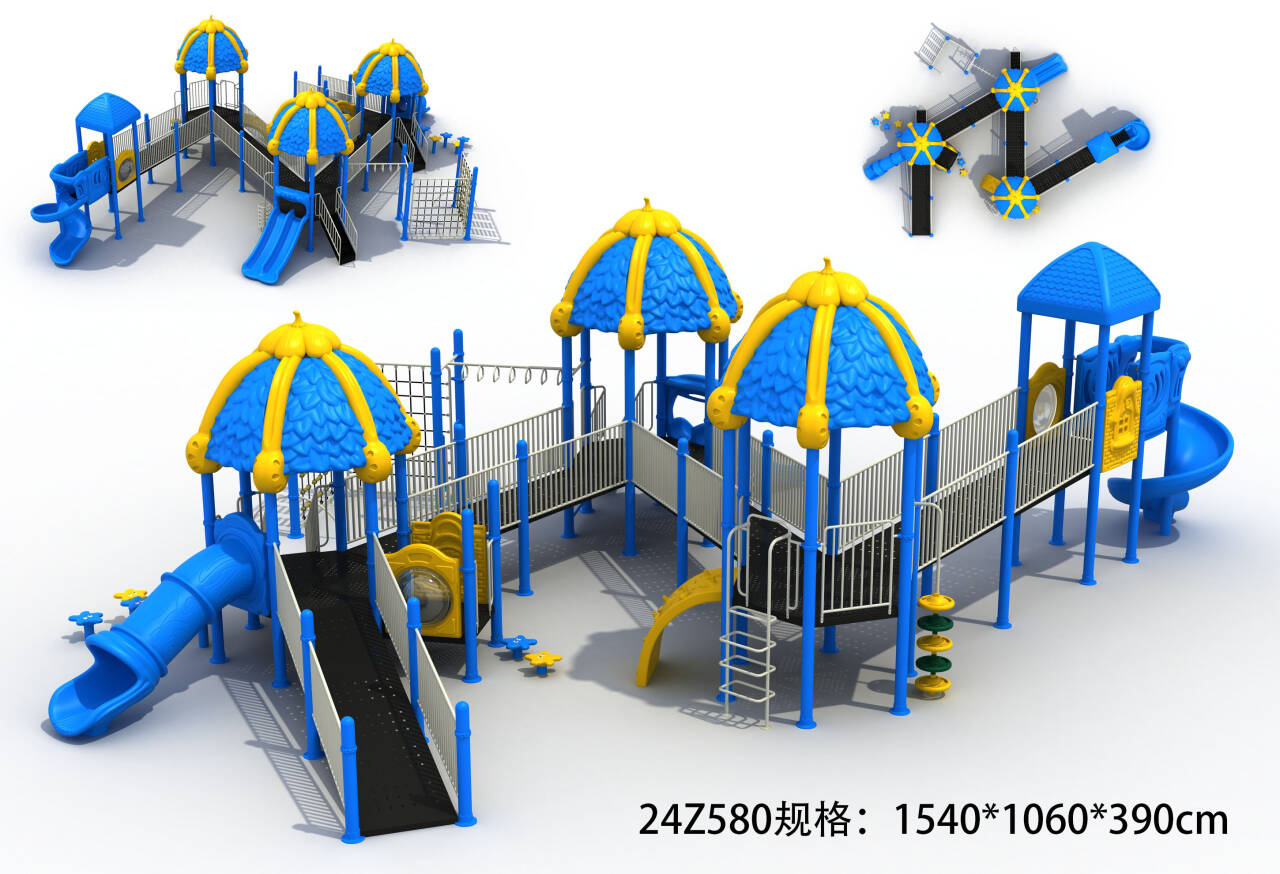
Accessible Movement and Shared Activities
One area of innovation is no-transfer or easier-transfer motion play. When users can enter with mobility devices, use supportive seating, or play beside companions, a familiar activity becomes more equitable. Flexible climbing materials and carefully shaped transfer areas can provide rewarding challenges for children who move differently. Communication boards, symbols, responsive sound elements, and activities at varied heights can further expand participation.
Innovation That Solves Real User Needs
Innovation should still solve a verified user need. A novel feature has little value if routes are blocked, controls are confusing, maintenance is unrealistic, or only one child can participate while friends wait elsewhere. Inclusive playground design must connect the feature with surfacing, circulation, supervision, comfort, and the surrounding play sequence.
Project teams should ask practical questions: Who can approach the activity? Who can control it? Can companions join? Are several challenge levels available? What maintenance does it require? Does it create social connection? Answering these questions early helps communities build a sensory playground that feels adventurous and contemporary while remaining understandable, durable, and genuinely inclusive.
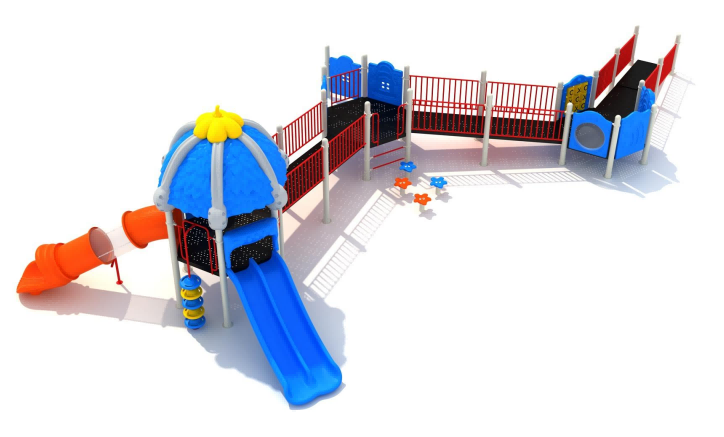
Designing Inclusive Playgrounds
Designing an inclusive playground starts with a clear community brief. Define users, age ranges, abilities, expected capacity, desired experiences, site constraints, budget, maintenance resources, and applicable requirements. Engage families and specialists early, then translate their priorities into an inclusive playground design coordinating equipment, routes, surfacing, amenities, and operations.
Step 1: Understand the Site and Target Users
Review the available space, entrances, slopes, drainage, surrounding buildings, sunlight, shade, and existing circulation. Identify the expected age groups and different physical, sensory, cognitive, and communication needs. Consult families, educators, accessibility specialists, and operators before finalizing the equipment layout.
Step 2: Plan Accessible Routes and Activity Zones
Plan the experience from arrival onward. Parking and entrances should connect logically to direct pathways. Routes must support movement between active, imaginative, social, and quiet zones. Provide turning and companion space around inclusive playground equipment, and avoid paths crossing moving equipment use areas. Shade, supportive seating, drinking facilities where appropriate, and clear sightlines can improve comfort for children and caregivers.
Step 3: Balance Challenge With Choice
Include ground-level and elevated activities, several forms of motion, sensory variety, cooperative play, communication support, and retreat spaces. A sensory playground should offer stimulating experiences without making calm participation impossible. The most exciting feature should allow equitable participation rather than sit beyond an avoidable barrier.
Step 4: Select Suitable Materials and Equipment
Evaluate equipment according to intended users, environmental conditions, durability, maintenance requirements, and applicable safety standards. Consider surface temperatures, UV exposure, corrosion resistance, drainage, cleanability, and the availability of replacement components. Select materials and finishes that suit the climate and expected usage.
Step 5: Review Procurement and Installation
Before procurement, compare proposals on play value, usability, materials, warranties, installation scope, replacement parts, and maintenance. Confirm site preparation, surfacing, drainage, delivery, inspection, and handover responsibilities in writing.
Step 6: Evaluate and Improve After Opening
After opening, inspect equipment regularly and invite user feedback. Observe whether children can reach the activities, understand how to use them, and participate with companions. Successful inclusive playground design is not finished at installation; it develops through responsible care, observation, and improvement as the community uses the space.


How to Choose Inclusive Playground Equipment for a Project
Selecting equipment is one of the most important decisions in an inclusive playground project. Buyers should evaluate more than the appearance of a product or the number of activities it includes. The right combination should support different abilities, offer meaningful play value, and fit the site’s operational requirements.
Recommended Equipment Categories
| Categoría de equipamiento | Typical Features | Key Purchasing Considerations |
|---|---|---|
| Accessible Play Panels | Interactive games, tactile panels, visual activities, musical panels | Reachable operating heights, easy controls, clear activity instructions |
| Inclusive Swing Equipment | Supportive seats, different swing experiences, companion options | Appropriate support, user access, safety zones, and installation requirements |
| Ground-Level Play Equipment | Interactive play stations, sensory panels, imaginative activities | Accessible approach, adequate space, and shared participation |
| Accessible Climbing Features | Transfer platforms, graduated climbing challenges, low-level activities | Appropriate challenge, grip, fall protection, and user capability |
| Equipamiento para juegos sensoriales | Musical instruments, textured surfaces, sand and water activities | Stimulation balance, cleaning, durability, and maintenance access |
| Inclusive Social Play Features | Shared games, group panels, face-to-face activities, communication boards | Companion space, visibility, intuitive use, and interaction opportunities |
Important Material and Quality Considerations
Material selection should reflect the installation environment, expected traffic, maintenance capacity, and product design. Outdoor equipment may require weather-resistant finishes, UV-resistant components, corrosion protection, secure connections, and suitable surface treatments. Contact surfaces should be considered for heat exposure, comfort, and ease of cleaning.
Buyers should also request technical drawings, product dimensions, material specifications, installation instructions, warranty terms, inspection recommendations, and available replacement parts. The specific safety and accessibility requirements should be checked against the project location and the applicable local regulations before ordering.
What Should Buyers Ask a Playground Supplier?
- Can the supplier provide customized layouts for the available site dimensions?
- Can the equipment accommodate different physical and sensory participation needs?
- Are technical drawings, dimensions, and material specifications available?
- What safety requirements and relevant test documentation apply to the products?
- What are the production lead time, packaging details, and delivery arrangements?
- Are spare parts, maintenance instructions, and after-sales support available?
- Can the supplier coordinate different equipment categories into one connected design?
Inclusive Playground Project Planning Checklist
Before moving into production or construction, project owners should confirm that the main design decisions have been reviewed. This checklist can help schools, municipalities, park developers, contractors, and commercial playground operators organize their requirements.
Community and User Requirements
- Target age groups and expected visitor capacity
- Different physical and sensory needs
- Family, caregiver, and companion requirements
- Desired social and educational experiences
Site and Layout Requirements
- Site measurements and topography
- Entrance and circulation planning
- Activity zones and quiet spaces
- Shade, seating, drainage, and surfacing
Equipment and Quality Requirements
- Equipment categories and play functions
- Materials and surface finishes
- Technical drawings and specifications
- Applicable safety documentation
Commercial and Operational Requirements
- Budget and quotation comparison
- Production and delivery schedules
- Installation and warranty responsibilities
- Inspection and long-term maintenance
Prepare a site plan, approximate dimensions, target age range, preferred equipment categories, and project budget before requesting a quotation. These details help a manufacturer understand the project more accurately and provide a more relevant equipment proposal.
Frequently Asked Questions About Inclusive Playgrounds
1. What Is the Difference Between an Accessible and an Inclusive Playground?
An accessible playground focuses on removing physical barriers so users can enter and reach activities. An inclusive playground goes further by considering social interaction, sensory preferences, communication, different challenge levels, comfort, and meaningful participation. Accessibility is an essential part of inclusion, but it does not address every participation need on its own.
2. What Equipment Should an Inclusive Playground Include?
A balanced project may include accessible routes, ground-level activity panels, inclusive swings, supportive seating, sensory equipment, interactive musical features, graduated climbing activities, shared games, and quiet spaces. The final selection should depend on the target users, site conditions, available budget, and applicable requirements.
3. What Should a Sensory Playground Include?
A sensory playground can include auditory, tactile, visual, vestibular, and proprioceptive activities. Examples include musical panels, textured surfaces, sand and water play, visual discovery features, swings, rocking equipment, and balance activities. It should also include quieter spaces so children can choose their preferred level of stimulation.
4. How Can a Playground Support Children With Different Abilities?
Provide different ways to approach, reach, understand, and participate in activities. Consider accessible circulation, suitable equipment positions, companion spaces, supportive seating, visual communication tools, multiple challenge levels, and a mixture of active and quiet experiences.
5. How Much Space Is Needed for an Inclusive Playground?
There is no single required size for every project. The space depends on the selected equipment, intended capacity, safety use zones, accessible routes, turning areas, surfacing, amenities, and local requirements. A site-specific layout should be prepared before equipment is finalized.
6. What Materials Are Suitable for Outdoor Inclusive Playground Equipment?
Material choices depend on the product structure and installation environment. Buyers may evaluate weather-resistant metal structures, durable plastic components, suitable protective coatings, tactile materials, and appropriate impact-attenuating surfacing. UV resistance, corrosion protection, cleaning, temperature, and maintenance should all be considered.
7. How Do You Maintain an Inclusive Playground?
Establish regular inspections, cleaning schedules, surface checks, hardware checks, and maintenance records. Pay attention to moving parts, accessible routes, communication features, seating, drainage, and surfacing conditions. Follow the manufacturer’s instructions and applicable inspection requirements.
8. How Can Buyers Get a Customized Inclusive Playground Design?
Start by sharing the project location, site dimensions, target age groups, preferred activities, budget, and expected capacity with a playground manufacturer. Ask for a proposed layout, equipment list, technical specifications, material details, quotation, production schedule, and installation information. This makes it easier to compare suppliers and select a solution that fits the project.
Create a More Inclusive Play Experience With JQPlayground
Every community deserves a playground where children can explore, interact, and enjoy meaningful play experiences. From accessible activity features and interactive sensory elements to customized playground combinations, careful equipment selection is the foundation of a successful project.
JQPlayground provides playground product solutions for project buyers, distributors, schools, parks, and commercial venues. Explore the product range and discuss your project requirements to identify suitable equipment and design possibilities.
Explore Inclusive Playground EquipmentReflexiones finales: Inclusive playground equipment, a balanced sensory playground, and thoughtful diseño de parques infantiles inclusivos work best as one system. Prioritize meaningful participation, varied challenge, sensory choice, social connection, accessible circulation, and long-term care. The result can be a welcoming play environment where more children and families belong, explore, and grow together.


 Español
 English
 Français
 Deutsch
 Português