


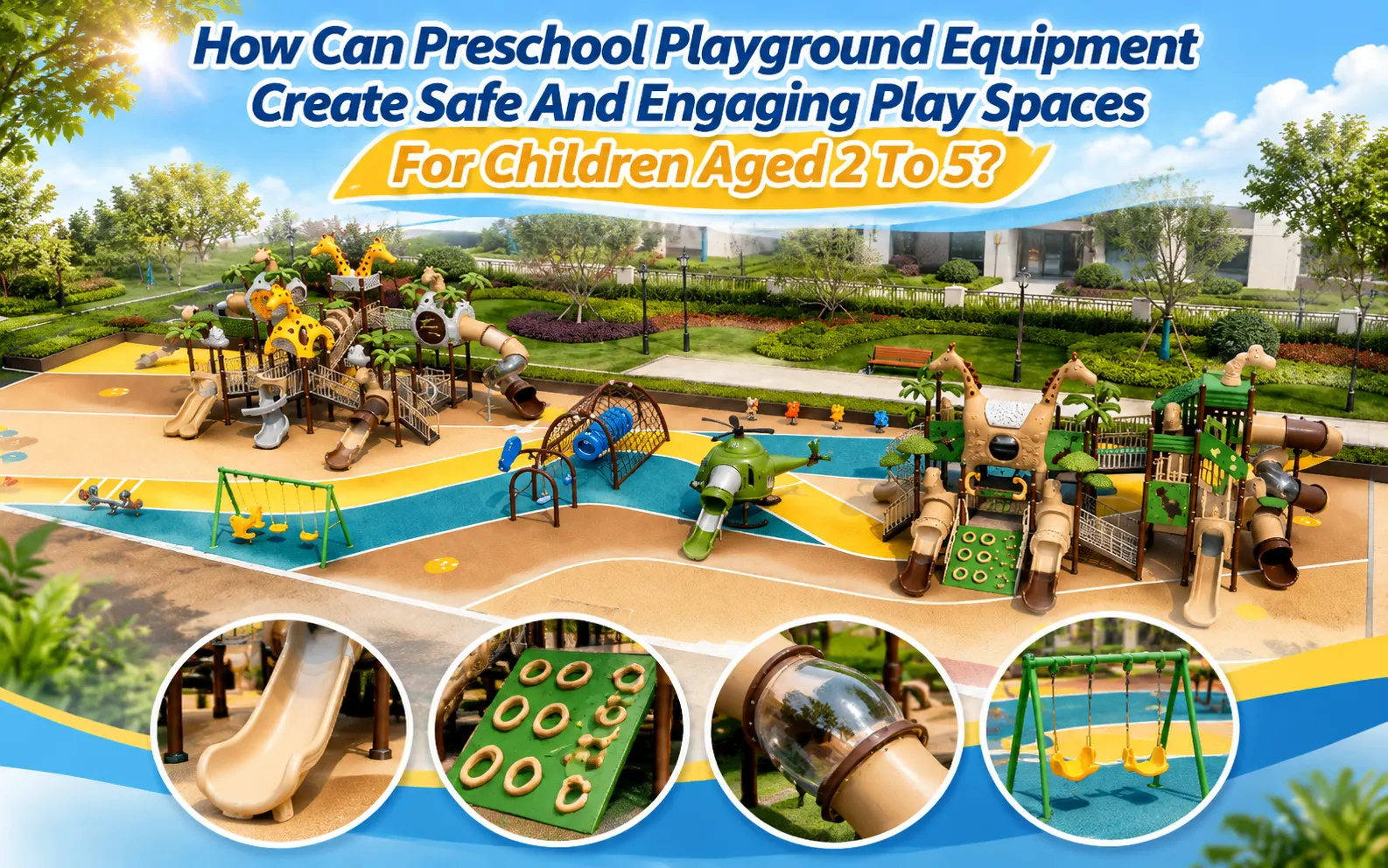
How Can Preschool Playground Equipment Create Safe and Engaging Play Spaces for Children Aged 2 to 5?
Choosing unsuitable playground equipment can limit children’s activities and create unnecessary safety concerns. Poor layouts, inappropriate platform heights, and low-quality materials may also increase maintenance costs and disappoint parents. The solution is to select professionally designed preschool playground equipment that matches children’s ages, available space, and daily needs.
For schools, kindergartens, and childcare centers, the right toddler playground equipment can transform an ordinary outdoor area into a valuable learning and recreation space. Well-planned preschool playground structures encourage children to climb, slide, balance, explore, and interact with their classmates while developing important physical and social skills.
What Makes a Good Preschool Playground?
A successful playground combines age-appropriate activities, durable materials, thoughtful layouts, and suitable safety features. For children aged 2 to 5, preschool playground equipment, toddler playground equipmentet preschool playground structures should provide different levels of physical challenges while allowing teachers to supervise children effectively.
In This Guide
- Benefits of Commercial Playgrounds
- Three Steps to a New Playground
- Creating Play and Social Interaction
- Choosing Equipment for Different Ages
- Purchasing and Project Planning
- Choosing a Playground Manufacturer
- Indoor and Outdoor Playground Solutions
- Featured Projects and Installations
- Customer Reviews and Supplier Evaluation
- Materials and Safety Considerations
- Foire aux questions
1. How Can Commercial Playgrounds Benefit Schools and Preschools?
A commercial playground is more than an outdoor entertainment area. For schools, preschools, and childcare centers, it is an important part of the learning environment. Children need opportunities to move, explore, communicate, and develop independence. Professionally planned preschool playground equipment can turn everyday activities into enjoyable learning experiences.
Unlike residential playsets, commercial playground equipment is designed for frequent use by groups of children. It should have suitable structural strength, durable materials, stable connections, and an appropriate layout. Schools should also consider the number of children using the playground, their age groups, and supervision arrangements.
For children aged 2 to 5, suitable activities include low climbing platforms, small slides, tunnels, stepping elements, and interactive panels. These features encourage coordination, balance, confidence, and social interaction. Properly designed toddler playground equipment should be accessible and manageable for younger users.
Développement physique
Climbing, sliding, jumping, and balancing help children improve coordination, strength, and gross motor skills.
Interaction sociale
Shared activities encourage children to communicate, take turns, cooperate, and develop friendships.
Creative Thinking
Themed playhouses, interactive panels, and imaginative play areas support exploration and creativity.
A successful playground should offer different types of play. Active equipment encourages climbing and movement, while interactive panels and themed playhouses support imagination and communication. Group activities can help children learn to share and cooperate.
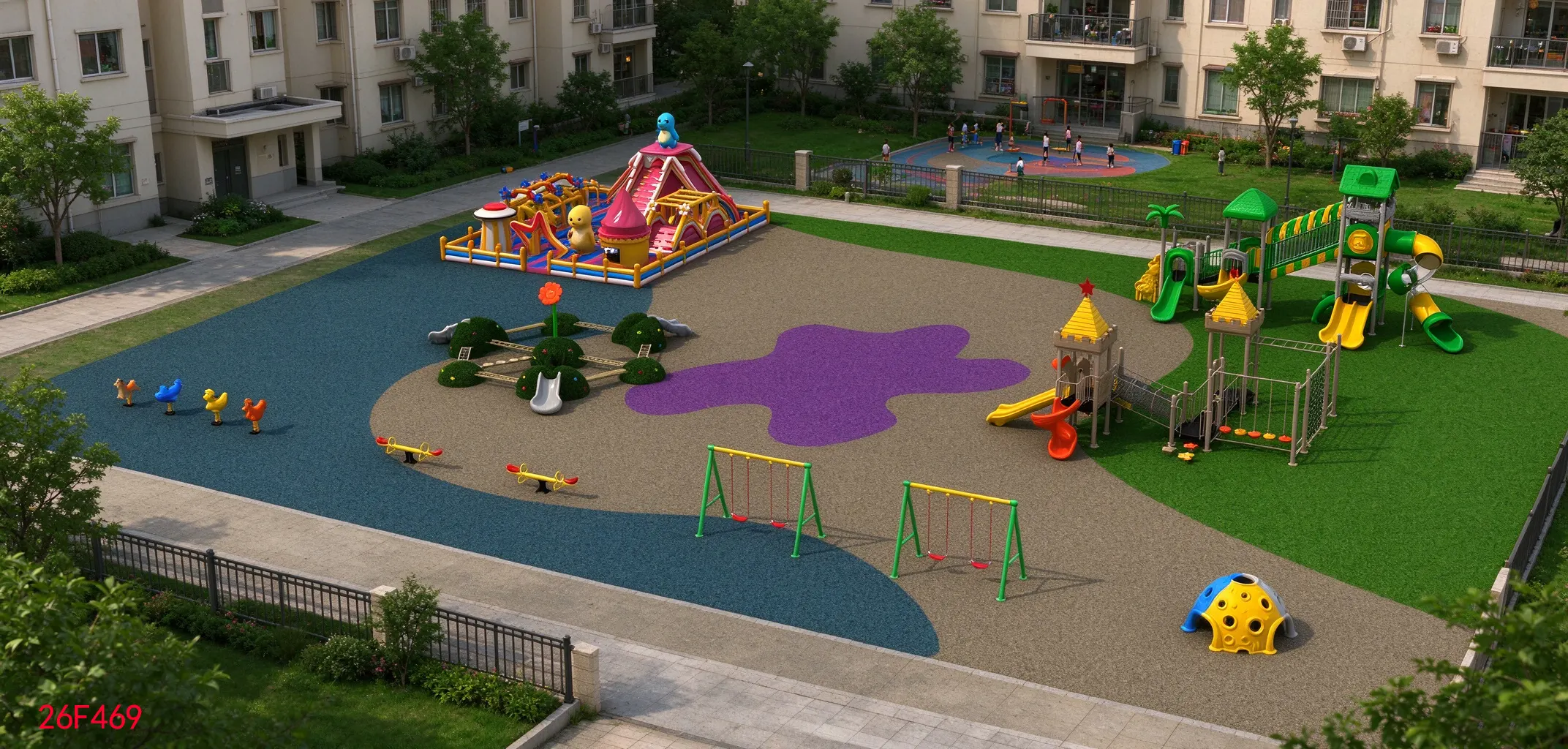
Appearance is another important consideration. Colorful preschool playground structures can make an outdoor area more attractive and reflect a school’s identity. When choosing a supplier, consider manufacturing experience, customization, material specifications, quality control, and after-sales support. A suitable commercial playground is a long-term investment in children’s development and the school’s environment.
2. What Are the Three Simple Steps to a Brand-New Playground?
Building a playground involves site planning, equipment selection, manufacturing, transportation, and installation. A clear process helps schools and project developers manage these stages and avoid unnecessary delays. Whether you need a small kindergarten play area or a larger commercial facility, the following three steps provide a practical starting point.
Step 1: Share Your Site Information and Develop a Design
Start by providing the available site dimensions, CAD drawings, or a hand sketch with detailed measurements. Site photographs can also help the design team understand the surroundings. Explain the target age group, estimated number of users, preferred style, and main activities.
Based on this information, the team can develop a layout that makes effective use of the space. The proposed preschool playground equipment arrangement should consider equipment dimensions, circulation, supervision, entrance positions, and appropriate safety zones.
Step 2: Confirm Your Budget and Equipment
After reviewing the design, discuss the budget and product specifications. You can select different combinations of slides, climbing structures, tunnels, balance activities, and interactive panels. Materials may include galvanized steel pipes, PE boards, and engineering plastics.
Compare quotations according to the actual design, quantities, materials, and included services. Confirm colors, dimensions, accessories, warranty terms, and delivery arrangements before ordering. Buyers should also confirm that the proposed preschool playground structures match the intended age group.
Step 3: Arrange Production, Delivery, and Installation
Once the design and order details are confirmed, production can begin. The manufacturer should inspect materials, dimensions, connections, surface finishes, and product quantities. After production, equipment is packed for shipment with the necessary product and shipping documents.
Installation can be handled by a local contractor or supported by the manufacturer according to the agreed service scope. Clear installation instructions and technical communication are particularly important for customized toddler playground equipment.
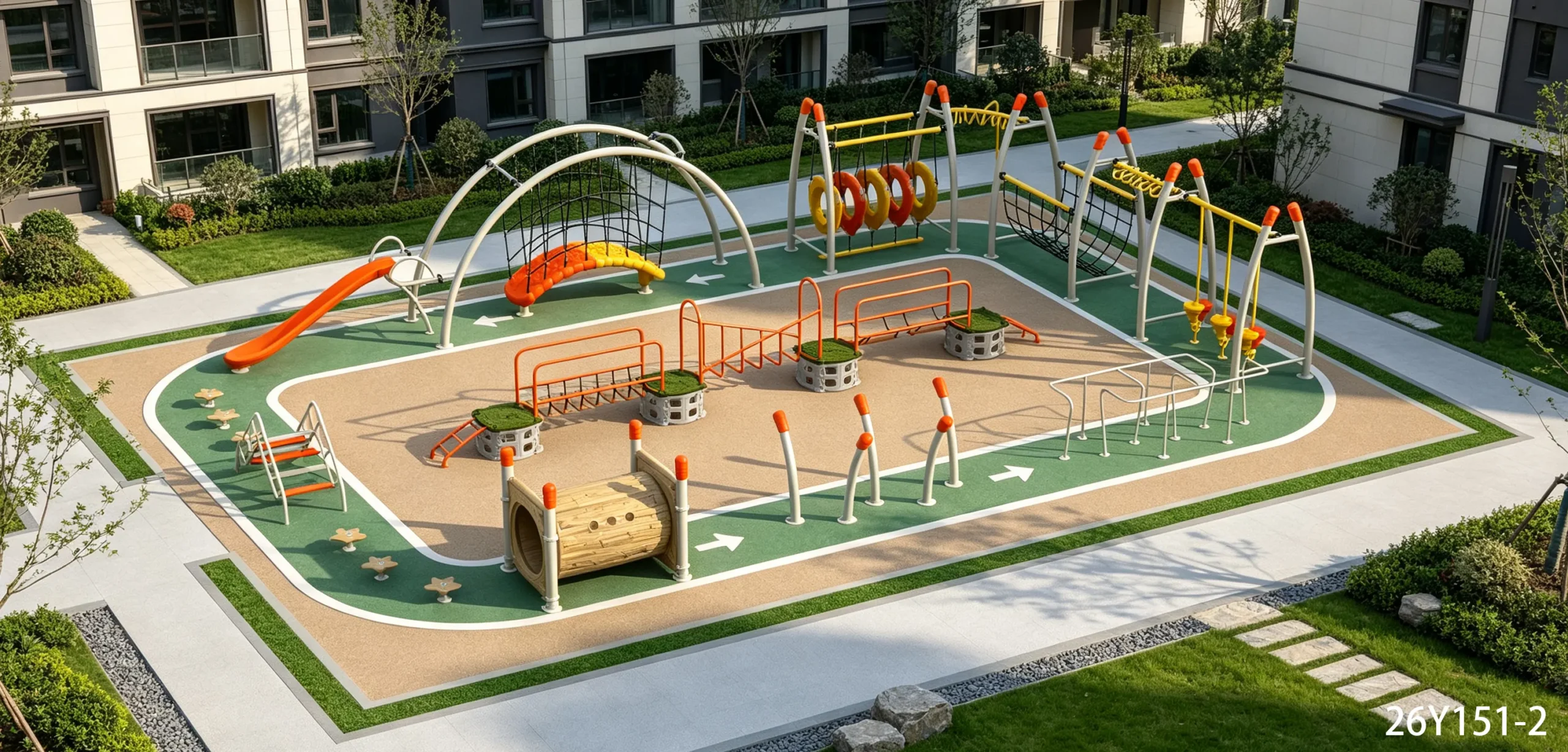
Following these three steps makes the project easier to coordinate, from the first design discussion to the completed playground.
3. How Can You Create a Thriving Hub of Play and Connection?
A successful preschool playground should do more than provide individual play equipment. It should create an environment where children can make friends, develop communication skills, and explore together. For schools and childcare centers, a thoughtfully designed playground can become a shared space that brings children and teachers closer.
Different activities encourage different types of interaction. Slides give children opportunities to take turns, while climbing structures allow them to explore physical challenges. Interactive panels, playhouses, and themed elements encourage imagination and communication. Group activities can also help children develop cooperation and patience.
The layout of preschool playground equipment influences how children use the space. Instead of placing every activity in one crowded area, consider creating several connected play zones. A climbing area can be positioned near a slide, while a quieter interactive zone provides alternative activities for children who prefer less physical play.
Include low climbing frames, slides, stepping platforms, and tunnels to encourage physical movement.
Use themed playhouses, decorative panels, and role-play features to stimulate creativity.
Add activity panels and simple group-play elements to support communication and cooperation.
Age separation is also worth considering. Younger toddlers may need lower platforms and easier access, while older preschool children may enjoy more challenging climbing and balancing activities. Appropriate toddler playground equipment should allow younger children to explore without being overwhelmed.
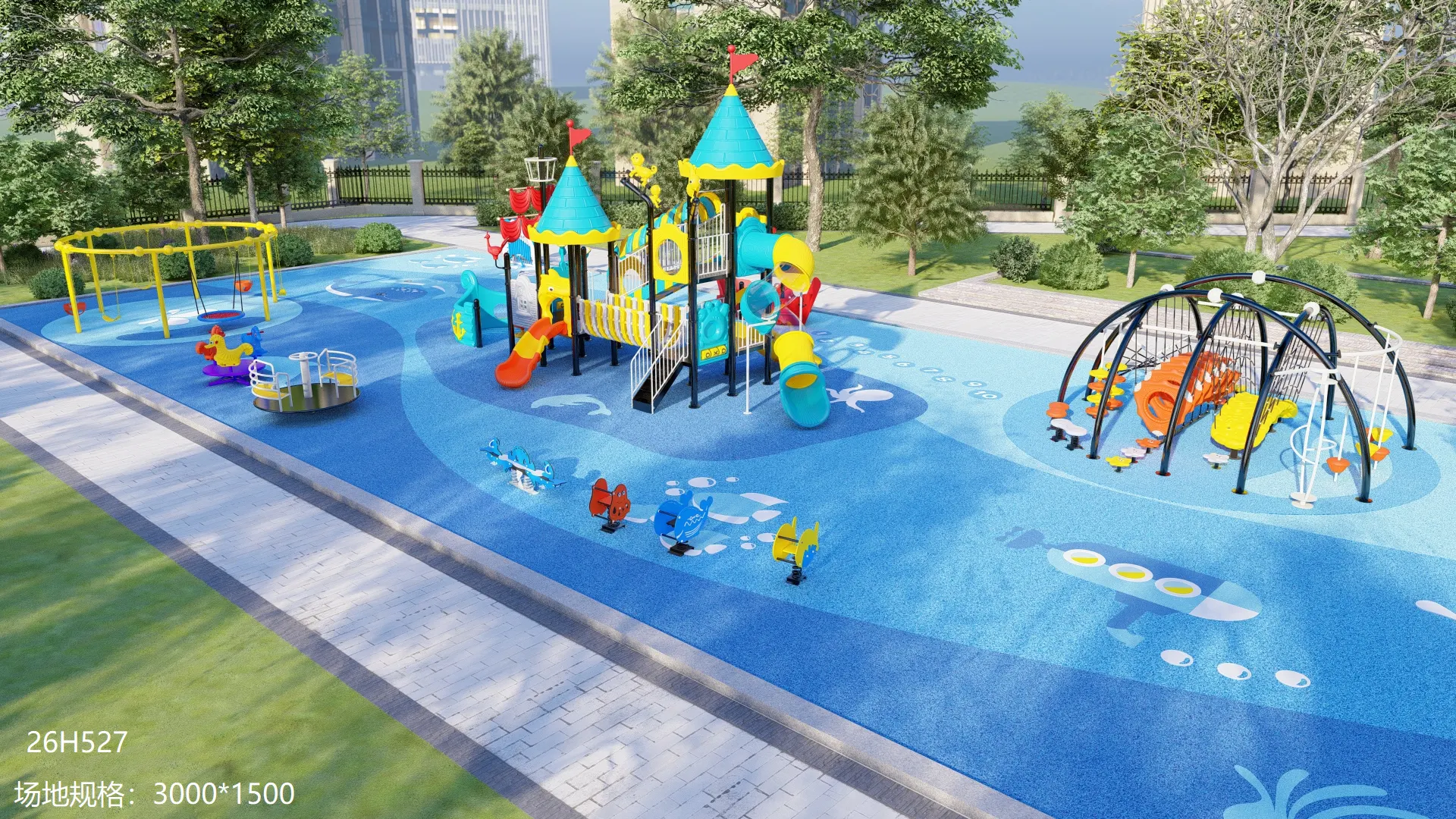
The appearance of the playground also matters. Nature, forest, ocean, animal, and castle themes can make outdoor areas more imaginative. Custom colors can coordinate with school branding and surrounding buildings.
A well-designed playground also supports teachers’ daily activities, including outdoor learning and group exercises. For parents, an attractive play area can create a positive impression of the school. The goal is to create a welcoming space that encourages children to explore, interact, and return every day.
4. How Should Preschool Playground Equipment Be Sized for Ages 2 to 5?
Children aged 2 to 5 have different physical abilities and developmental needs from older schoolchildren. Therefore, equipment should be selected according to the intended age group rather than appearance alone. Equipment that is too high or difficult to access may discourage younger children from playing.
For Younger Toddlers: Simple and Accessible Activities
For younger toddlers, suitable activities include low platforms, small slides, easy-to-use tunnels, simple stepping elements, and interactive panels. These activities allow children to practice basic movements, develop balance, and gain confidence.
Lorsque l'on sélectionne toddler playground equipment, pay attention to easy entry points, manageable steps, appropriate handrails, and comfortable activity heights. Younger users benefit from simple play experiences that allow them to explore gradually.
For Older Preschool Children: More Varied Play Challenges
Older preschool children may enjoy more varied climbing activities, bridges, balance challenges, and multi-activity play structures. These features can encourage children to test their abilities while developing coordination and confidence.
Suitable preschool playground structures should offer an appropriate progression of activities without introducing unnecessary difficulty. The design should balance physical challenges with accessibility and supervision.
Planning for Mixed-Age Playground Areas
Mixed-age playgrounds require additional planning. If a preschool serves children from 2 to 5, separate activity areas or different challenge levels can help accommodate their abilities. Younger children can enjoy simpler equipment, while older children can explore more challenging activities within an appropriate design.
When planning mixed-age preschool playground equipment, consider the entire structure rather than only its overall height. Platform dimensions, step spacing, handrails, slide entrances, openings, and fall heights all influence how children use the equipment.
Allow Enough Space for Safe Movement
Appropriate safety zones and impact-attenuating surfacing should be included in the site plan. Equipment should not be crowded together, and children should have enough room to move between activities. Teachers should also have clear sightlines across the main play areas.
Before purchasing, ask the manufacturer for dimensions, recommended age ranges, material specifications, and relevant safety documentation. Standards such as ASTM F1487 or the EN 1176 series may apply depending on the destination market. Always confirm the specific local requirements.
5. How Does Buying Preschool Playground Equipment Work?
Purchasing commercial playground equipment involves more than choosing products from a catalog. Schools, distributors, contractors, and project developers need to evaluate design, materials, pricing, production, shipping, and installation. A clear purchasing process helps buyers compare suppliers and avoid misunderstandings.
Step 1: Prepare Your Project Requirements
First, share your project requirements. Provide the site dimensions, intended age group, estimated number of users, preferred design style, and approximate budget. CAD drawings, hand sketches, and reference pictures can help the supplier understand your expectations. Detailed information makes it easier to recommend suitable preschool playground equipment.
Step 2: Review the Proposed Design and Specifications
Next, review the proposed design. Check the layout, structure dimensions, activity combinations, colors, and materials. If your project has specific safety standards or local requirements, communicate them before approving the design. Confirm necessary changes before production to avoid additional revisions.
Pour une solution sur mesure preschool playground structures, buyers should check whether the proposed design fits the actual site and allows enough room for installation, circulation, and supervision.
Step 3: Request a Detailed Commercial Quotation
After design approval, request a detailed quotation. It should identify the equipment, quantities, specifications, packaging, production time, and commercial terms. For international orders, confirm whether the price is EXW, FOB, or CIF and understand which costs are included.
Shipping and installation responsibilities should also be discussed. Ask whether the supplier can provide packing dimensions, total CBM, gross weight, installation instructions, and relevant shipping documents.
Step 4: Production, Quality Inspection, and Delivery
Once the order is confirmed, the manufacturer arranges production and quality inspection. Customers can request progress updates and product photographs. Before shipment, check the packing list, product quantities, and shipping documents.
Step 5: Installation and After-Sales Support
After delivery, installation can be completed by a local contractor or through an agreed technical support arrangement. Clear installation instructions are especially important for customized toddler playground equipment.
Information Buyers Should Prepare
- Project location and site dimensions.
- Target age group and estimated number of children.
- Preferred playground theme, colors, and activities.
- Available budget and expected project schedule.
- Required safety standards and documentation.
- Shipping destination and preferred trade terms.
- Installation arrangements and after-sales requirements.
JQ supports international customers through design communication, customization, manufacturing, and export coordination. Our team can recommend suitable preschool playground equipment according to your site, budget, and project requirements.
6. Why Do Teams Buy from an Experienced Playground Manufacturer?
Choosing a playground manufacturer is an important decision for schools, distributors, contractors, and project developers. A supplier’s manufacturing capability, design experience, quality control, and communication can all influence the final result. Price matters, but it should not be the only factor when comparing suppliers.
Manufacturing Experience and Product Development
Manufacturing experience helps suppliers understand product structures, material combinations, and production requirements. An experienced team can identify potential design problems and recommend practical solutions before production begins. This is particularly valuable for customized preschool playground structures that must fit specific site dimensions.
Flexible Customization Options
Different preschools have different budgets, themes, and available spaces. Some need compact playgrounds for small courtyards, while others require larger structures with multiple slides, climbing activities, and interactive elements. A capable design team should adjust layouts, colors, dimensions, and product combinations according to project requirements.
Customization also allows buyers to coordinate equipment appearance with school branding, surrounding buildings, and landscape designs. The best solution is one that combines visual appeal with practical functionality.
Quality Inspection and Material Specifications
Quality inspection should be transparent. Buyers should ask about material specifications, production procedures, structural connections, surface treatments, and inspection arrangements. If a project requires specific certificates or testing standards, confirm the relevant documents and their scope before ordering.
Communication and International Project Support
International customers also need reliable communication. Clear updates about design revisions, production progress, packing, shipping, and installation make cooperation more efficient. Warranty terms and after-sales responsibilities should be explained before the order is confirmed.
Why Choose JQPlayground?
JQPlayground is a playground equipment manufacturer in China with manufacturing experience dating back to 1995. We provide indoor and outdoor playground equipment, customized design solutions, manufacturing, and export support.
Our production base covers more than 60,000 square meters and is supported by a professional design and development team. We work with international customers to develop playground solutions according to site dimensions, age groups, preferred themes, and project budgets.
For schools, childcare centers, distributors, and commercial project developers, JQ can develop customized preschool playground equipment to meet different project requirements.
7. How Can You Find the Right Play Space Solution?
Every preschool has different site conditions. Some have large outdoor areas with enough room for climbing frames and multiple play zones, while others have small courtyards or indoor activity rooms. The right playground solution should be designed around the actual space, intended users, and project budget.
Outdoor Playground Solutions
Outdoor playgrounds can combine slides, climbing structures, tunnels, bridges, balance activities, and interactive panels. These features encourage children to move, explore, and interact with classmates. Outdoor preschool playground equipment should use materials and surface finishes suitable for local weather conditions and frequent use.
Compact Playground Solutions for Small Spaces
For smaller outdoor spaces, compact modular structures can make better use of the available area. A combination of a small platform, slide, tunnel, and interactive elements can provide different play experiences without overcrowding the site. Appropriate circulation and safety zones must still be considered.
Indoor Playground Solutions for All-Weather Activities
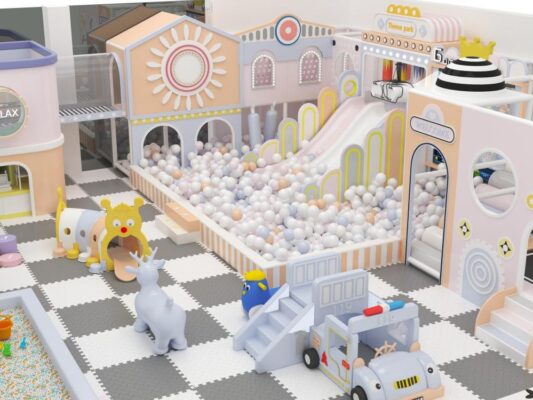
Indoor playgrounds offer another solution for preschools that need all-weather activities. Soft play equipment, foam obstacles, ball pools, crawling tunnels, and interactive play elements can create an engaging environment for younger children. These facilities are useful when outdoor space is limited or local weather restricts outdoor activities.
Themed Playground Solutions
Themed playgrounds can make a play space more distinctive. Popular concepts include forests, animals, castles, oceans, and colorful geometric patterns. Themes can be reflected in equipment shapes, decorative panels, and colors.
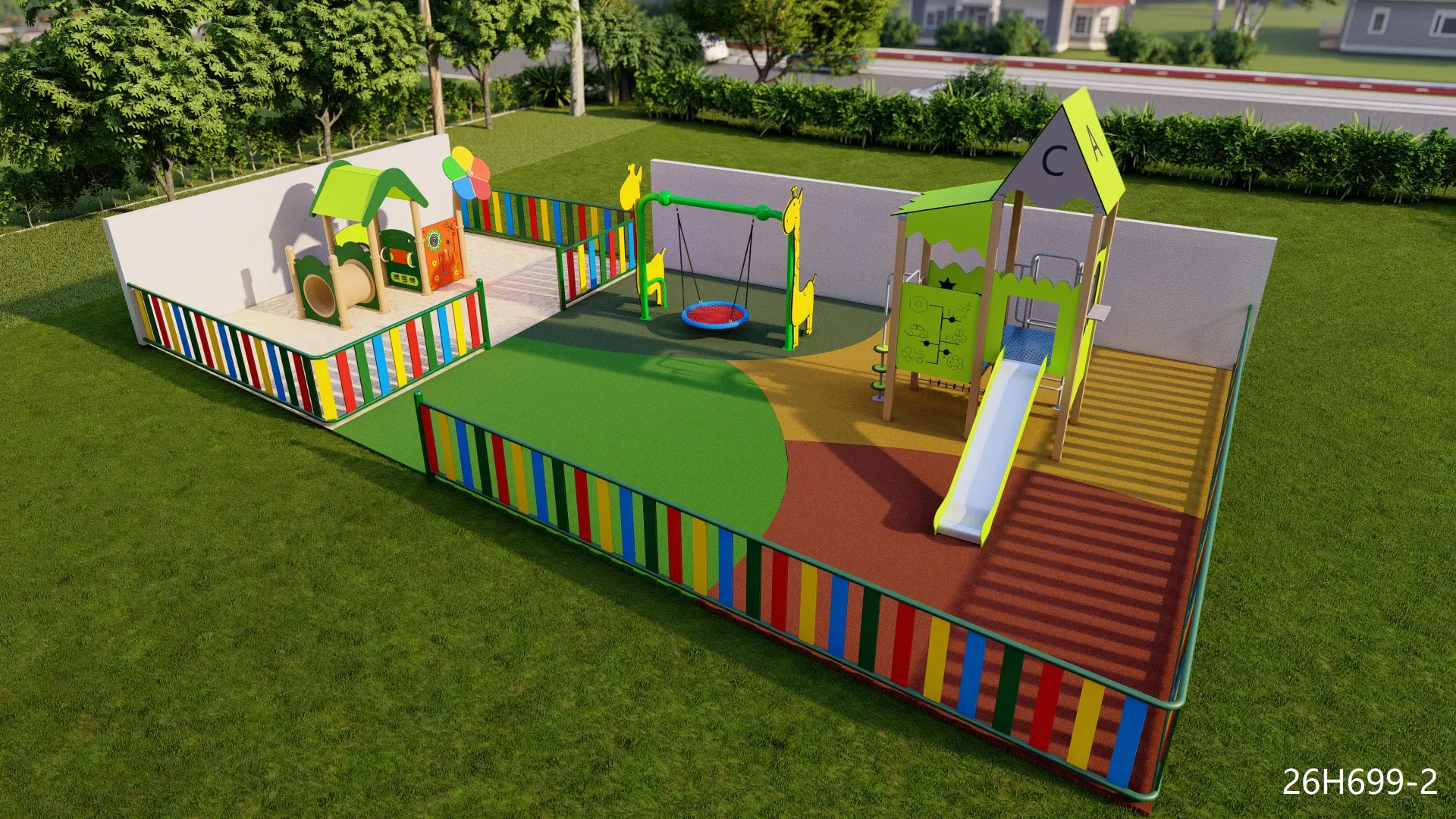
Lors de la planification toddler playground equipment, consider how children enter, move between activities, and leave each play area. Teachers should have clear views of the main activity zones, and children should be able to access equipment comfortably.
JQ provides customized indoor and outdoor playground solutions for schools, kindergartens, childcare centers, parks, hotels, and commercial venues. Customers can share site dimensions, reference pictures, or design ideas with our team to explore suitable preschool playground structures.
Durable Materials for Outdoor Playground Applications
Material selection is an important part of playground planning. Different components may use galvanized steel, PE boards, HDPE panels, and other engineering plastics. The appropriate combination depends on the structure, intended use, local climate, and project specifications.
Pour les acheteurs qui comparent preschool playground equipment, it is useful to request detailed information about panel thickness, surface finishing, UV resistance, structural connections, and maintenance requirements.
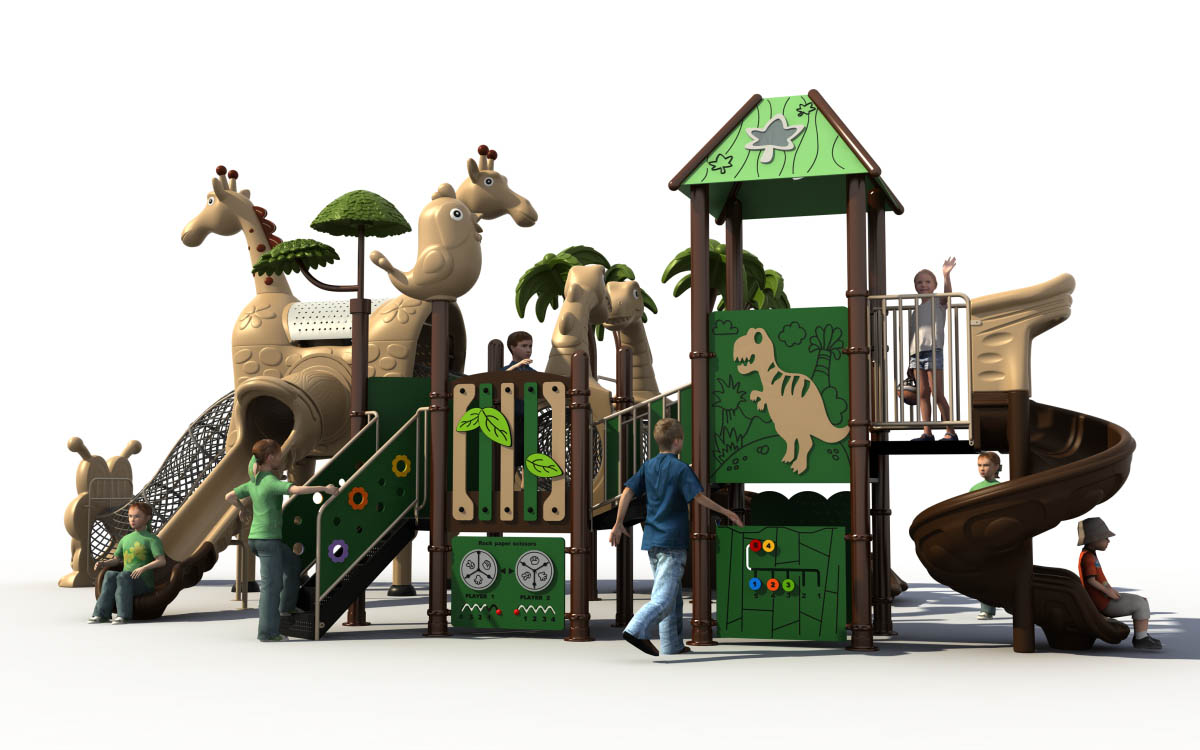
HDPE Playground Components
Suitable panel materials can contribute to colorful designs and practical outdoor playground applications.
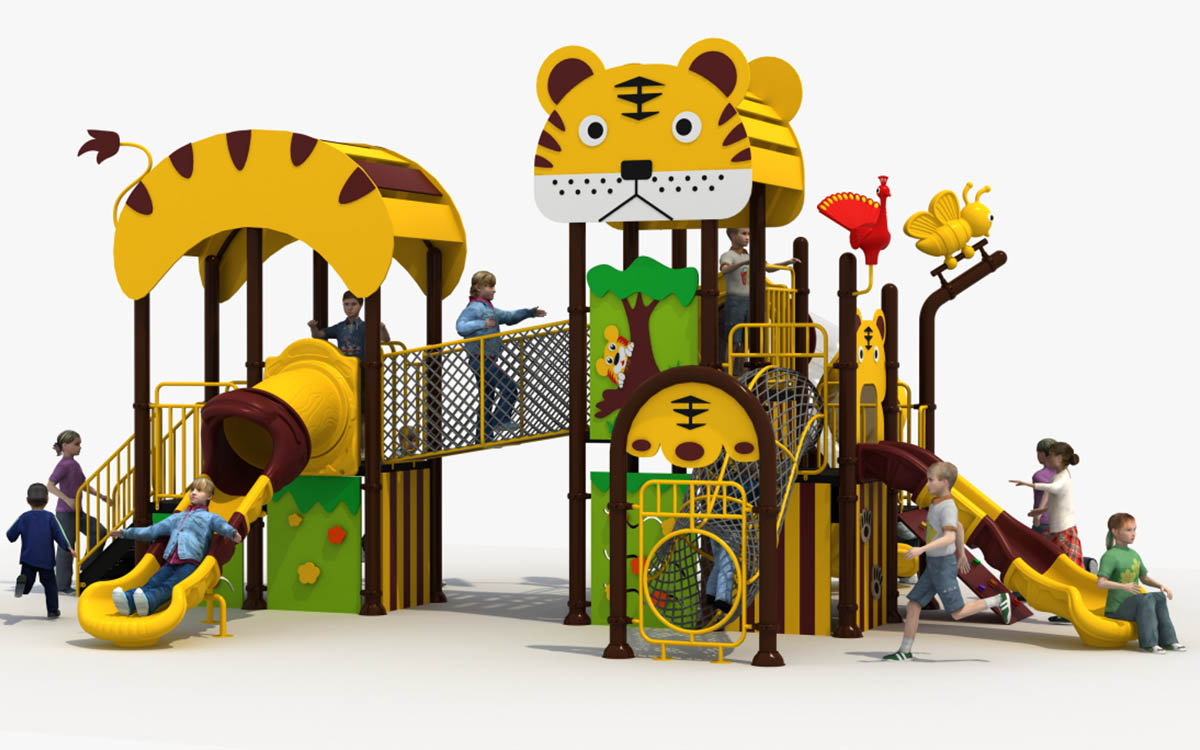
Outdoor Playground Materials
Material specifications should be evaluated according to product design, environmental conditions, and maintenance needs.
8. What Can Featured Projects and Global Installations Tell You?
Real project examples help buyers understand a playground manufacturer’s design and production capabilities. A rendering shows the initial concept, but completed installation photographs provide a clearer picture of how equipment looks in an actual environment.
When reviewing playground projects, compare the original design with the finished installation. Check whether the main structures, colors, decorative details, and activity combinations match the approved proposal. Also consider how the equipment fits the site and whether the layout provides enough space for children to move between activities.
Evaluate Age Suitability and Practical Design
For preschool projects, age suitability is particularly important. A beautiful playground may not be appropriate if its climbing elements, platform heights, or access points are too challenging for younger children. Reviewing real installations helps buyers understand the scale and practical use of different preschool playground structures.
Consider Different Project Environments
Global projects can also demonstrate how playground designs are adapted to different environments. Site dimensions, climate, customer preferences, and local safety requirements vary between countries. Materials and structural details may need to be selected accordingly.
International buyers can request project photographs, videos, product specifications, and references when available. Both design renderings and actual installation pictures help evaluate a supplier’s ability to turn an idea into a finished product.
JQ has supplied playground equipment for international projects, including schools, parks, commercial venues, and government developments. Our team works with customers to develop customized designs and coordinate manufacturing according to their requirements.
Whether you are planning a small kindergarten playground or a larger commercial development, reviewing completed projects can help you make better decisions about colors, materials, layouts, and equipment combinations. A useful project portfolio should demonstrate practical manufacturing experience, not just attractive design images.
9. What Should You Look for in Customer Reviews?
Customer feedback provides useful insight into a playground supplier’s products and services. For schools, distributors, and project developers, reviews can help evaluate whether a manufacturer communicates clearly, delivers according to specifications, and provides appropriate support throughout a project.
Product Quality and Manufacturing Consistency
Product quality is one of the first things to consider. Look for feedback about material consistency, structural quality, surface finishes, and whether finished equipment matches the approved design. These details are particularly important when purchasing customized preschool playground equipment for frequent daily use.
Communication and Problem-Solving
Communication is another important factor. International projects involve several stages, including design confirmation, quotation revisions, production updates, shipping coordination, and installation questions. Feedback about response times and problem-solving can help buyers understand how a supplier manages customer relationships.
Delivery, Packaging, and Installation Support
Delivery and packaging should also be considered. Customers may share whether products arrived in good condition, whether the packing list was accurate, and whether installation information was provided. For overseas projects, these details can make a difference to the purchasing experience.
When evaluating reviews, look for specific project feedback rather than relying only on general praise. Photographs, videos, and completed project references can provide additional evidence of a supplier’s experience. If possible, ask the manufacturer for customer references or examples of similar projects.
At JQ, we value long-term cooperation and customer feedback. We aim to support customers through clear communication, customized design, manufacturing coordination, and after-sales assistance. Each project helps us better understand customer expectations and improve our service.
The best supplier is not necessarily the one with the most positive comments. It is the one whose manufacturing capabilities, product quality, communication, and project support match your actual requirements. Evaluating these factors can help you choose reliable toddler playground equipment et preschool playground structures for your next project.
10. What Materials and Safety Details Should Buyers Check?
Material quality and safety planning directly influence the long-term performance of a commercial playground. Before ordering, schools and project developers should understand the materials used in different components and how the equipment is designed for regular outdoor use.
Check Structural Materials and Surface Finishes
Galvanized steel is commonly used for structural components because it provides a suitable foundation for outdoor playground construction when correctly specified and finished. PE and HDPE panels can be used for decorative elements, barriers, and other playground components. Different engineering plastics may also be selected for slides and activity features.
Lors de l'évaluation preschool playground equipment, request material specifications instead of relying only on product photographs. Buyers should check dimensions, thickness, finishing processes, connection details, and suitability for the intended environment.
Review Safety Zones and Impact-Attenuating Surfaces
A safe playground layout needs enough space around equipment. Slides, climbing structures, bridges, and moving components should be arranged according to their relevant safety requirements. Suitable impact-attenuating surfacing should be considered in areas where children may fall.
The appropriate surface may depend on equipment fall height, local standards, site conditions, and maintenance arrangements. Buyers should confirm these details during the design stage rather than waiting until installation.
Plan for Inspection and Routine Maintenance
Even well-manufactured preschool playground structures require regular inspection. Schools should establish maintenance procedures to check fasteners, structural connections, surfaces, moving parts, and impact-absorbing materials.
A practical maintenance plan helps identify wear, loose components, or damage before these issues become more serious. Inspection frequency should reflect actual usage, environmental conditions, manufacturer recommendations, and applicable local requirements.
A Practical Pre-Purchase Checklist
- Confirm the recommended age range.
- Review equipment dimensions and platform heights.
- Check material specifications and surface finishes.
- Confirm the required safety zones and ground surfacing.
- Review structural connections and installation instructions.
- Request relevant safety documentation.
- Confirm warranty coverage and maintenance recommendations.
11. Frequently Asked Questions About Preschool Playground Equipment
1. What Is the Best Playground Equipment for Children Aged 2 to 5?
Suitable options include low climbing platforms, small slides, tunnels, stepping activities, interactive panels, and themed playhouses. The right preschool playground equipment should match children’s physical abilities and provide different levels of play challenges without making activities unnecessarily difficult.
2. What Is the Difference Between Toddler and Preschool Playground Equipment?
Toddler equipment generally focuses on simpler activities, lower access points, and easier movement for younger children. Preschool equipment can provide a wider range of climbing, balancing, sliding, and interactive activities for children with more developed physical abilities. Both should be selected according to the recommended age range and applicable safety requirements.
3. Can Preschool Playground Structures Be Customized?
Yes. Manufacturers can customize layouts, colors, themes, activity combinations, and dimensions according to the available site and project requirements. Customized preschool playground structures can be developed for kindergartens, childcare centers, schools, parks, and other commercial venues.
4. What Information Is Needed for a Playground Quotation?
Buyers should prepare site dimensions, target age groups, estimated user numbers, preferred activities, design references, budget, and project location. Providing CAD drawings or site photographs can help manufacturers develop a more accurate design and quotation.
5. How Do I Choose a Reliable Playground Equipment Manufacturer?
Compare manufacturing experience, customization capabilities, material specifications, quality control, project references, warranty terms, and international export experience. Ask for detailed quotations and relevant documentation before making a purchasing decision.
6. Can JQ Provide Complete Playground Design and Manufacturing Services?
JQ provides playground design communication, customized product development, manufacturing, and export coordination. Customers can share their site dimensions, reference pictures, preferred themes, and project budgets to discuss suitable toddler playground equipment and other commercial playground solutions.
Conclusion
The right preschool playground combines age-appropriate activities, thoughtful layouts, durable materials, and reliable manufacturing. For schools and childcare centers, a successful playground should support children’s physical development, social interaction, imagination, and everyday learning.
From compact outdoor play areas to larger customized commercial projects, carefully selected preschool playground equipment, toddler playground equipmentet preschool playground structures can help create engaging environments for children aged 2 to 5.
Planning a Preschool Playground Project?
JQPlayground has been manufacturing playground equipment since 1995. Our team can help you explore customized designs, suitable materials, and practical playground solutions for your school or commercial project.


 Français
 English
 Español
 Deutsch
 Português