


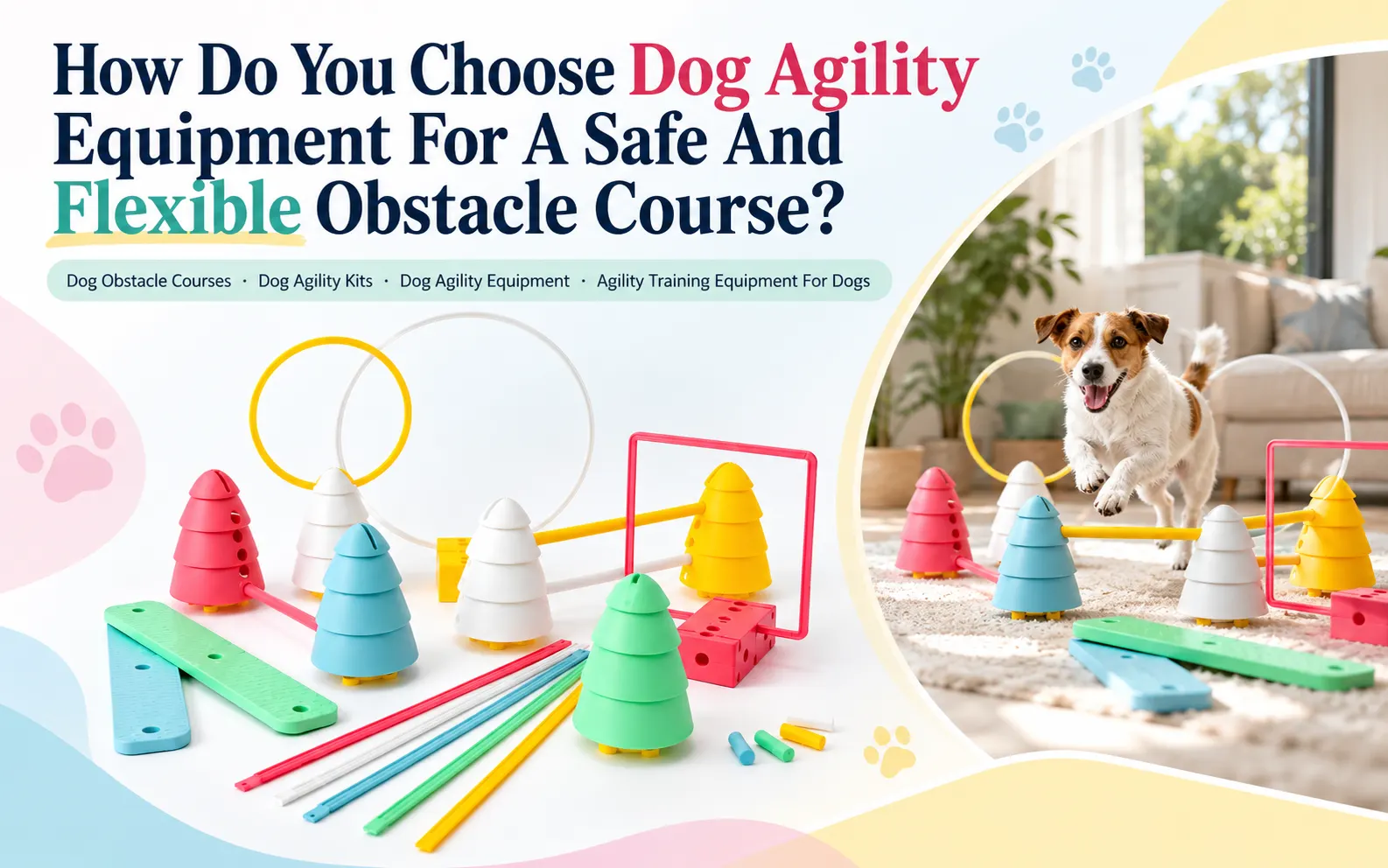
Buying equipment for a dog activity area looks simple until you discover how differently dogs move, learn, and respond to obstacles. A poorly chosen setup can waste money, overwhelm beginners, create unnecessary maintenance, or expose dogs to avoidable injuries. This becomes even more serious for pet businesses serving dogs of different sizes and abilities. The solution is not automatically buying more obstacles. It is choosing Dog Agility Kits that match the dogs, available space, training goals, and operating environment. This guide explains what matters before you invest.
The best Dog Agility Equipment matches a dog’s physical ability, training level, and intended environment. Beginner Dog Obstacle Courses can combine low-impact balance activities, simple stepping routes, tunnels, and adjustable challenges. Buyers should check surface grip, stability, obstacle spacing, weather suitability, supervision needs, and maintenance requirements. For commercial facilities, modular Agility Training Equipment For Dogs can offer flexible layouts, easier expansion, and activities for different skill levels without requiring a full competition-standard course.
🐾 Start with what your dogs actually need, then build a course that makes sense.
What Should Beginners Expect From Dog Obstacle Courses?
The first question is not how many obstacles a course contains. It is what the dog should learn from using them. A beginner needs opportunities to explore unfamiliar surfaces, follow simple handler cues, step carefully, and develop confidence. Starting with complicated equipment can turn a potentially enjoyable activity into an unnecessarily stressful experience.
Traditional agility courses often feature tunnels, jumps, weave poles, and advanced contact obstacles. However, recreational Dog Obstacle Courses can start with simpler tasks such as walking between markers, placing paws on low stable platforms, or following a gently curved path. These exercises encourage controlled movement before speed becomes a priority.
Start With Confidence, Not Speed
Consider a dog entering a pet activity room for the first time. It may hesitate beside an unfamiliar platform. Instead of immediately asking it to jump, a handler can reward approaching the object, touching it with one paw, and eventually stepping onto it voluntarily. That small progression is often more useful than completing several difficult obstacles without confidence.
Owners considering Dog Agility Kits should therefore look for equipment that supports short, repeatable exercises and adjustable challenge levels. Recreational training also benefits from variety: one session may emphasize careful stepping, while another introduces direction changes or basic tunnel confidence.
Practical Starting Point: Build a short route with two or three approachable activities. Let the dog succeed comfortably before increasing complexity.
A useful beginner setup should be easy to understand, easy to rearrange, and compatible with the dog’s size. When those conditions are met, Dog Agility Equipment becomes a teaching tool rather than simply a collection of physical challenges.
Which Components Belong in Dog Agility Kits?
Equipment selection becomes easier when buyers separate movement activities into categories. Different obstacles develop different skills, and not every dog needs every category. For example, a family seeking interactive backyard play may appreciate a compact training route, while a professional agility club may require regulation-compatible jumps and contact obstacles.
Understand the Main Equipment Categories
Low platforms, stepping stations, and guided pathways encourage deliberate paw placement and body awareness.
Adjustable jumps and suitable tunnels introduce movement sequences, directional cues, and controlled obstacle navigation.
Weave poles, A-frames, dog walks, and seesaws require more specialized instruction and careful equipment selection.
Jumps are useful when the dog is physically ready for them, but they should not dominate every beginner session. Tunnels can encourage confidence when properly stabilized. Weave poles demand coordination and patience, while elevated contact equipment introduces additional risks that deserve professional supervision.
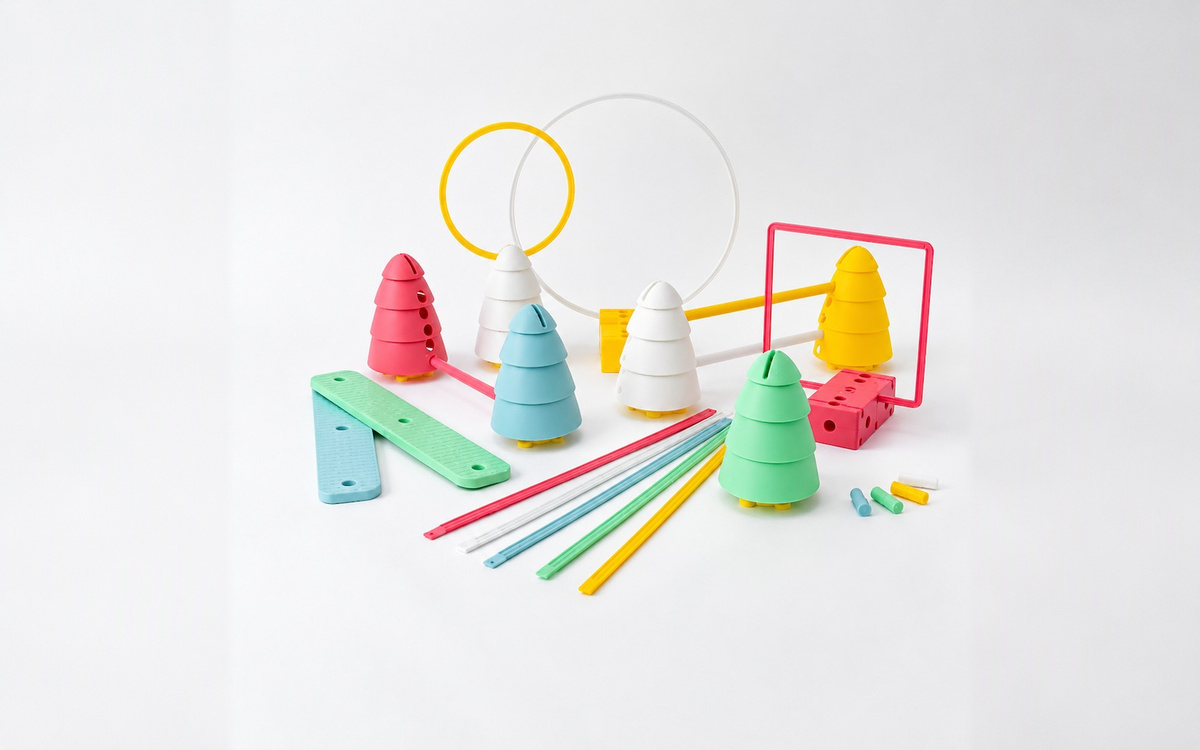
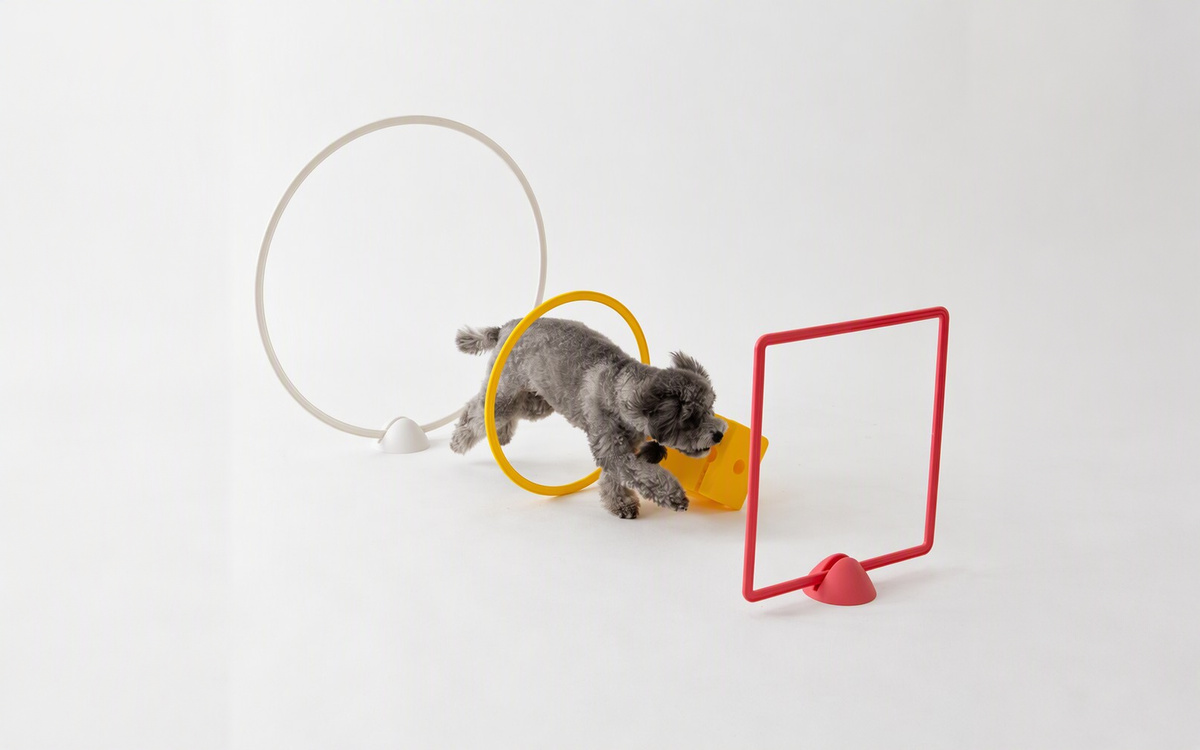
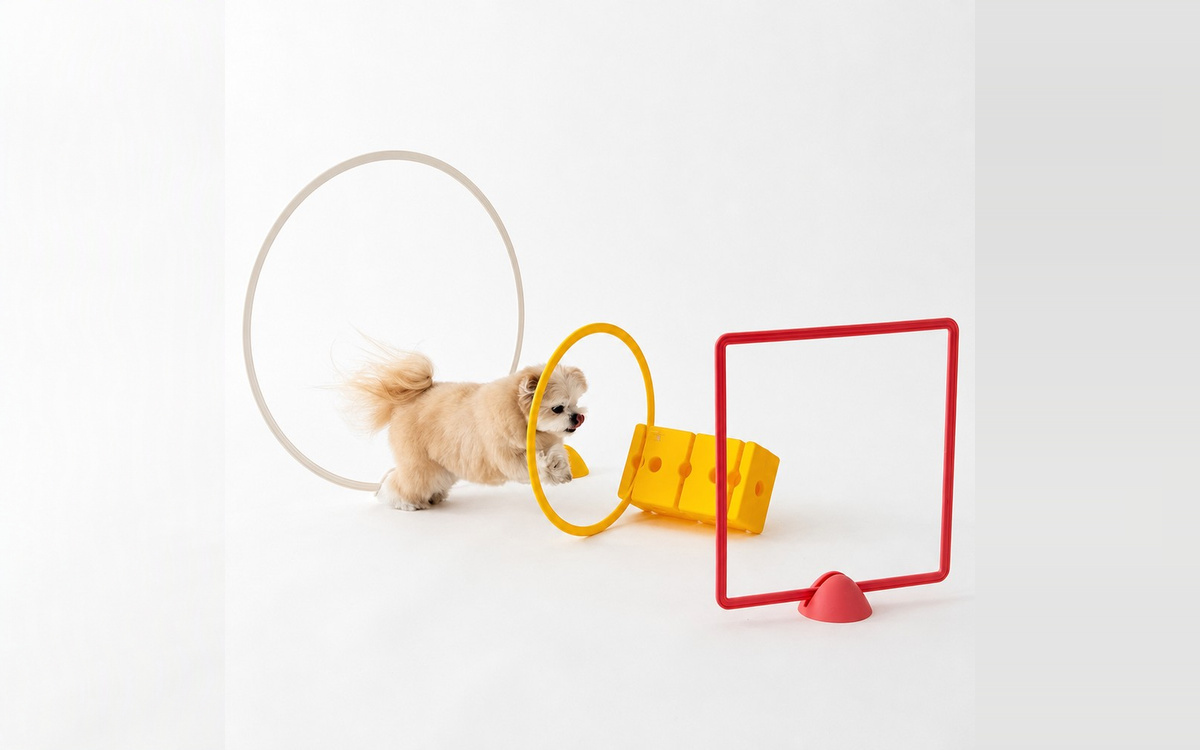
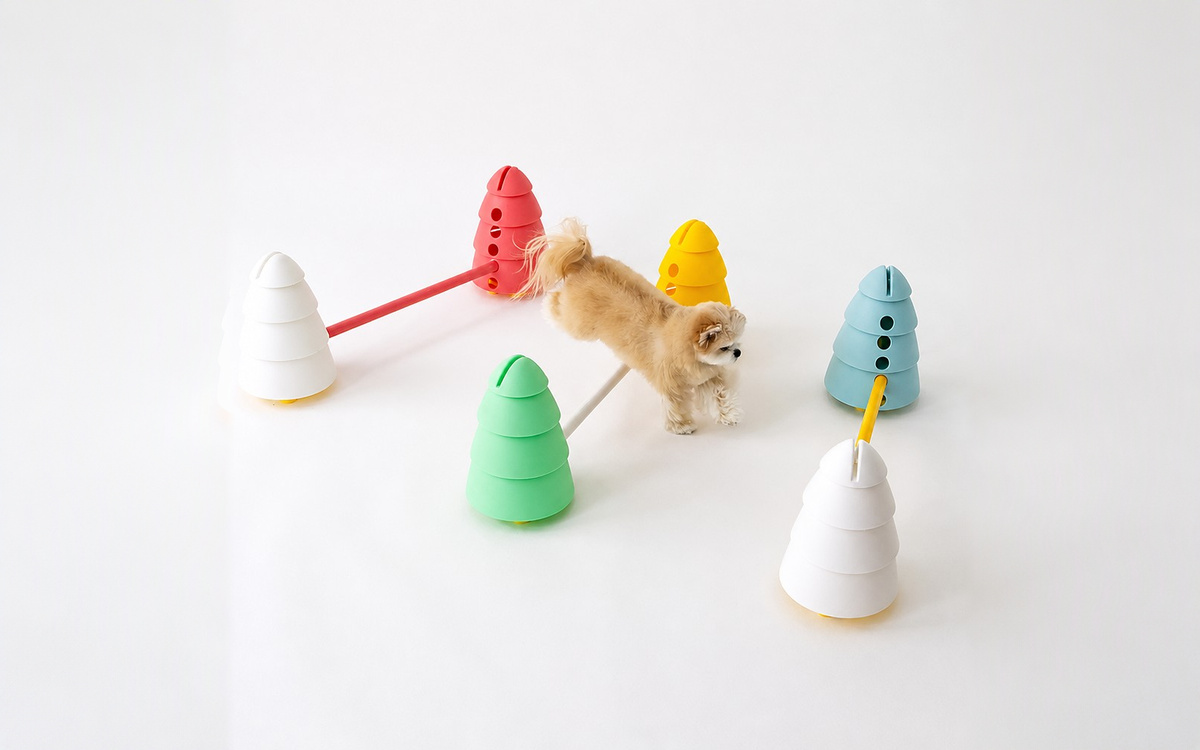
Balance-focused Dog Agility Kits provide another option. These sets can emphasize controlled stepping, body positioning, and route exploration rather than jumping speed. They are especially relevant to recreational pet spaces where visitors may not be preparing for formal competitions.
When comparing Agility Training Equipment For Dogs, ask whether components can be used independently or combined into a larger circuit. A flexible arrangement allows operators to introduce easier stations for inexperienced dogs while reserving more challenging activities for appropriate users.
Remember that a product advertised as a complete set may still be designed for only one training purpose. Check the actual component list rather than relying on the word “complete.” The right combination creates useful progression without forcing customers to purchase unnecessary equipment.
How Is Balance Training Different From Competition Agility?
Two products may both be described as agility equipment while serving very different purposes. This distinction matters to consumers and professional purchasers alike. Traditional competition agility emphasizes accurately navigating a prescribed sequence of obstacles, often involving speed, jumping, weaving, and specialized contact movements.
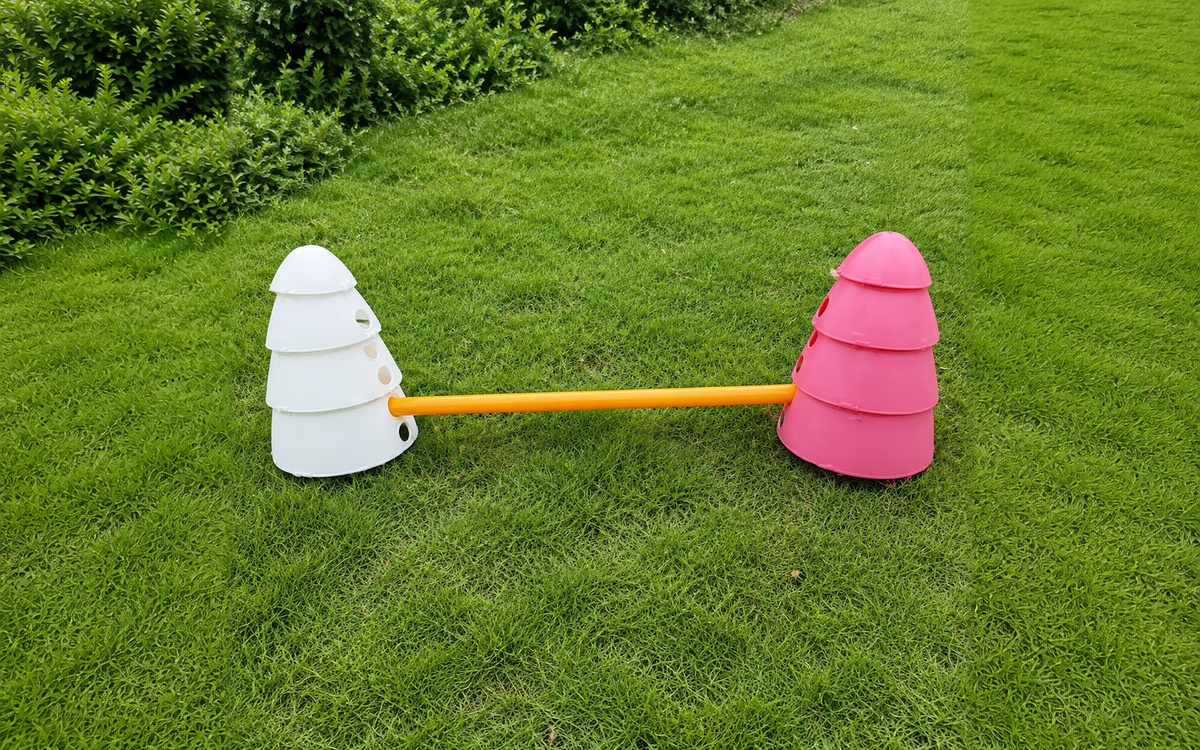
Balance-oriented activity equipment focuses more closely on controlled movement, deliberate stepping, spatial awareness, and handler-guided exploration. A dog may spend several seconds carefully moving between platforms rather than trying to complete a timed obstacle sequence.
Compare the Intended Training Outcomes
| 🐾 Consideration | Balance Activity Sets | Competition Agility Sets |
|---|---|---|
| Primary Focus | Controlled stepping and coordination | Obstacle accuracy and handling skills |
| Typical Activities | Platforms, balance routes, directional stepping | Jumps, tunnels, weave poles, contact obstacles |
| Common Users | Recreational pet spaces and guided training | Training clubs and competitive teams |
| Layout Priorities | Controlled movement and flexible stations | Regulation dimensions and running sequences |
Neither approach is automatically better. A dog training school might use both, introducing basic body-awareness exercises before progressing to specialized agility instruction. A pet café, however, may prioritize accessible recreational activities over formal sport performance.
This difference also affects procurement. Commercial Dog Obstacle Courses designed for guided recreation are not automatically compliant with competition regulations. Buyers preparing for official trials should verify dimensions and requirements against the rules of their chosen governing organization.
JQPlayground’s balance-oriented Dog Agility Equipment is particularly relevant to pet activity zones, community facilities, and commercial recreational environments. Its configurable design approach allows buyers to discuss different activity arrangements without assuming that every installation must resemble a competition course.
The useful purchasing question is therefore not whether a product looks professional. It is whether its movement challenges match the actual purpose of the venue.
Can Puppies, Senior Dogs, and Different Breeds Use the Same Equipment?
Dogs do not become suitable for an exercise simply because they can physically complete it. Age, body structure, conditioning, confidence, and medical history all influence which activities are appropriate. A young, energetic dog may appear eager to jump, but developing joints and growth plates require special consideration.
Puppies can learn useful foundation skills through low-impact activities, attention games, and carefully supervised exploration. Repetitive high jumps, forceful twisting, and demanding contact obstacles should be postponed until the dog is physically mature and a veterinarian or qualified trainer considers the activity appropriate.
Adapt the Challenge to the Individual Dog
Senior dogs may still enjoy participating in interactive sessions, particularly when movement requirements are gentle. However, a dog with arthritis, previous injuries, poor balance, or discomfort may need a modified activity plan or veterinary guidance. These products should not be presented as medical rehabilitation equipment unless specifically assessed for that purpose.
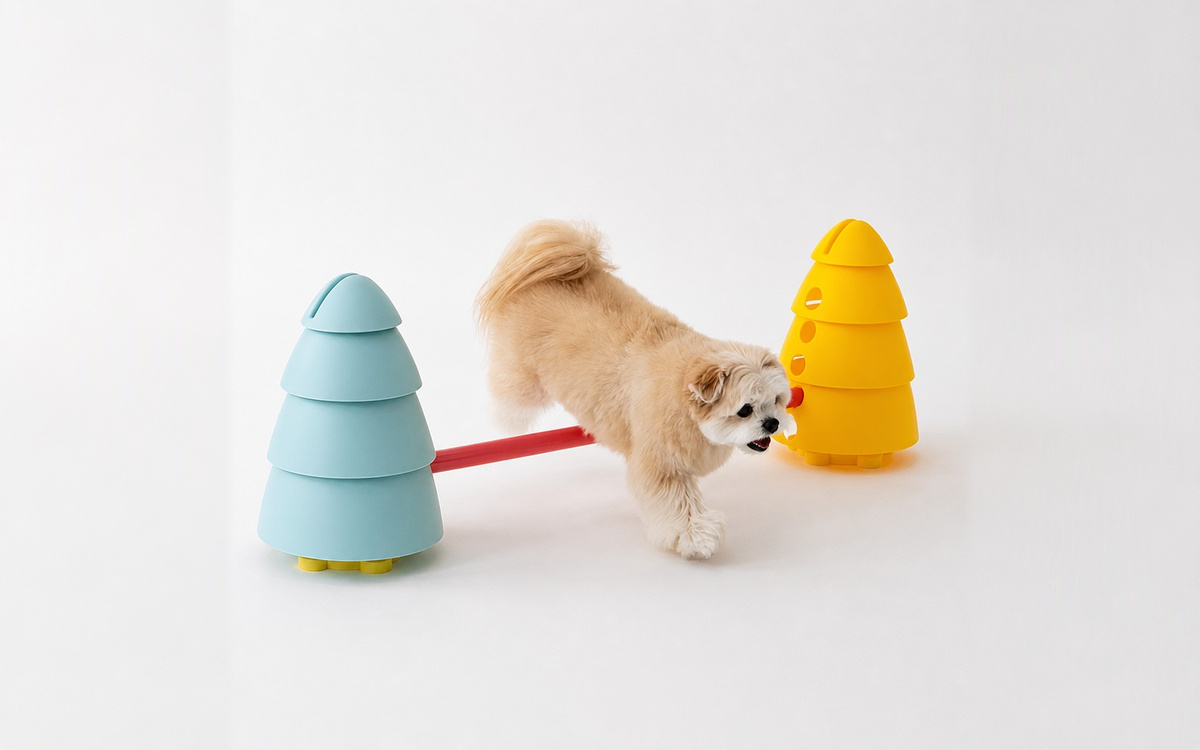
Body proportions also matter. Small dogs may need shorter distances between stepping stations, while larger dogs require sufficient platform dimensions and turning clearance. Breeds with different movement patterns should not be expected to follow identical routes at identical speeds.
When selecting Dog Agility Kits for a mixed-use facility, prioritize options that can be adjusted or rearranged. Simple, low-level activities can be offered separately from physically demanding obstacles. This makes supervision easier and helps staff explain appropriate activities to visitors.
Buyers of commercial Agility Training Equipment For Dogs should also consider different entry routes and activity levels rather than making every dog complete the same circuit.
Veterinary advice and qualified training guidance are especially important for puppies, senior dogs, dogs with health conditions, and any dog beginning intensive agility exercise.
The goal is not to exclude dogs unnecessarily. It is to make participation appropriate, voluntary, and enjoyable for each individual animal.
How Do You Teach a Dog to Complete a Course Without Rushing?
Good obstacle training begins before the dog crosses its first obstacle. A handler needs a way to communicate direction, reward voluntary participation, and recognize when the dog is uncertain. Treats, toys, praise, and short breaks can all support positive reinforcement when used appropriately.
Instead of assembling an elaborate route immediately, begin with one simple activity. Allow the dog to investigate the object without pressure. Reward calm interaction, then gradually encourage a specific movement. Only connect multiple tasks when the dog understands each one individually.
A Simple Five-Step Training Progression
Step 1 — Explore: Let the dog approach and investigate the stationary equipment at its own pace.
Step 2 — Reward: Reinforce small successful actions, such as looking at, touching, or stepping toward the obstacle.
Step 3 — Introduce Movement: Ask for one comfortable action, such as stepping onto a low stable platform.
Step 4 — Connect Activities: Combine two familiar stations using consistent verbal and visual cues.
Step 5 — Build Variety: Change the route gradually while maintaining achievable challenges and regular breaks.
Well-designed Dog Obstacle Courses allow handlers to change the order of activities without changing every piece of equipment. For example, two stepping stations can form a straight route during one session and a gentle directional challenge during another.
Training sessions should remain short enough to preserve enthusiasm and safe movement quality. Watch for reluctance, repeated slipping, excessive panting, fatigue, or frustration. These signs suggest that the dog needs a break or that the exercise should become easier.
When choosing Dog Agility Equipment, consider how easily trainers can reset or separate obstacles between participants. Practical adjustability encourages consistent training rather than forcing dogs to adapt to unsuitable layouts.
Ultimately, a successful session should leave the dog willing to participate again. Confidence, clear communication, and safe repetition provide a stronger foundation than completing the course as quickly as possible.
How Should You Plan Indoor, Backyard, and Commercial Layouts?
The same equipment arrangement rarely works equally well in every environment. A residential garden, an indoor training studio, and a public dog park have different circulation patterns, operating conditions, and supervision requirements. Effective planning begins with understanding how dogs and handlers enter, move through, and leave the activity space.
Three Common Installation Scenarios
Prioritize manageable dimensions, storage, simple rearrangement, and enough room for safe approaches and exits.
Evaluate floor grip, cleaning routines, noise, ventilation, lighting, and comfortable waiting space.
Consider traffic flow, durable installations, supervision, clear signage, and separation of incompatible users.
For smaller spaces, modular Dog Agility Kits may provide better flexibility than a fixed, complicated arrangement. A compact circuit can feature a small number of purposeful activities while leaving enough unobstructed space for the handler to guide the dog.
Larger commercial Dog Obstacle Courses benefit from separate activity areas. Beginners and experienced dogs may require different challenge levels, while small and large dogs may need distinct layouts or supervised usage schedules.
Indoor facilities should pay particular attention to floor traction. Outdoor locations need additional consideration for drainage, heat exposure, weather conditions, and material suitability. Equipment should not obstruct emergency access, entrances, or pedestrian circulation.
When discussing a custom project, provide the manufacturer with site measurements, photos, installation conditions, expected user groups, and a preferred activity style. JQPlayground can discuss configurations, colors, and layout options for its balance-oriented Agility Training Equipment For Dogs.
Allow clear approach and exit paths around every station. Dimensions must be evaluated against the actual dog sizes, activities, equipment, and applicable site requirements.
What Makes Agility Training Equipment For Dogs Safe for Daily Use?
Attractive colors and interesting shapes can draw attention, but daily equipment safety depends on less visible details. Buyers should evaluate whether the structure remains stable during intended use, whether contact surfaces provide suitable traction, and whether exposed edges or connections create avoidable hazards.
The appropriate design also depends on the activity. A low stepping station has different structural requirements from a jumping obstacle or elevated dog walk. Equipment should be evaluated for its intended load, installation method, and operating environment rather than judged only by appearance.
Check These Details Before Purchasing
- Grip: Contact surfaces should provide suitable traction without uncomfortable sharp textures.
- Stability: Components should resist unintended movement, tipping, or displacement.
- Edges: Accessible corners, fasteners, and joints should be reviewed for injury risks.
- Materials: Request information about composition, finishes, weather resistance, and cleaning compatibility.
- Installation: Confirm whether the equipment requires anchoring, assembly, or professional installation.
- Inspection: Establish a routine for checking wear, cracks, loosened connections, and surface deterioration.
For outdoor Dog Agility Equipment, temperature is another consideration. Some surfaces can become uncomfortably hot in direct sunlight. Operators should inspect the actual contact surfaces before allowing dogs to use them, especially during warm weather.
Buyers should request product-specific documentation where applicable. A manufacturer’s general company credentials, patents, or certificates do not automatically prove that every individual product satisfies a particular dog agility safety standard.
JQPlayground offers manufacturing support and identifies patent documentation associated with its pet agility balance products. Commercial purchasers of Dog Agility Kits should request the relevant specifications and available documentation for the exact proposed configuration.
Confirm applicable standards, test reports, material specifications, and installation requirements for the actual product and destination market. Do not treat a patent certificate as a safety certification.
Consistent maintenance is equally important after installation. Clean surfaces according to supplier guidance, remove damaged components from service, and review conditions regularly. Safety is an ongoing operating responsibility, not simply a feature purchased on the first day.
Should You Choose a Portable Kit or a Customized Commercial Setup?
Buyers often compare equipment prices before considering operating requirements. A portable kit may appear economical, but the correct choice depends on how frequently the equipment will be used, who will use it, and whether the layout is expected to change.
Portable systems are commonly associated with home practice, temporary activities, and supervised training sessions. Their main advantages can include convenient storage, easier transport, and the ability to rearrange individual components. However, portability should never be confused with suitability for unattended public use.
Customized installations are more relevant to pet resorts, community developments, dog parks, and commercial recreation venues requiring coordinated designs or particular site dimensions. These projects may need additional attention to anchoring, traffic flow, maintenance access, and long-term replacement planning.
| Buying Factor | Portable Equipment | Customized Installation |
|---|---|---|
| Typical Application | Home or supervised temporary training | Commercial and planned pet recreation spaces |
| Configuration | Usually predefined components | Selected to suit project requirements |
| Storage | Often easier to move and store | May require a dedicated installation area |
| Project Planning | Basic product selection | Site layout, installation, and documentation review |
| Purchasing Focus | Functionality and convenience | Lifecycle value and operating suitability |
For commercial buyers, the purchase price is only part of the budget. Freight, packaging, installation, surface preparation, spare parts, routine cleaning, and potential replacement costs can affect total project expenditure.
When evaluating customized Dog Agility Kits, ask the supplier to separate included components from optional accessories and installation services. This avoids comparing quotations that appear similar but cover different scopes.
A good purchasing decision balances initial cost with safe operation, useful activities, and long-term practicality. Agility Training Equipment For Dogs should fit the project rather than force the project to accommodate unsuitable products.
What Should Buyers Ask a Dog Agility Equipment Manufacturer Before Ordering?
A useful supplier discussion begins with project requirements rather than a request for the lowest unit price. Buyers should first explain the intended application, estimated site size, expected users, preferred activities, and whether the equipment will be installed indoors or outdoors.
From there, ask for a detailed quotation showing the exact components, dimensions, material descriptions, finish options, packaging information, and available customization. If installation or anchoring is needed, clarify who is responsible and what technical information will be provided.
Questions Worth Asking Before Paying a Deposit
- Which products are suitable for the intended dog sizes and training activities?
- Can individual components, layouts, or colors be customized?
- What materials and surface finishes are used?
- What product-specific documentation is available?
- What is the minimum order quantity for the selected configuration?
- How are production time, packaging, and shipping calculated?
- What warranty terms and replacement-part support apply?
JQPlayground has operated since 1995 and manufactures playground and pet activity equipment. Its pet agility product range includes balance-focused training solutions, with customization discussions available for configurations, colors, and project layouts.
For buyers seeking commercial Dog Obstacle Courses, direct manufacturer communication can help clarify which activities a proposed set actually supports. This is particularly useful for distributors, contractors, pet facility operators, and project purchasers who require consistent specifications.
Product-specific patents and factory credentials may support supplier evaluation, but buyers should independently confirm the documents relevant to their order. Request clear production and delivery terms rather than relying on generalized marketing promises.
Share your country, project type, approximate dimensions, preferred equipment, estimated quantity, and required delivery destination. These details help suppliers prepare a more relevant proposal.
Frequently Asked Buying Questions
🐶 Do I Need a Full Competition Course for a Pet Café?
No. A recreational pet café may benefit more from compact, supervised, balance-focused activities. The appropriate design depends on available space, user groups, operating procedures, and local requirements.
🌳 Can the Equipment Be Used Outdoors?
Outdoor suitability depends on the specific model, material specification, installation method, climate, and maintenance requirements. Request confirmation for the exact product before installation.
🎨 Can I Request Customized Colors and Layouts?
JQPlayground offers discussions about color, style, and configuration customization. Available options, minimum order quantities, and costs should be confirmed for the proposed design.
🏅 Are Recreational Training Sets Competition Approved?
Not automatically. If formal competition is your goal, confirm equipment dimensions and specifications against the applicable organization rules before ordering.
The most reliable purchasing process gives buyers enough information to understand exactly what is being supplied. This matters whether you are ordering one activity area or developing several commercial pet recreation locations.


 English
 Español
 Français
 Deutsch
 Português