


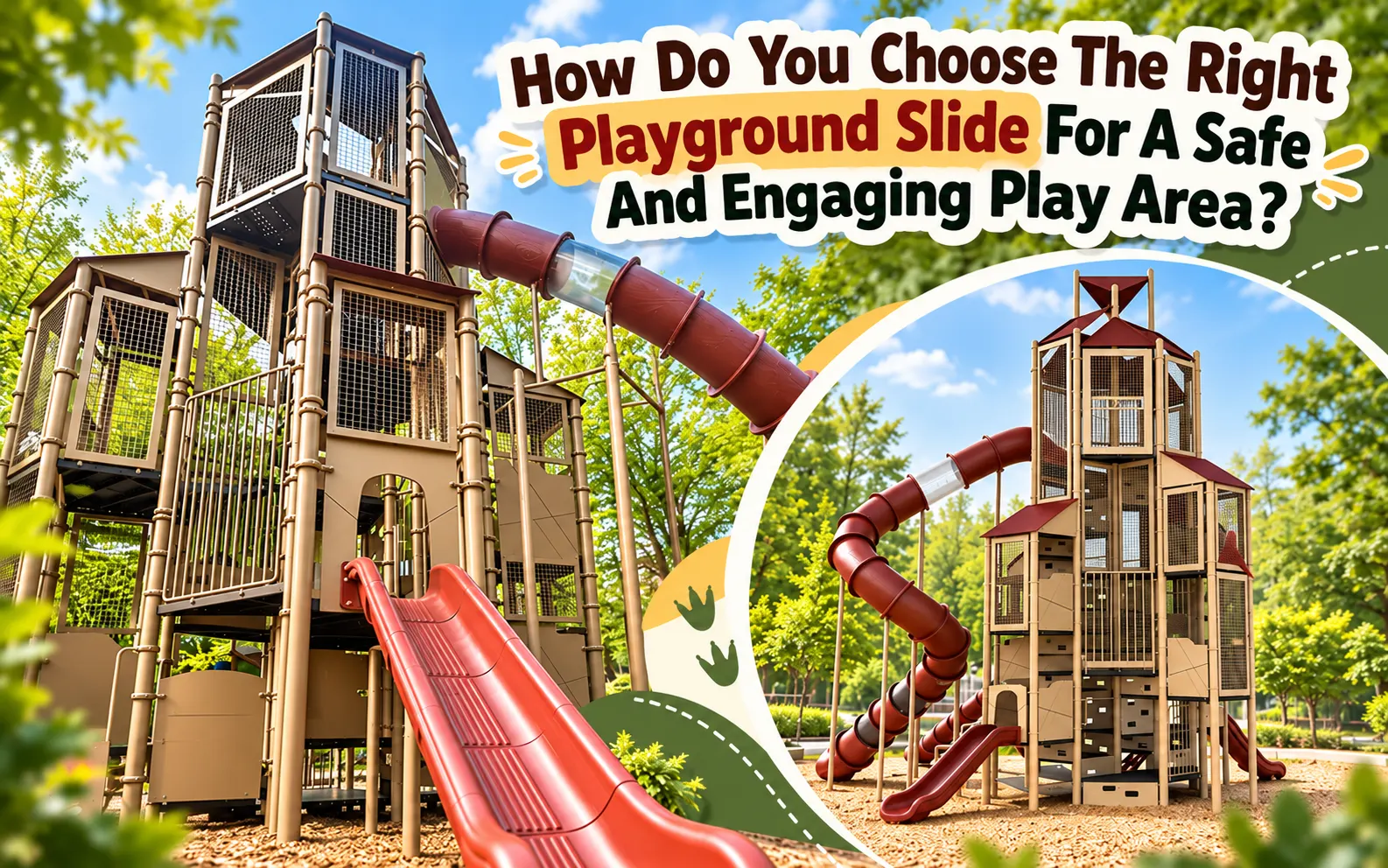
Choosing a playground slide becomes difficult when age range, deck height, available space, safety, and durability must work together. A poor choice can cause installation problems, uncomfortable sliding, frequent maintenance, or an unbalanced play area. JIQI helps customers compare outdoor slides and tube slides according to actual project conditions, providing practical slide solutions for parks, schools, communities, resorts, shopping centers, and other commercial spaces.
A suitable playground slide should match the users’ ages, platform height, site dimensions, expected traffic, and desired play experience. Open outdoor slides provide visibility and straightforward supervision, while enclosed tube slides create a more immersive ride. Buyers should also evaluate material quality, entrance and exit geometry, supports, protective surfacing, installation requirements, drainage, and maintenance access. Together, these factors help create safer play and stronger long-term equipment value.
The following questions will help you balance playground slide safety, excitement, durability, maintenance, and visual appeal.
What Types Of Playground Slides Are Available?
A playground slide can be designed in several shapes and configurations. Straight slides provide a simple route that children can understand easily. Wave slides introduce gentle changes in slope and make the ride feel more dynamic. Curved and spiral open models extend the journey and can become eye-catching features. Double slides allow children to play beside one another, increase capacity, and encourage social interaction.
Enclosed Routes And Deck Connections
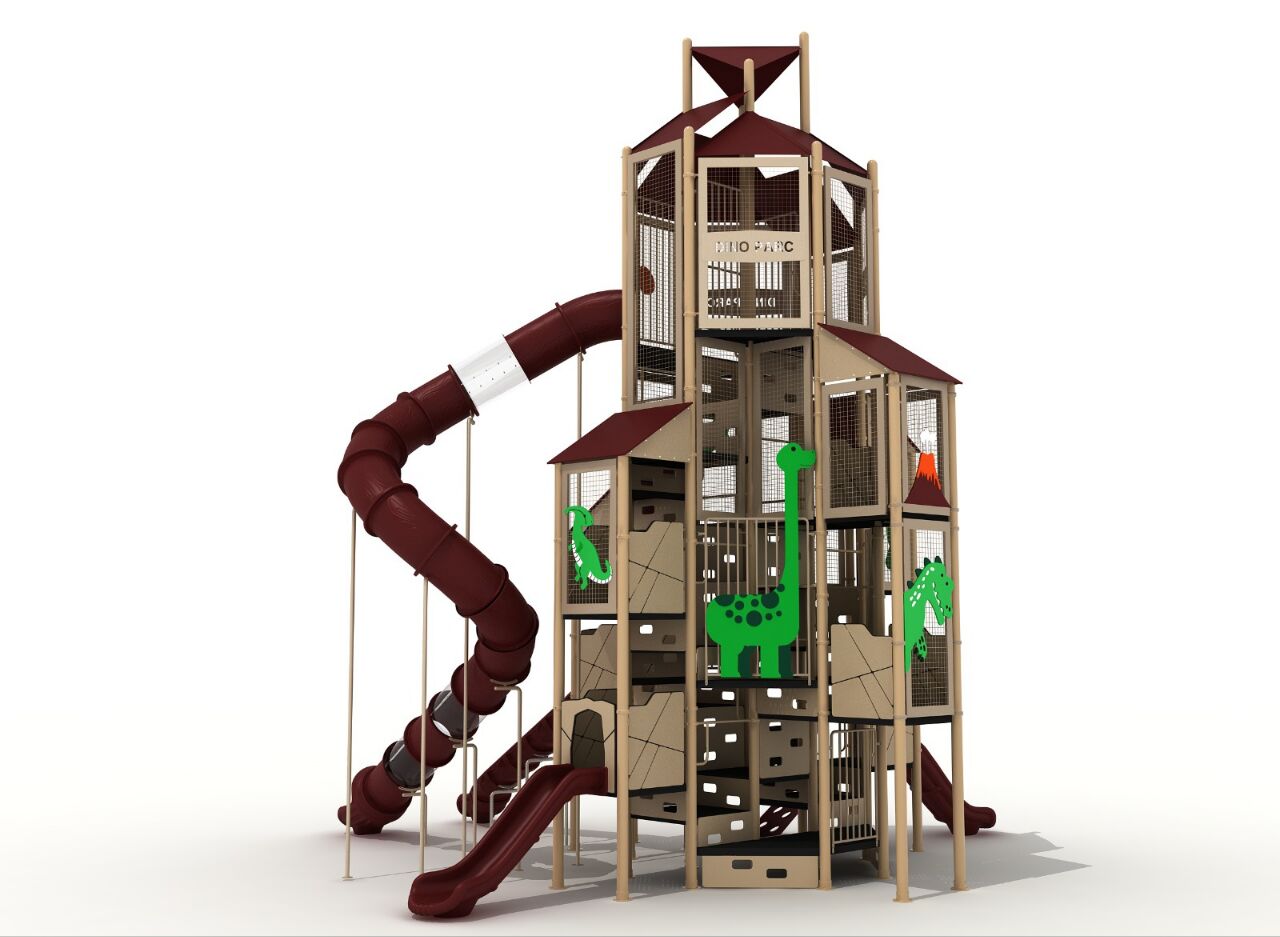
Tube slides use an enclosed structure to create anticipation and adventure. Depending on platform height and available space, they can follow straight, curved, or spiral routes. Open outdoor slides are often preferred when clear visibility and direct supervision are priorities, while enclosed slides add variety to taller structures and themed playgrounds. Freestanding slides include their own access, platform, and supports; component slides connect to an existing tower or deck.
The best playground slide type depends on the project. Schools may prioritize visibility, capacity, and simple maintenance. Public parks often need durable equipment for frequent use. Commercial venues may want colorful enclosed slides that create a recognizable attraction. JIQI can coordinate slide shape, route, color, deck connection, and play value with the complete playground layout, helping every slide function as part of a balanced system instead of an isolated feature.
Which Playground Slide Configuration Fits Your Project?
Selecting the correct slide configuration begins with platform height. Each design should connect to a compatible deck so the entrance, slope, supports, and exit operate as intended. A slide made for a low platform should not be adapted casually to a taller structure. Accurate measurements reduce connection problems and help the equipment fit the planned location without unnecessary structural changes.
Available space is equally important. Straight outdoor slides need enough linear distance between the platform and exit. Curved and spiral models arrange the route differently and may suit projects requiring a compact or visually dynamic layout. Tube slides require adequate space for each section, curve, support, and landing area. The surrounding use zone should remain clear of walls, paths, moving equipment, and other obstacles.
Expected traffic also affects configuration. A single playground slide may work in a small play area, while double slides can increase capacity and encourage shared play. Schools, parks, communities, resorts, and commercial venues require different combinations of visibility, challenge, and throughput. JIQI evaluates the site plan, target users, play theme, deck height, and budget before recommending slide options or enclosed models, helping access, sliding, landing, and circulation work together efficiently.
How Do You Choose Outdoor Slides For Different Age Groups?
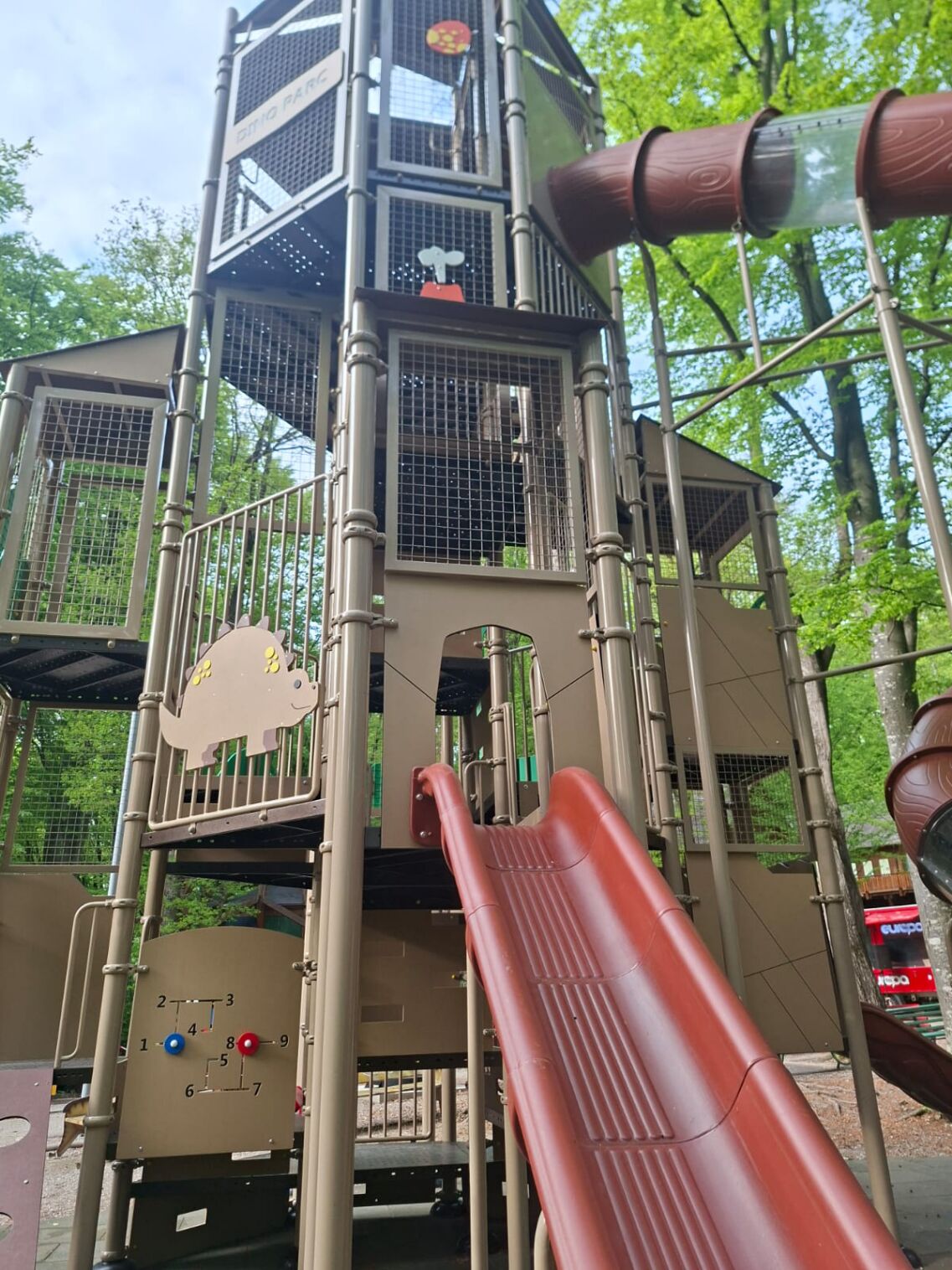
Children at different developmental stages need different levels of challenge. For younger users, a playground slide should generally have a lower platform, secure handholds, manageable steps, a smooth bedway, and a gentle exit. These features support confidence and supervision. Older children may enjoy longer open models, wave profiles, curved routes, spiral designs, or enclosed versions that provide more movement and excitement.
Age suitability should influence more than height. Designers should consider how children reach the platform, wait for a turn, enter a seated position, travel through the route, and leave the landing area. The slide should connect with access activities intended for the same age group. Difficult climbing equipment combined with a slide for younger users can create an inconsistent play experience.
A playground can provide several challenge levels instead of relying on one design. A low open playground slide can support beginners, while taller open slide designs or enclosed tube slides give confident users more variety. Clear circulation reduces crowding and simplifies supervision. JIQI considers age ranges, user capacity, deck layout, and play progression when developing slide solutions. Matching equipment to children’s abilities creates a more inclusive environment with an appropriate balance of comfort, challenge, and enjoyment.
How Much Space Do Outdoor Slides Need?
The space required for outdoor slides includes more than the bedway length. A complete plan should account for the platform connection, access route, support structure, slide path, exit area, protective surfacing, and circulation around the equipment. Measuring only the slide can create conflicts with nearby paths, fences, walls, landscaping, or other activities during installation.
Straight outdoor models usually need a clear linear area extending from the platform. Curved and spiral designs arrange the route differently but still require room for their turning radius and supports. Tube slides may use several connected sections, making accurate layout drawings especially important. The exit should face an open area where children can slow down, stand, and move away without entering another equipment zone.
Ground conditions also matter. The slide area should be stable, well drained, and suitable for protective surfacing. Designers should consider overhead clearance, shade structures, underground services, and maintenance access. Good positioning allows caregivers to see the entrance and exit while keeping busy routes away from the landing. JIQI can coordinate the slide with the complete site plan, helping slide options fit naturally and reducing costly layout changes after production or installation begins.
What Materials Make A Playground Slide Durable Outdoors?
Durable slide equipment needs materials that withstand frequent use, sunlight, rain, temperature changes, and routine cleaning. Quality plastic outdoor designs should have smooth surfaces and consistent walls, supporting comfortable sliding and reducing rough transitions. UV-resistant materials and stable color formulations can help limit premature fading and surface deterioration in exposed environments.
Structural Connections And Section Alignment
Durability also depends on the supporting structure. Strong connections, correctly designed brackets, dependable fasteners, and properly positioned supports help the structure remain stable during repeated use. Metal components should have suitable protective finishes to reduce corrosion. On sectional tube slides, accurate alignment is essential because uneven internal joints can affect comfort, collect debris, or create maintenance concerns.
Material selection should reflect the climate and operating conditions. A coastal site may require greater corrosion resistance, while a sunny location may prioritize UV performance and surface temperature management. Busy parks need components designed for repeated daily use. JIQI considers these conditions when developing outdoor slides and enclosed designs. Long-term performance comes from combining appropriate materials with sound engineering, installation, drainage, cleaning, and inspection, allowing each slide to preserve its appearance, reliability, and play value over time in demanding commercial environments.
What Safety Features Should A Playground Slide Include?
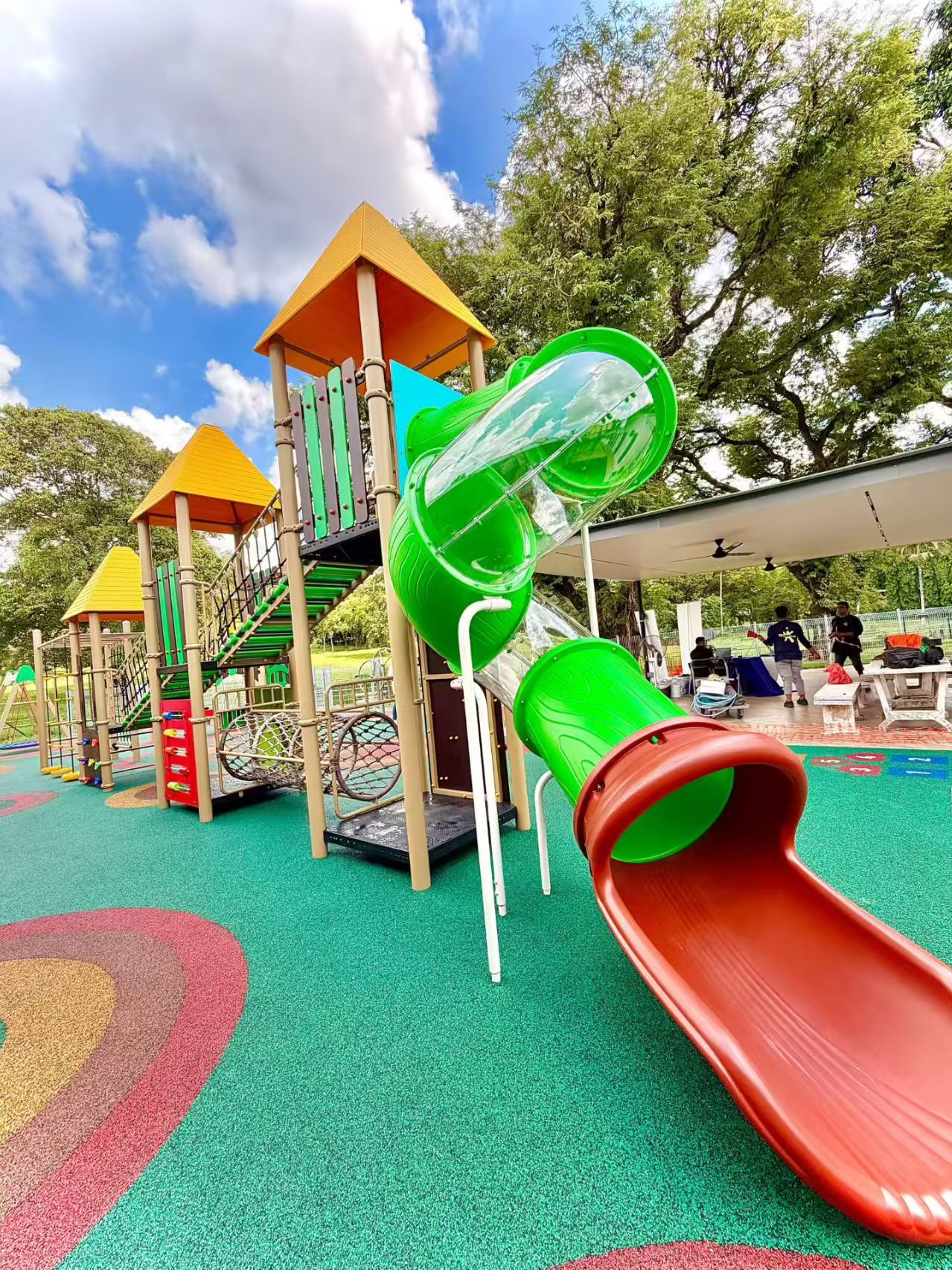
Safety begins where children enter the slide. The platform transition should provide stable hand support and help users sit down without exposed hardware, sharp edges, awkward gaps, or unexpected level changes. Barriers and entrance components should match the deck height and slide style. The bedway should remain smooth and continuous, with sidewalls appropriate for the route and intended age group.
The exit is equally important. A playground slide should guide riders toward a controlled landing area with enough room to slow down and leave promptly. The exit should not point toward swings, roads, walls, crowded paths, or another activity. Appropriate protective surfacing should cover the required area. For enclosed systems, internal joints should align smoothly, while the enclosed route should allow practical inspection, ventilation, and cleaning.
Operational Inspections And Ongoing Care
Safety continues after installation. Operators should inspect fasteners, supports, connections, surfaces, entrances, exits, and surfacing regularly. Loose parts, cracks, deformation, debris, standing water, and worn areas require prompt attention. JIQI develops slide options and tube slides with access, supervision, circulation, and maintenance in mind. A safe playground slide results from suitable design, accurate production, correct installation, appropriate surfacing, active supervision, and consistent care throughout its service life.
Should You Choose Open Slides Or Tube Slides?
Open slide designs are practical when visibility, direct supervision, and simple inspection are important. Their exposed route lets children see the landing before starting and helps caregivers observe the complete ride. Straight, wave, curved, and spiral open slides offer different challenge levels while maintaining an open feeling. They suit schools, communities, public parks, and play areas serving younger users.
Tube slides create a more immersive experience. Their enclosed route limits the rider’s view, builds anticipation, and makes a tall play structure feel more adventurous. Straight enclosed slides offer a direct journey, while curved and spiral enclosed models increase movement and ride duration. Selection should account for platform height, internal dimensions, support positions, inspection access, landing clearance, and surrounding activities.
A project does not always need only one type. Combining open outdoor slides with enclosed slides supports different confidence levels and preferences. An open slide may appeal to children who value visibility, while an enclosed design adds variety for users seeking adventure. JIQI can coordinate slide types, routes, colors, and deck connections within one playground system. The best combination matches the target users, site conditions, visual theme, supervision needs, maintenance plan, and desired experience.

How Do Deck Height And Slide Route Affect The Experience?
Deck height influences the length, slope, speed, support arrangement, and character of a slide. Lower platforms generally create a shorter, gentler experience for younger children or introductory areas. Taller platforms can support longer open designs or more complex enclosed systems, but they require careful planning of the entrance, route, supports, exit, and surrounding use zone.
The route determines how riders experience movement. A straight slide provides a predictable journey and clear landing view. Wave profiles introduce vertical changes, while curved slides add directional movement. Spiral tube slides can create a longer, enclosed experience within a different footprint. Every route should be engineered for its intended platform height rather than modified casually during installation.
The route also affects the playground layout. Designers should consider where children queue, how they enter the deck, what they see before sliding, and where they move after landing. A dramatic playground slide should not obstruct supervision or create congestion. JIQI evaluates deck height, dimensions, target age group, desired challenge, and visual goals before developing the arrangement. Coordination helps slide options and tube slides deliver exciting movement while remaining compatible with circulation, surfacing, and maintenance requirements.
How Should A Playground Slide Be Installed And Maintained?
Correct installation allows a playground slide to perform as designed. Before assembly, installers should confirm the deck height, connection points, support locations, slide direction, exit elevation, and surfacing plan. Components should follow the approved arrangement, and specified fasteners should be secured correctly. Enclosed designs require careful section alignment so internal joints remain smooth and the completed route follows its intended geometry.
The site should be prepared before opening. Footings and supports must be stable, the landing area must remain clear, and drainage should prevent water from collecting around the structure or exit. Installers should inspect the completed slide for rough joints, exposed hardware, movement, or obstruction. Any adjustment should follow the approved design rather than unplanned drilling or forced connections.
Routine Maintenance And Service Life
Maintenance must continue during operation. Staff should check outdoor slides for loose fasteners, cracks, deformation, worn surfaces, debris, fading, and drainage problems. Enclosed models also need internal inspection and cleaning because enclosed areas are less visible. Inspection frequency should reflect usage, weather, and site conditions. JIQI considers installation and maintenance during slide planning so customers can manage equipment efficiently. Accurate installation and regular care protect safety, preserve appearance, reduce downtime, and extend the service life of the complete system.
A successful playground slide project begins with accurate measurements and a clear understanding of its users. By comparing slide models and tube slides according to space, safety, durability, and play value, JIQI can provide an engaging solution for many playground environments.


 English
 Español
 Français
 Deutsch
 Português