


How To Design The Perfect DIY Play Area For Your Kids Indoors
Cramped spaces limit children’s creativity. Without a fun, safe zone to explore, they turn to screens instead. But a well-planned DIY Small Indoor Playground can change everything.
Designing the perfect indoor play area doesn’t require a large space—just the right approach. With smart choices in materials, layout, and safety, you can build an exciting, safe, and long-lasting Indoor Play Zone your kids will love.
Don’t stop now—keep reading to uncover every detail for building your ideal Small Indoor Playground.

What materials are best for creating a DIY Small Indoor Playground that’s both safe and long-lasting at home?
Choosing the right materials is key to building a reliable and safe DIY Small Indoor Playground. Foam padding, soft play blocks, EVA mats, and non-toxic plastics are excellent options. These materials minimize injury risks while being durable and easy to clean. Look for components that meet international safety certifications and resist moisture and wear over time. A Mini Indoor Playground made with commercial-grade foam and reinforced seams ensures both longevity and comfort. Whether you’re building a climbing structure or a ball pit, prioritize quality over cost. As a seasoned indoor play equipment manufacturer, we offer a wide range of trusted materials suitable for any Small Indoor Play Area.

How does a compact Indoor Mini Playground compare in cost and ease of setup with ready-made solutions?
Building your own Indoor Mini Playground can be far more affordable than purchasing a full-scale ready-made system. DIY setups allow parents to choose specific features and prioritize essential components—like slides, tunnels, or climbing pads—based on their space and budget. Installation is often straightforward, especially with modular systems, and avoids labor costs. In contrast, pre-built solutions often require professional setup, increasing total expenses. By selecting high-quality modules or kits, homeowners can replicate commercial-quality Small Indoor Playground features at home. Our factory also supports hybrid solutions—ready-made modules that are easy to assemble with DIY flexibility—perfect for personalized Small Indoor Play Areas.

What are some unique Indoor Playground Ideas for Small Spaces that maximize fun in tight areas?
Limited room doesn’t mean limited fun. With clever Indoor Playground Ideas for Small Spaces, you can transform even a corner into a vibrant Indoor Play Zone. Consider wall-mounted climbing holds, foldable mats, or soft play tunnels that double as storage bins. Loft-style mini structures create vertical play zones, ideal for squeezing more fun into smaller footprints. Combine educational elements like puzzle mats or sensory panels for interactive learning. For even more flexibility, opt for collapsible play furniture that stores flat. Our design team specializes in optimizing every inch of your space to build a practical and playful Small Indoor Play Area.

How can you transform a spare room into a fully functional Indoor Play Zone without major renovations?
You don’t need a sledgehammer to build a great Indoor Play Zone. Repurpose a spare bedroom, study, or even a large hallway using lightweight, mobile components. Start with floor protection—EVA foam mats or interlocking tiles—then add modular pieces like tunnels, mini slides, or padded ramps. Soft partitions or ball pits can define play areas while keeping them safe and contained. Avoid wall-mounted units if renting; instead, choose floor-based structures that can be moved or folded. Our experienced team can help you design a budget-friendly yet creative Small Indoor Play Area using just what’s available—no structural changes needed.

What safety standards should be followed when building a Mini Indoor Playground by yourself?
Safety is non-negotiable in any Mini Indoor Playground. Start with materials—choose only phthalate-free, flame-retardant foam and plastics. Make sure all surfaces are smooth, non-toxic, and easy to sanitize. Components should be stable, with no sharp edges or pinch points. Pay close attention to spacing between units to avoid entrapment risks. Proper ventilation, lighting, and visibility are also essential. Most importantly, any DIY structure should conform to local and international indoor playground safety guidelines like ASTM or EN standards. With years of production experience, our factory ensures every component we supply for your Small Indoor Playground meets or exceeds safety compliance benchmarks.

Customizing Your Indoor Playground DIY Experience
Building your own indoor playground DIY project is more than a cost-saving solution—it’s a creative journey tailored to your child’s personality and your home’s layout. Unlike store-bought playsets, a DIY setup lets you select every feature, from colors and materials to themes and textures. Want a jungle-themed reading nook or a space explorer’s climbing pod? The power is in your hands. Start small, experiment with soft modular components, and add new elements over time as your child grows or as your space evolves.

From Inspiration to Realization
Successful indoor playground DIY plans begin with thoughtful planning and flexible design. Sketch your ideas or browse layouts that match your room size. Use multifunctional items—like collapsible ball pits or foam tiles with printed games—to add value without crowding the space. You don’t need to be a professional builder; many parents find joy in the process of assembling safe, stimulating environments using easy-to-install kits or even upcycled household items.
In the end, an indoor playground DIY isn’t just about play—it’s about connection, creativity, and making lasting memories. With the right resources and guidance, any indoor space can become a magical haven where imagination takes center stage.

Multipurpose Features for Long-Term Use
One of the best parts about building a DIY play area indoor is the ability to design for both play and practicality. Instead of single-purpose structures, consider components that serve multiple functions—such as storage benches that double as climbing steps or foldable foam blocks that convert into tunnels. These elements extend the usability of the space and allow it to adapt as your child grows.
Indoor Play Spaces for All Seasons
Weather can limit outdoor activity, but a well-designed DIY play area indoor provides a reliable space year-round. Whether it’s raining, snowing, or too hot outside, your child will always have a safe and engaging environment to stay active. By selecting durable, washable materials and maintaining a clutter-free layout, you ensure the space stays clean and inviting throughout every season.

Easy Expansion as Needs Change
A major advantage of a DIY play area indoor is its expandability. As your child develops new interests or skills, you can introduce new features like sensory walls, balance beams, or interactive learning zones without starting from scratch. Modular pieces allow you to customize the area continuously, ensuring it remains both fun and developmentally supportive.
Creative Zones That Inspire Learning
Adding themed corners to your diy indoor play area can encourage focused learning and imaginative play. A reading nook with soft cushions, an art corner with washable mats, or a mini science lab with sensory bins can transform your setup into more than just a fun zone. These dedicated areas support development while keeping everything within the boundaries of your custom indoor playground diy project.

Balance Between Freedom and Structure
The flexibility of a diy play area indoor allows you to strike the perfect balance between open-ended exploration and structured activities. Use movable partitions or rugs to subtly guide your child from one play zone to another, creating a natural flow. This thoughtful design improves attention span and allows varied play experiences without the need for constant supervision.
Evolving With Your Child
One of the most rewarding aspects of a diy indoor play area is how easily it evolves. As your child’s interests shift, the space can transform from a toddler’s crawling zone to a preschooler’s obstacle course. With modular and safe elements, your personalized indoor playground diy remains adaptable, functional, and enjoyable—every step of the way.
Simplifying the Process for Beginners
For parents just starting out, building a simple DIY indoor playground can feel overwhelming—but it doesn’t have to be. Focus on small, achievable goals: start with a safe floor surface, like interlocking foam tiles, then add a few soft blocks or a pop-up tunnel. Keep the layout open and flexible. You don’t need complex tools or expensive parts to create a meaningful play area—just a bit of creativity and a child-centered mindset.

Creating Play Spaces with Everyday Items
A great DIY indoor playground doesn’t always require store-bought components. Repurpose household items to keep costs low and maximize space. Think cushions for climbing, cardboard boxes for forts, and blankets for tents. These basic materials can transform an empty room into an imaginative adventure space. Just make sure everything used is clean, stable, and safe for children.
Growing Confidence Through Hands-On Design
Building your own simple DIY indoor playground empowers you to shape a space that reflects your child’s personality and developmental stage. As you add and adapt features over time, you’re not only saving money—you’re also building a closer connection through shared discovery. The joy of creating something purposeful together is what makes every DIY playground truly special.
Conclusion
Create fun, safe spaces—Small Indoor Play Areas that grow with your child’s imagination and your home’s unique layout.
Expanding your indoor play project requires not only creativity but also a clear understanding of structure, safety, and material selection. When planning to build indoor playground spaces at home or for small commercial use, combining professional concepts with practical DIY solutions can significantly improve results. A well-designed build indoor playground layout ensures children enjoy both fun and developmental benefits.
For families looking to create a flexible and budget-friendly solution, a diy play area indoor setup is an excellent starting point. By integrating soft materials, modular components, and safe structures, a diy play area indoor environment can be both engaging and secure. Many parents choose a diy play area indoor approach to customize themes, colors, and play functions according to their children’s preferences.
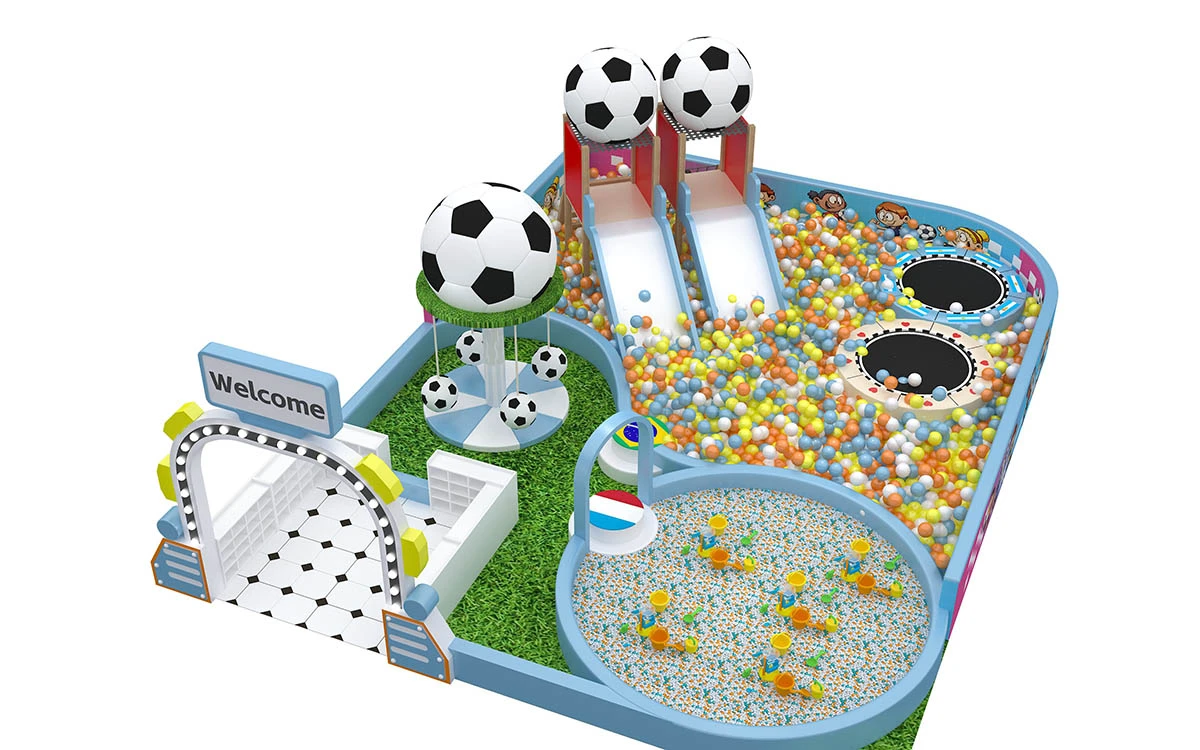
If you prefer a more refined structure, a diy indoor play area can include climbing zones, slides, and sensory play sections. A simple diy indoor playground design focuses on essential play elements while maintaining safety and ease of installation, making it ideal for limited spaces.
From a more professional perspective, indoor playground construction involves careful planning of load-bearing structures, safety spacing, and durable materials. Even when creating a homemade diy indoor playground, applying basic construction principles ensures long-term usability and safety.
Whether for home use or small-scale projects, combining DIY creativity with professional insights allows you to create a high-quality indoor play environment. As an experienced manufacturer, we can also support your build indoor playground projects with customized design, durable materials, and reliable solutions to help bring your ideas to life.


 English
  Español
  Français
  Deutsch
  Português