


Open Play Indoor Playground Solutions For Modern Play Centers
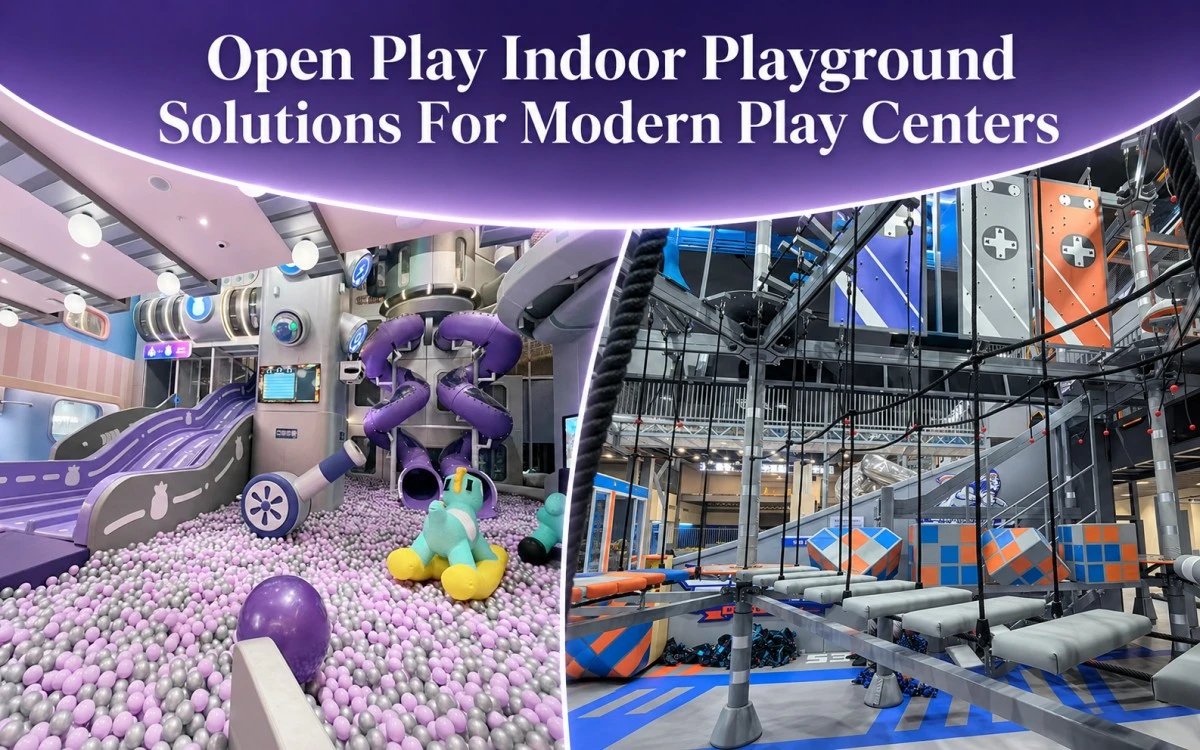
Open play indoor playground solutions give modern play centers a flexible way to build safe, creative, and profitable indoor play spaces. Instead of using one simple slide or a fixed play area, this concept combines toddler soft play, multi-level structures, ball pits, slides, climbing nets, trampolines, interactive projection games, party rooms, and parent rest areas into one connected environment.
A well-designed Open play indoor playground allows children to run, climb, slide, explore, and interact freely according to their age, ability, and interests. Clear age zoning for toddlers, preschool children, and older kids improves safety while creating a better play experience. For investors, it also helps increase visitor stay time, repeat visits, birthday party bookings, and membership value.
Before purchasing an Open play indoor playground, buyers should check site size, ceiling height, target age group, budget, theme style, material quality, safety standards, installation support, and after-sales service. Custom factory design can turn different commercial spaces into practical, attractive, and revenue-friendly play projects.
What Is An Open Play Indoor Playground?
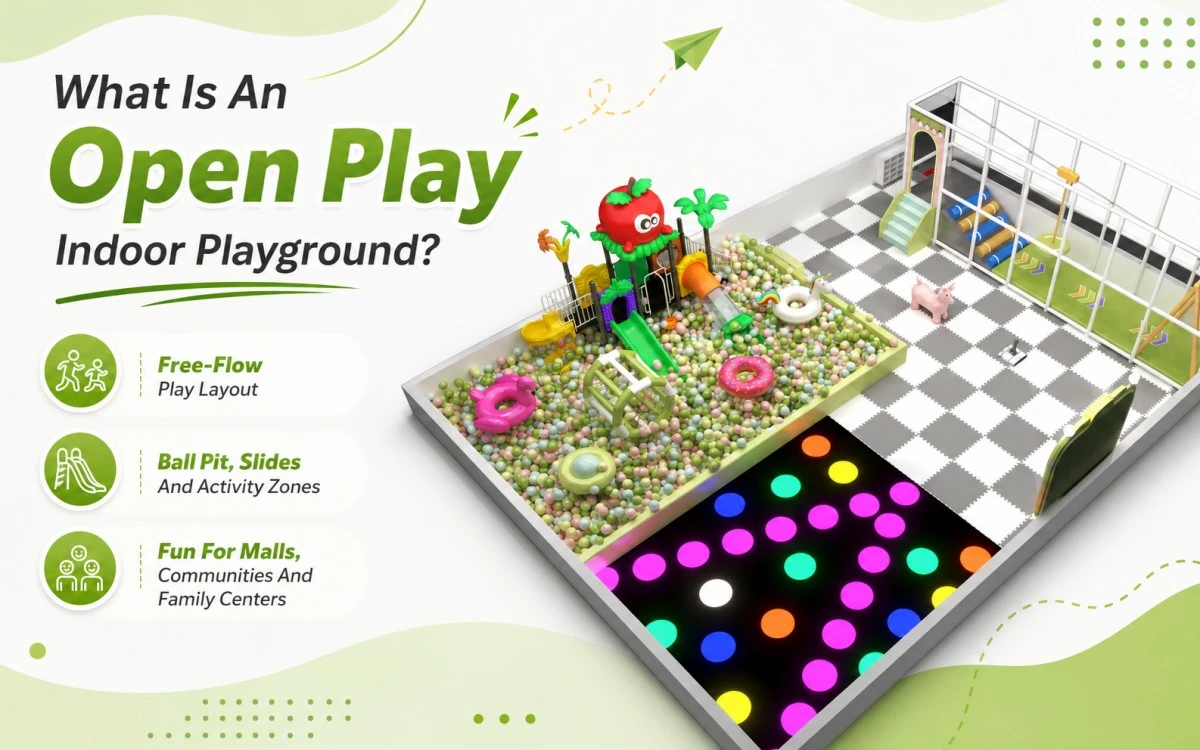
Open play indoor playground is a full play space built for kids. Free open play is its main feature. Older play spaces just put one slide or simple equipment inside. This playground gathers different play parts in one single area. Kids choose where to go based on their own likes and physical level. They enjoy fun exploration while playing around.
Full set playground includes soft climbing structures, spiral slides, straight slides and ball pits. Obstacle lanes, trampoline spots, interactive gadgets, role play corners and toddler areas also come with it. All zones connect with each other to make a lively play environment. Kids run, climb, slide, explore and interact freely. Their balance, body coordination and social skills get improved naturally.
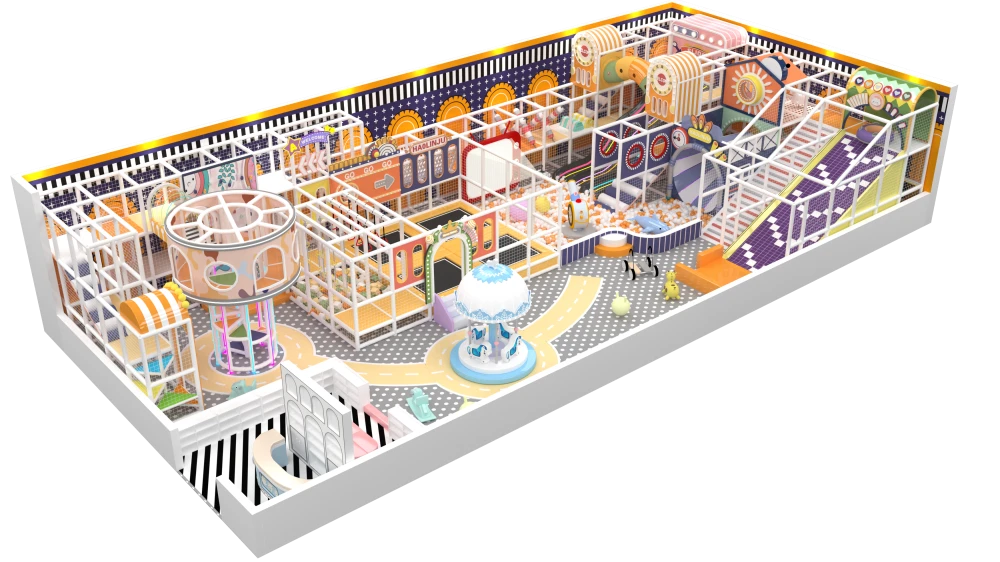
You can build this playground in many kinds of locations. Home communities, community centers, shopping malls, resorts and hotels all work well. Design changes easily to fit odd-shaped or different-sized floors. More investors pick this project for their business.
The playground targets kids aged three to fifteen. Small soft toys and tiny slides fit young children. Hard climbing challenges and trampoline games suit older kids. Each age group finds matching fun here.
Lots of clients want custom-made playground solutions. Design workers adjust layout with actual site size, ceiling height, spending budget and customer groups. Good layout helps make full use of empty space and draw more visitors.
People running paid businesses like this playground a lot. Rich play items make kids stay longer inside the venue. Operators launch member plans, birthday parties and parent-child activities to raise venue income. This playground becomes a popular kid play option for commercial and community projects.
Main Types Of Open Play Indoor Playground Equipment
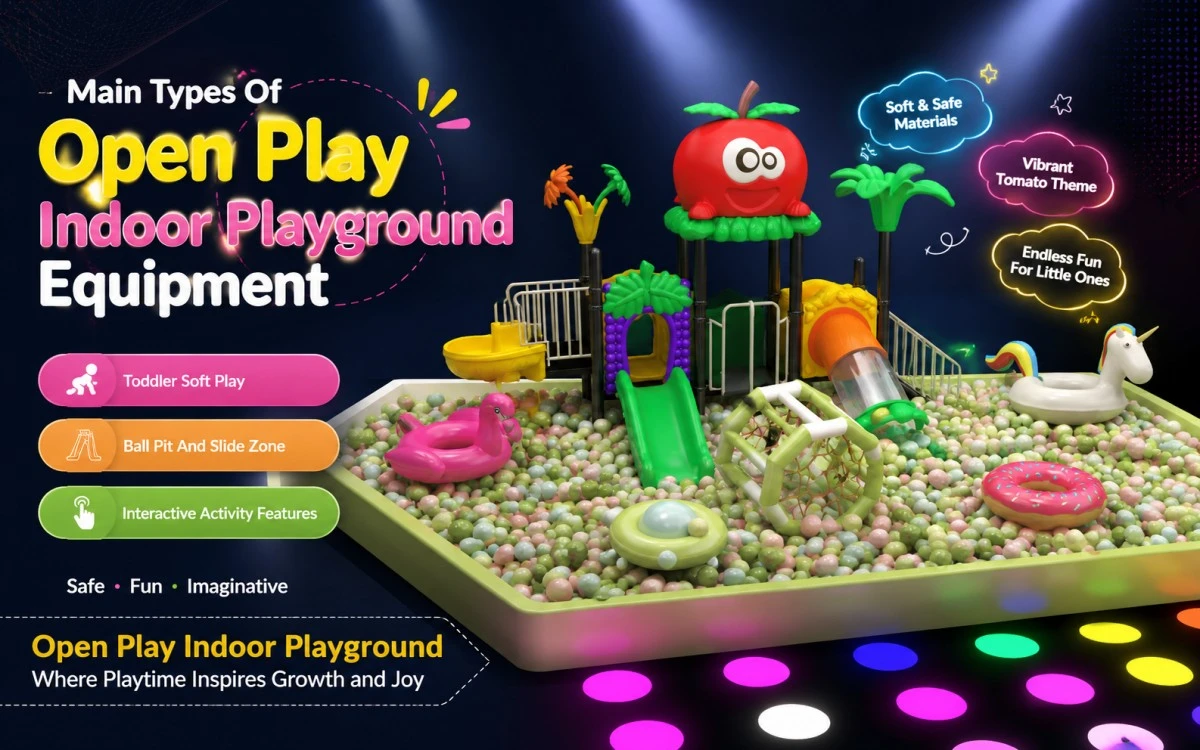
Open play indoor playground works for kids from one to three. Owners put soft blocks, crawl mats and tiny small slides inside. Simple toy sets fill up the rest space. Kids crawl and creep to train basic body moves. Smooth round edges keep small children away from hurts. Most parent-child parks will set up this spot.
Multi-level play structures catch eyes first inside venues. Designers put slides, climb nets and obstacle paths together. Kids above three years old love this place. Most run here right after stepping into the park. Builders count site height and expected guest numbers. Narrow paths spoil playing mood easily.
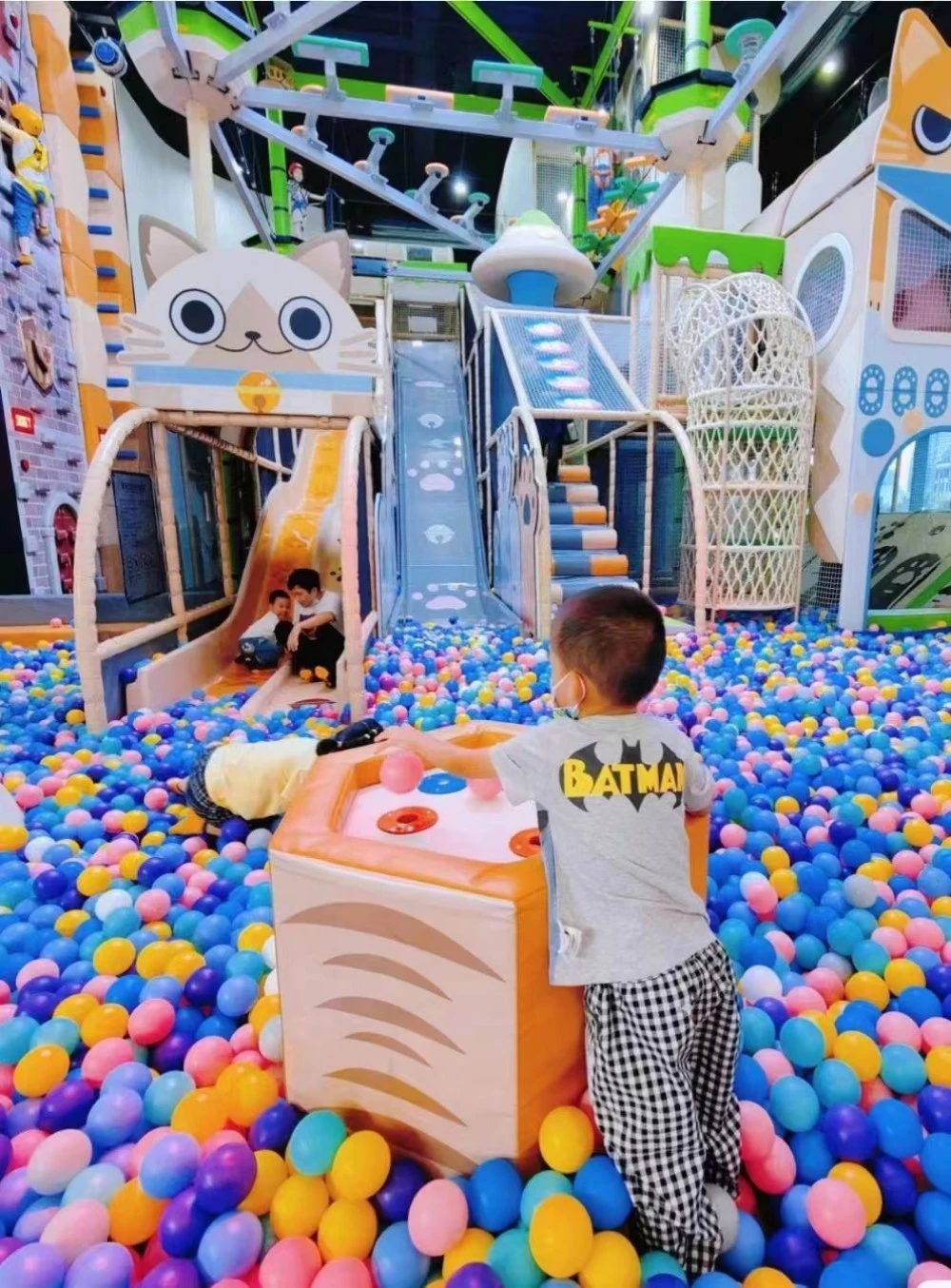
Ball pit plus slide stays a hot choice. Bright colors make parents take many photos. Builders set different pit depths for varied ages. Fine balls do not bend easily and cut cleaning trouble. Slide ends leave empty room for slow down.
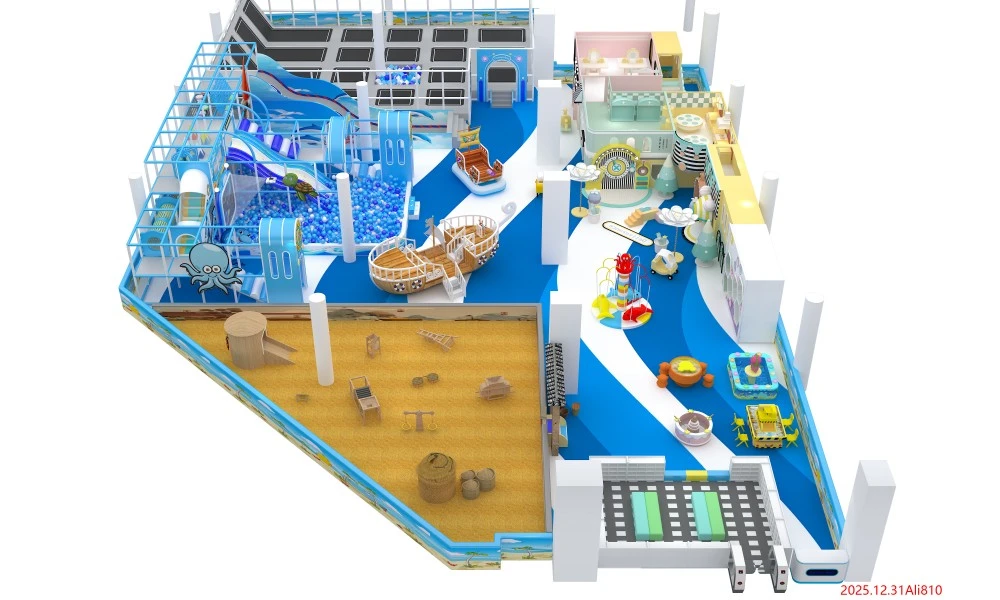
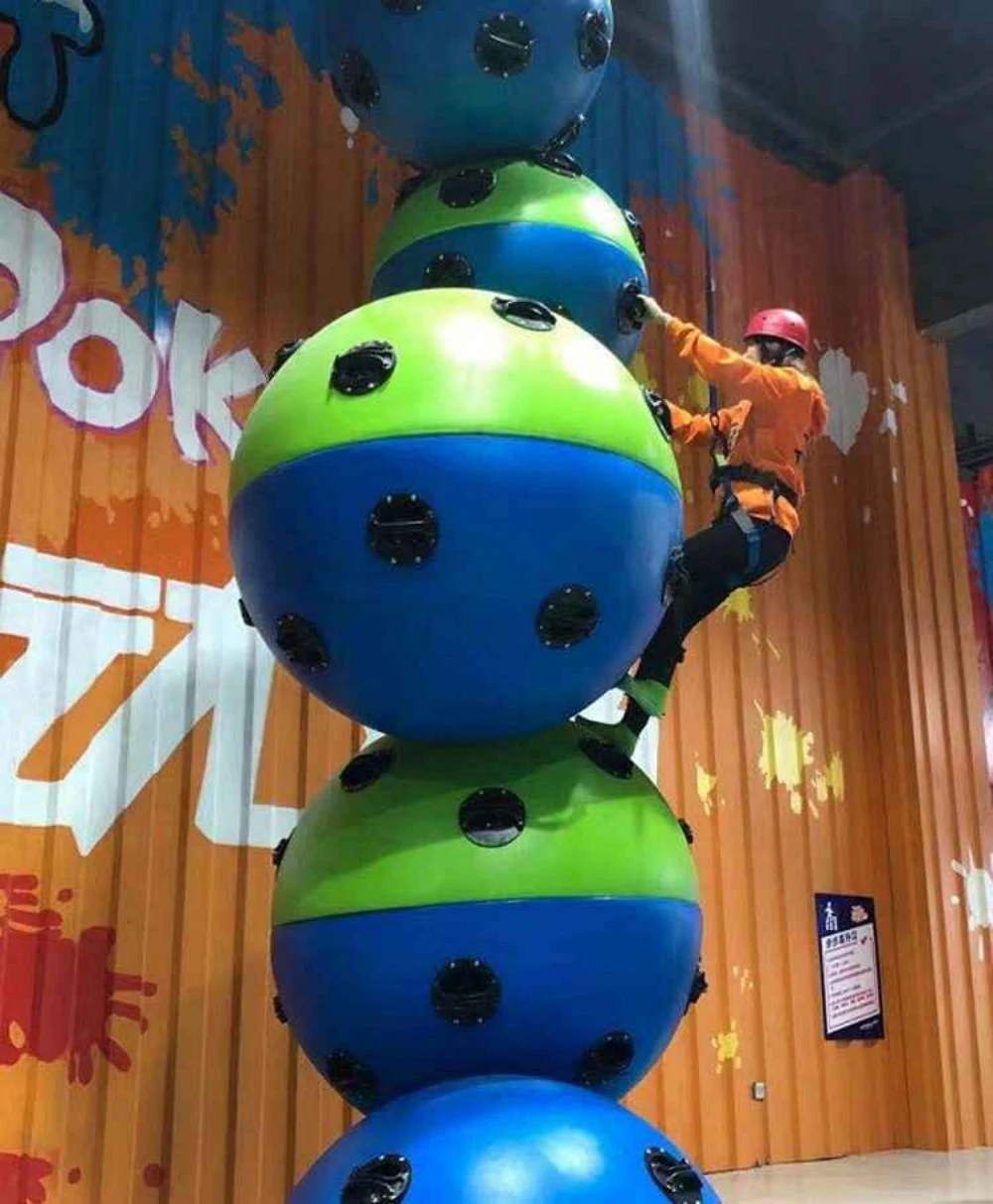
Older kids lose interest in ordinary slides. Trampoline and ninja areas draw their focus. These games make kids stay longer at the park. Buyers check safety nets and thick cushion pads. Solid safety parts lower later running troubles.
Projection games become popular recently. Screen images shift as kids run or step on ground. Such machines need little floor space and add tech fun. Buyers ask about system update and after-sale care before orders.
Lots of business owners ignore party rooms and parent lounges. These areas bring extra money from birthday events. Relax seats let adults watch kids comfortably. Matching all functional zones properly helps playground run steadily in the long run.
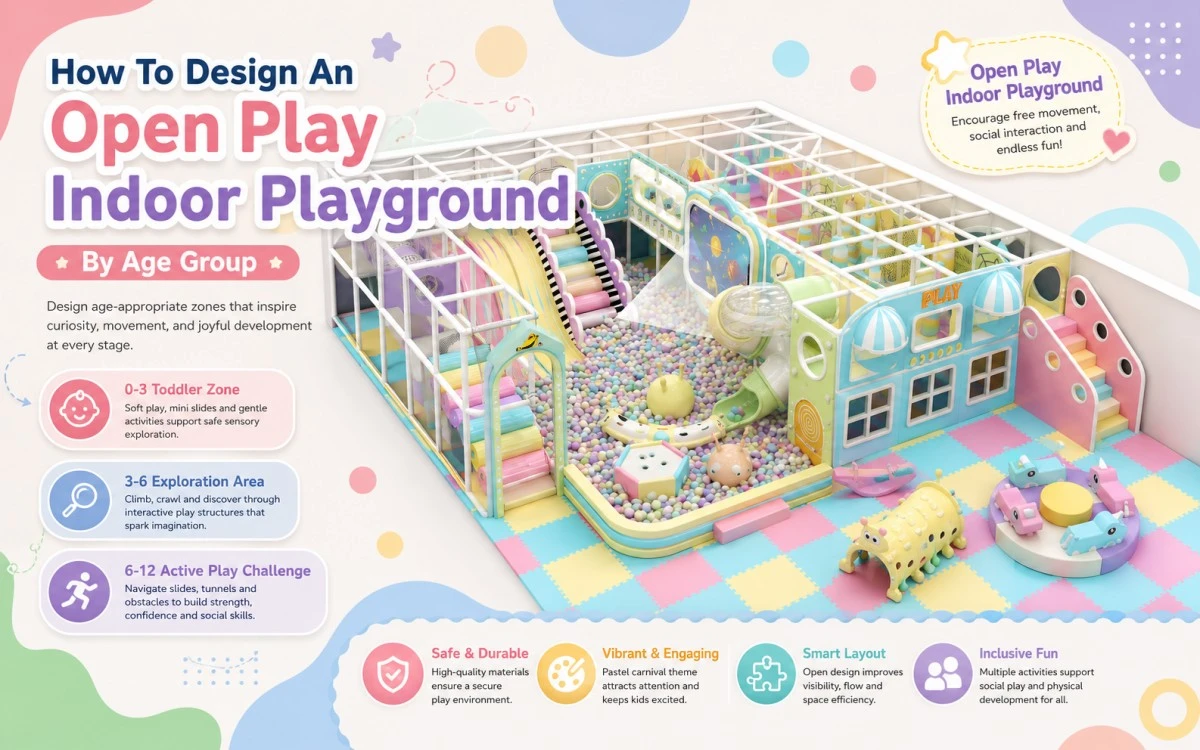
How To Design An Open Play Indoor Playground By Age Group
Many investors tend to fall into a misconception when planning Open play indoor playground: they believe that the more equipment and excitement there are, the more customers they can attract. However, from the perspective of operation and customer experience, the true determinant of the success or failure of an amusement park is not the number of equipment, but whether it is properly divided according to age groups. A mixed age amusement park often means that young babies are knocked down by older children, parents are constantly nervous, and complaints are constant. Scientific zoning not only ensures safety, but also enhances customer satisfaction, resulting in a higher repurchase rate.
Firstly, the core of the design is to clearly divide the space into three age groups: 0-3 years old, 3-6 years old, and 6-12 years old.
0-3 year old young age group: Children in this stage need extreme protection. This area should be extensively covered with soft packaging and crash resistant materials, with all edges smooth and free from sharp edges. The climbing platform must be short (not exceeding 30 centimeters), and the slide must be short and gentle. Lay thick soft cushions on the ground to prevent falls and injuries. Simultaneously setting up low fences can prevent children from getting lost and not obstruct parents’ sight.
3-6 year old age group: Children in this age group begin to seek moderate challenges. Small slides, crawlers, rope tunnels, and role-playing rooms (such as small kitchens and supermarkets) can be added. The height of the equipment is controlled within 1.5 meters to increase fun but retain safety buffer.
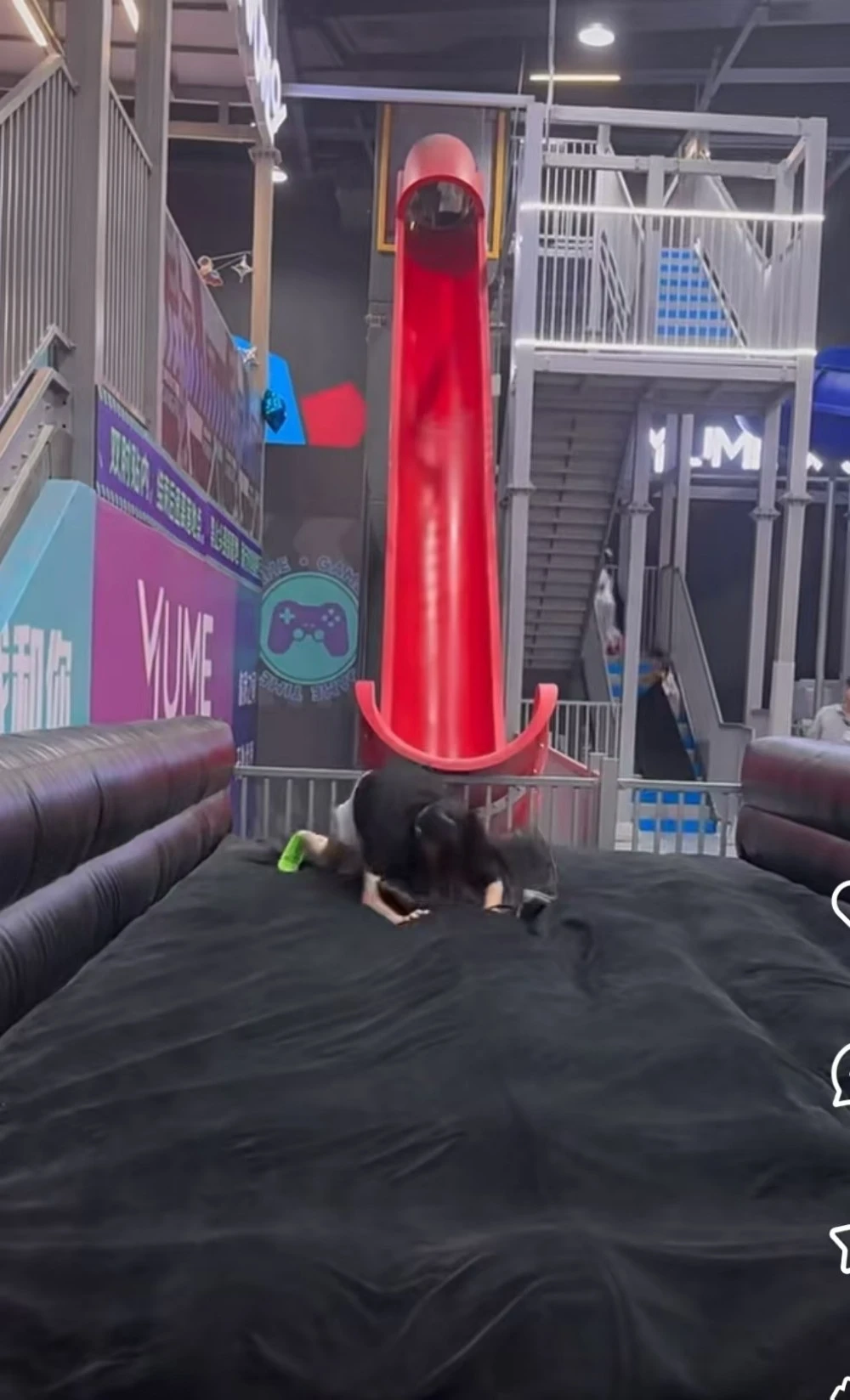
6-12 year old age group: They need to release their energy. Configure climbing walls, vertical slides, trampolines, and interactive projection games. Obstacle crossing and shaking wooden bridges can exercise physical fitness and coordination. Pay attention to both the load-bearing capacity and structural strength of the equipment.
In addition to partitioning, attention should also be paid to the following operational routes:
Entrance route and parental line of sight: The entrance should be centralized and equipped with gates to ensure that children cannot run out alone. The parent rest area is best located at the high point or center of the intersection of each zone, equipped with comfortable seats and charging ports, allowing parents to easily see their children playing in various areas.
Safety exits and rest areas: At least two obvious safety exits must be set up and the passage must be kept unobstructed. The rest areas within the venue, such as benches and lazy sofas, should be arranged in a dispersed manner to facilitate parents to sit down and take care of them at any time.
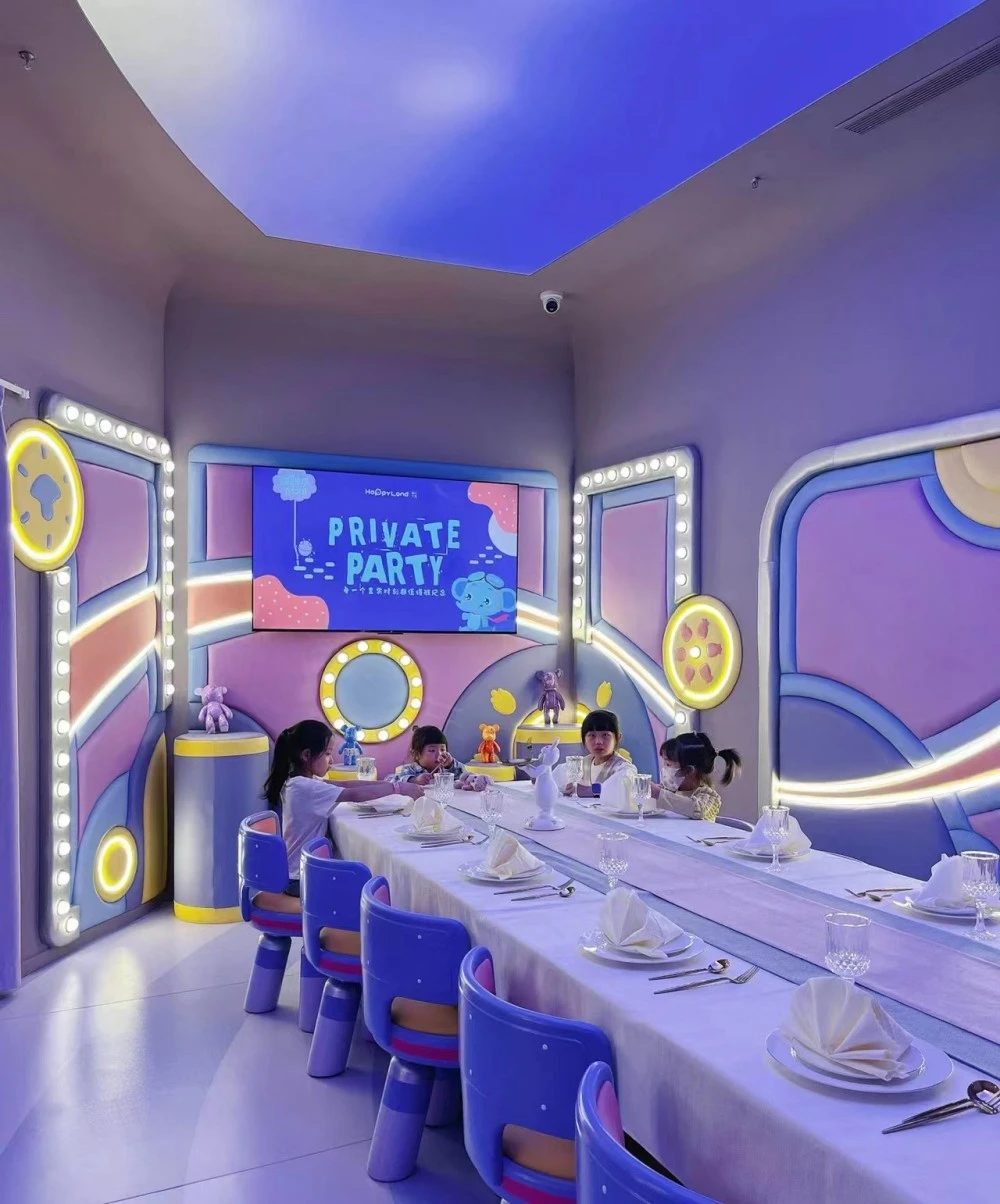
Birthday party area: Birthday parties are an important source of income for indoor amusement parks. It is recommended to set up the party area near the entrance or the middle-aged area, which is relatively independent, easy to arrange and clean, and convenient for quick access to the amusement area.
In summary, excellent indoor amusement park design begins with reasonable age zoning. There are not many devices, but rather ‘targeted targeting’. Only by allowing children of all ages to play and have fun in their own safe zone can parents truly feel at ease and your business can thrive for a long time.
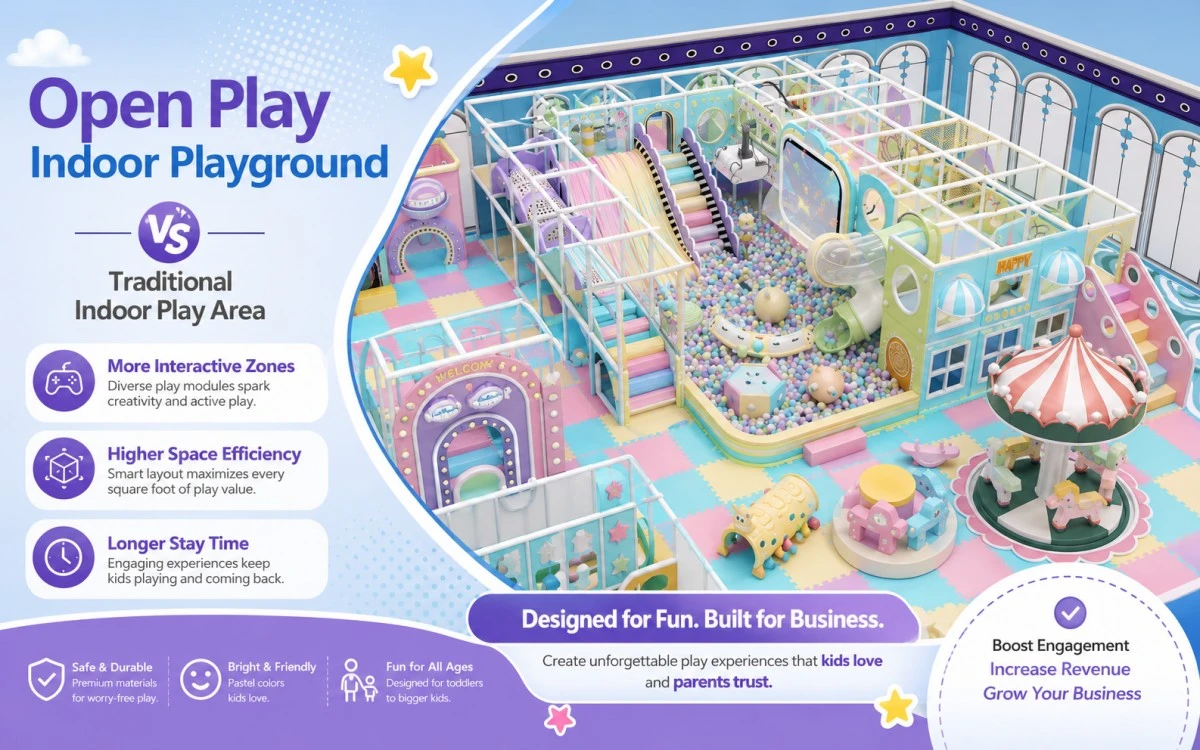
Open Play Indoor Playground Vs Traditional Indoor Play Area
In the indoor children’s play industry, traditional indoor play areas were once the mainstream choice. Now, with the changing consumption habits of households and the upgrading of operational needs, Open play indoor playground is gradually replacing the traditional mode of single gameplay with its free exploration, multi area interaction, and strong repurchase ability. Here are five key dimensions for comparison to help you see the essential differences between the two.
1、 Room use rate
Traditional indoor amusement areas are usually dominated by one or a few large devices (such as a tall naughty castle), with a large amount of space around them being idle or becoming blind spots, resulting in low floor area efficiency. The open amusement park adopts a “zoning+multifunctional” design, dividing the venue into a young soft pack area, a middle-aged climbing slide area, an older challenge obstacle area, a role-playing room, a brick wall, a trampoline area, a parents’ rest area, and a party room. Every corner can be fully utilized, with almost no dead corners, and every square meter can create operational value.
2、 Child participation rate
In traditional mode, the gameplay is highly fixed – children simply climb up, slide down, crawl in and out, easily getting bored quickly, with an average dwell time of only 40 to 60 minutes. Parents feel it’s not worth the ticket price, and children quickly shout ‘bored’. The open amusement park offers more than ten different themed exploration scenes, and children can freely switch activities: from slides to climbing nets, from simulated supermarkets to building blocks, and then to interactive projection games. The sense of active participation is extremely strong, with an average stay time of 2 to 3 hours, and the child can choose different routes every time they come to maintain freshness.
3、 Operating cost
Traditional indoor areas mainly rely on ticket revenue and have extremely low secondary consumption. Parents are unwilling to pay extra for monotonous facilities, and birthday parties and group activities are also difficult to organize. Open amusement parks have established diverse revenue channels, including tickets, dining, party packages, membership cards, retail, and more. Parents are willing to order a cup of coffee and a light meal in a comfortable resting area, relaxing while taking care of themselves. The birthday party area can accommodate group bookings and typically contribute 30% to 50% of the store’s revenue. The membership repurchase rate is also significantly higher than the traditional model, as children always want to come back and explore areas that have not been fully explored.
4、 Scalability
Traditional equipment is highly rigid, and adjusting the layout requires dismantling and rebuilding, which is costly and time-consuming. The open amusement park adopts a modular design, which can flexibly adjust the layout of the area according to passenger flow data and popular projects, and add or replace theme equipment at any time – such as changing a batch of role-playing props, adding an interactive projection wall, or upgrading a climbing module to a larger challenge. This flexibility allows investors to continuously update their experience and attract repeat customers to return.
5、 Suitable venue
Traditional indoor areas have relatively relaxed requirements for the site, but often require a higher floor height (at least 4 meters or more) to accommodate large equipment, and are not sensitive to column grid spacing. Open style amusement parks have stronger adaptability: they can be located in the atrium of shopping malls, street level shops, or renovated into old factories, warehouses, and community supporting spaces. The floor height requirement is relatively flexible (reasonable zoning can be designed for areas above 2.8 meters), and it is better at utilizing irregular spaces.
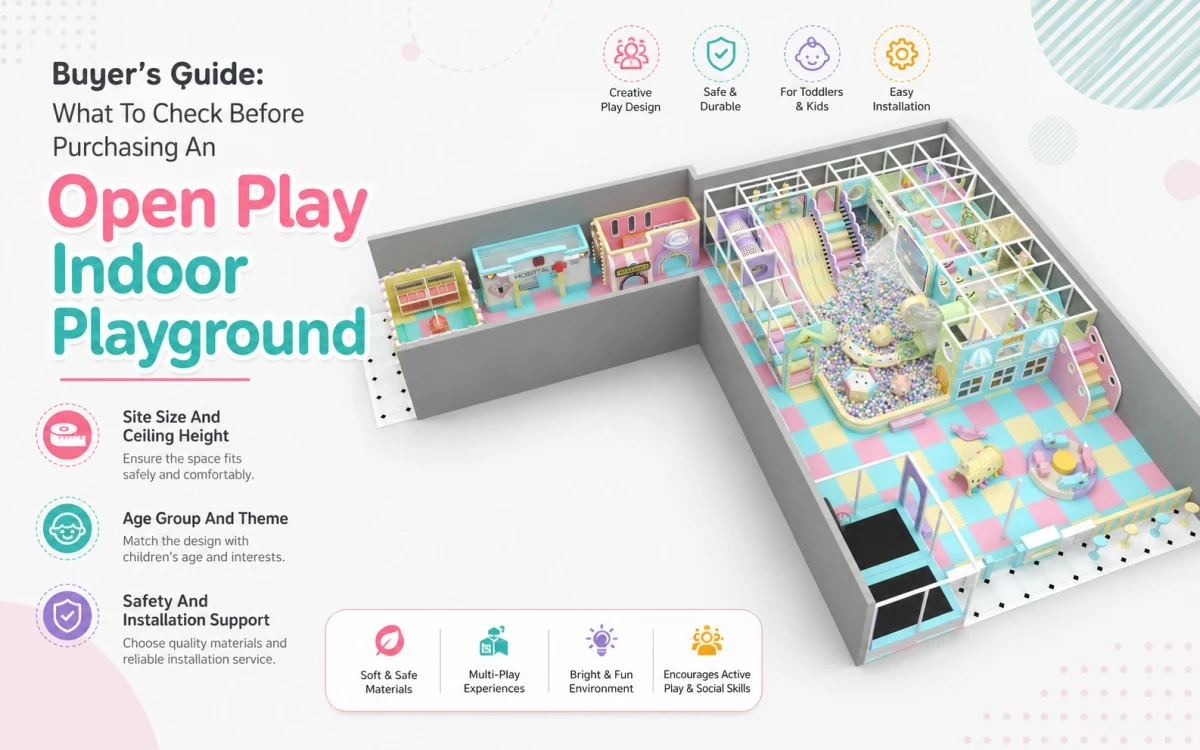
Buyer’s Guide: What To Check Before Purchasing An Open Play Indoor Playground
If you’re in the market for an Open play indoor playground here are 5 things I tell my customers BEFORE they purchase:
1. The size of your site and ceiling height – Recently one of my customers purchased a structure they loved from a catalog. When it was delivered, his ceiling was too low by 30cm. We ended up cutting height and modified the design. Moral of the story: measure twice, buy once. I always recommend customers to shoot me their HEIGHT clearances. If you want a multi-level playground, try to have 4.5m height minimum.
2. Age group – The range of ages your children cater to is important. I had a daycare who ordered a 2-6 years old structure but all the slides were too steep for toddlers. We replaced them with less steep slides. From now on, I inquire if my clients have kids that are toddlers or school age. It’ll make a difference to your step heights, slide angles and fall zones.
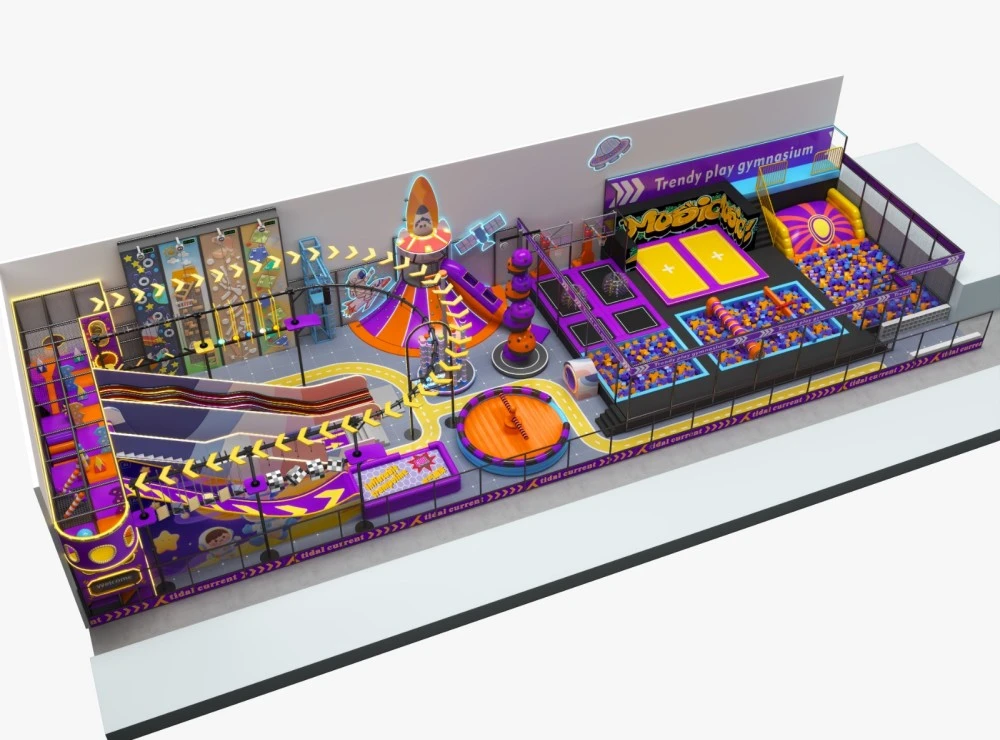
3. Budget and Theme – An indoor playground doesn’t need to break the bank. I had a small FEC owner whose budget was only $25k. We were able to create a jungle themed play area using our stock modules and customizing it with vinyl graphics. He ended up saving 40% vs. an all custom built structure.
4. Materials and safety regulations – There are details you want to look for in terms of safety. Soft play foam should be minimum 5cm thick. All steel structures should be powder coated for rust prevention. Always ask for testing reports. I’ve seen plenty of cheap imported playgrounds with foam flooring that sunk in half a year!
5. Installation support and after-sales – Do they supply you with drawings? Video walk-through? Spare parts? I had a customer who needed an extra screw for their playground in Manila. We sent it over to them via our team’s shipment within 24 hours.
I hope these tips can help you when you’re buying your indoor playground. Send me your floor plan and budget before you sign on the dotted line. I can spot you from falling into these Open play indoor playground scams. That’s what a caring supplier would do
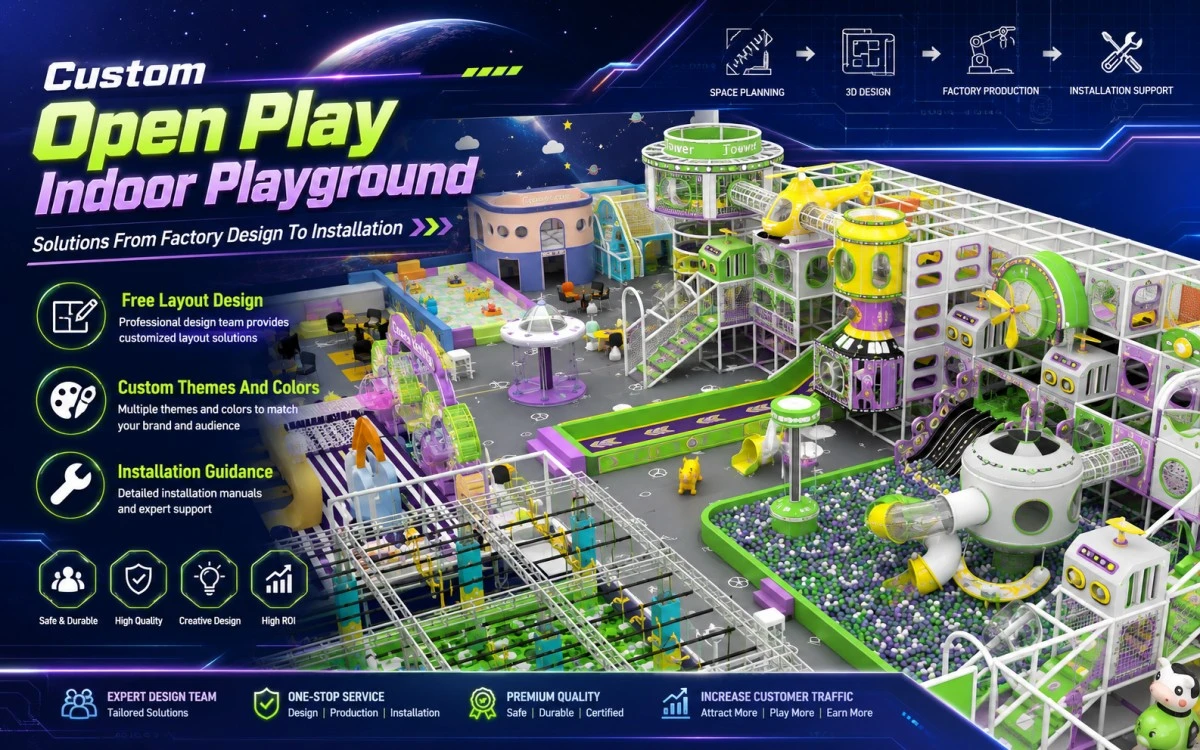
Custom Open Play Indoor Playground Solutions From Factory Design To Installation
I’ve been in the playground business for over 30 years. Yeah, 30 plus. Our factory? 60,000 square meters. Big place. We do outdoor, indoor, water play, custom stuff – you name it. But here’s what that actually means for you.
So you come to me with some rough idea for an Open play indoor playground. I don’t just send you a catalog. No way. First thing I ask? Your floor plan. Even a hand-drawn sketch on a napkin, I don’t care. Then my design team gets to work. We make a 3D layout.
Example. Dubai client – shopping mall. They wanted a space theme. So we did rocket slides. A moon crater ball pit. And a climbing wall shaped like a spaceship. They ended up with a one-of-a-kind attraction. Kids still talk about it. Seriously.
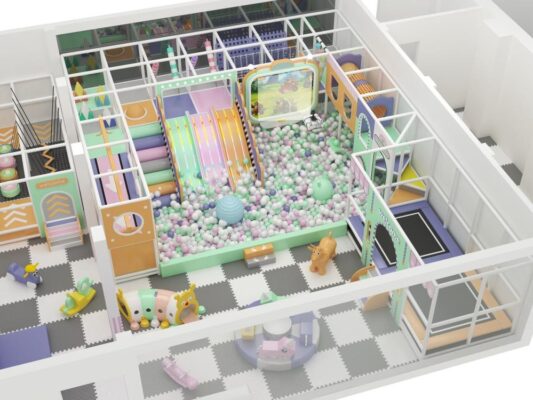
Another one – Bali. A hotel there needed a small play zone for their restaurant. Super tight space. Only 4 by 6 meters. So we built a compact Open play indoor playground. Mini slide. Crawl tunnel. Soft blocks. Fit perfectly. Parents love it while waiting for their food. Works great.
We also help kindergartens, community centers, family entertainment centers. You get free layout design. Custom colors and themes. Factory production – no middlemen, no markup. Export packaging. Everything. Plus installation guidance. We even send video tutorials. A customer in Chile? He assembled his whole playground using just our video and a local handyman. No pro team needed.
So don’t just grab standard gear that won’t fit. Send me your site size and age group. I’ll turn that empty room into a place that actually makes money. That’s custom. That’s from a real factory. No BS.


 English
  Español
  Français
  Deutsch
  Português