


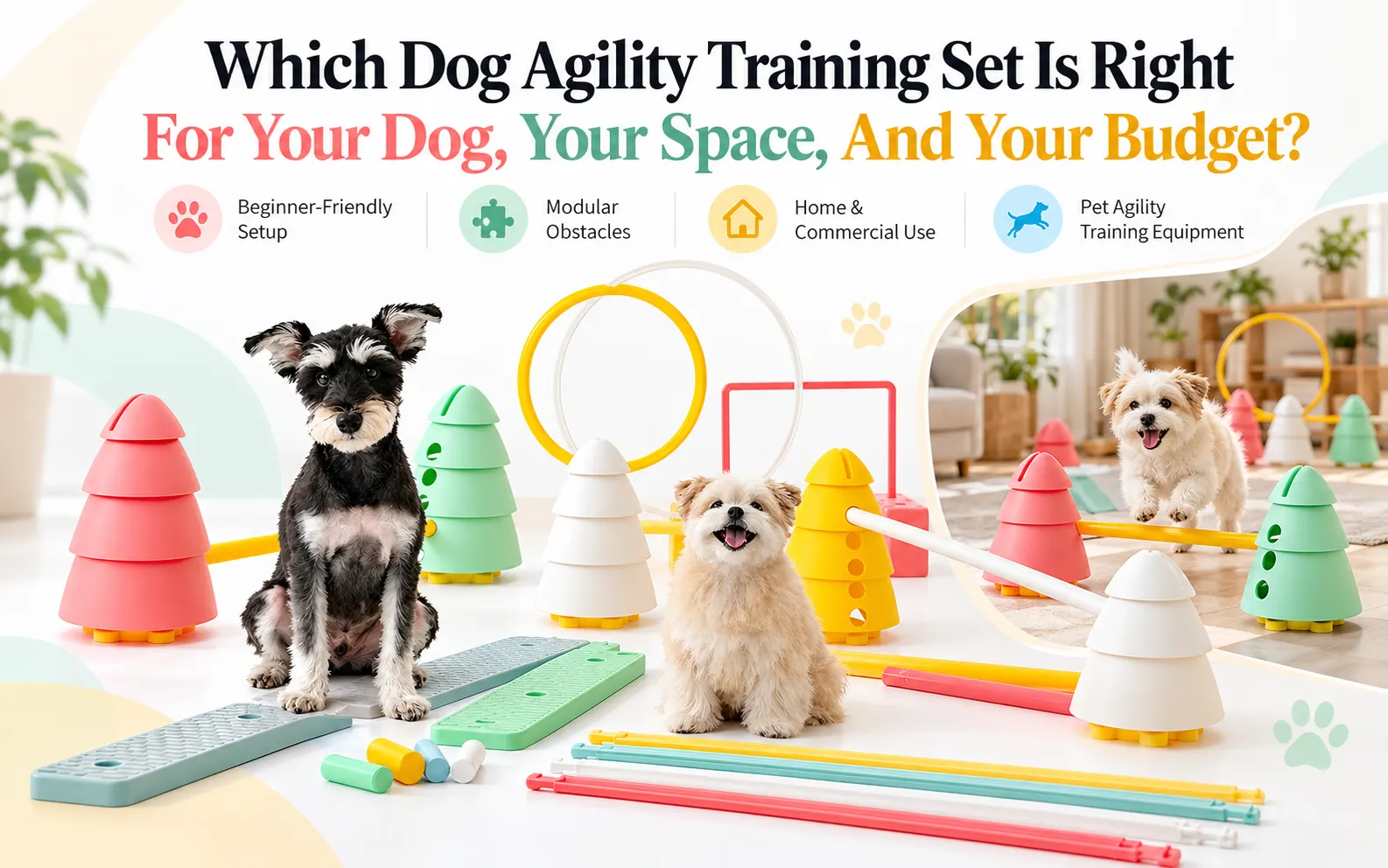
Buying agility equipment looks simple until the pieces arrive and nothing quite works together. Jumps may be too high, tunnels may shift, and platforms may overwhelm inexperienced dogs. The wrong purchase can waste money, interrupt training, and create avoidable safety risks, especially in busy pet facilities. Instead of choosing the biggest package or the lowest price, start with your dog’s abilities, available space, and intended use. This guide explains how to select a practical Dog Agility Equipment Set that supports safe progression and fits your project.
The important differences become clear when you examine each obstacle, the training process, and the real ownership costs.
1. Which Obstacles Should A Beginner Dog Agility Training Set Include?
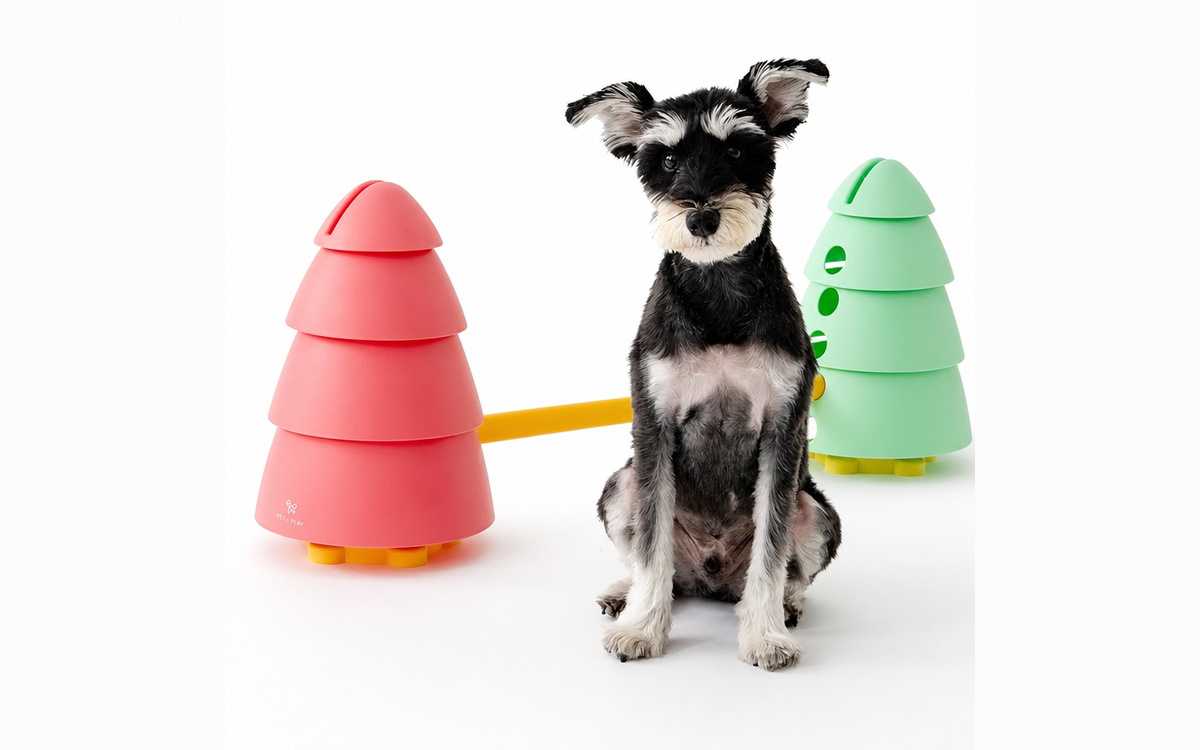
A beginner course needs variety, but it does not need every obstacle used in professional competition. Dogs first need to understand that each unfamiliar structure offers an achievable task. A well-chosen Dog Agility Training Kit should therefore introduce movement gradually, without demanding complicated turns or difficult balancing exercises immediately.
Start With An Inviting Tunnel
Open tunnels are often useful introductory obstacles because dogs can investigate them at their own pace. Start with a short, straight passage that allows the dog to see the exit. Keep the tunnel securely positioned, encourage voluntary exploration, and reward each successful attempt. Avoid pulling a hesitant animal through the structure.
Add Low Jumps And Simple Direction Changes
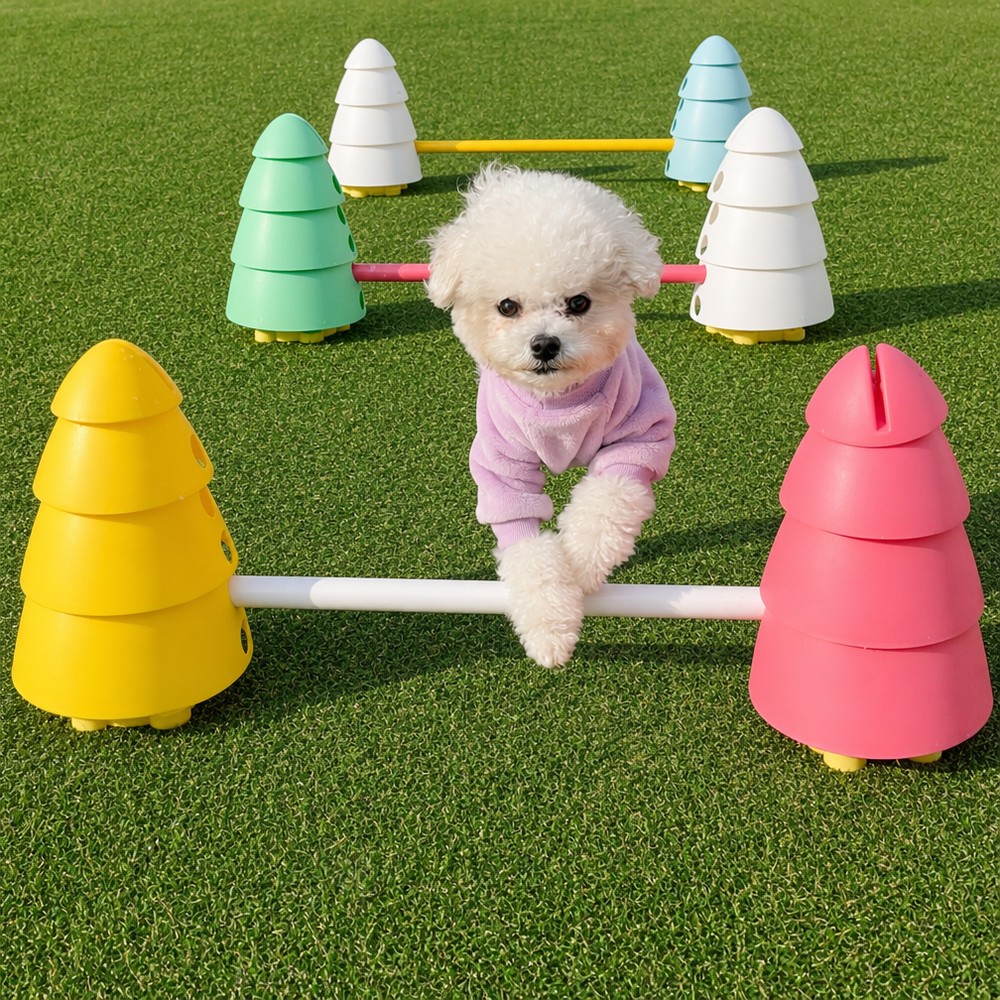
Adjustable hurdle bars introduce body awareness and handler communication. Begin with the bar on the ground before considering any increased height. Cones, low stepping elements, and widely spaced poles can provide useful variety without turning the first lesson into a demanding obstacle course.
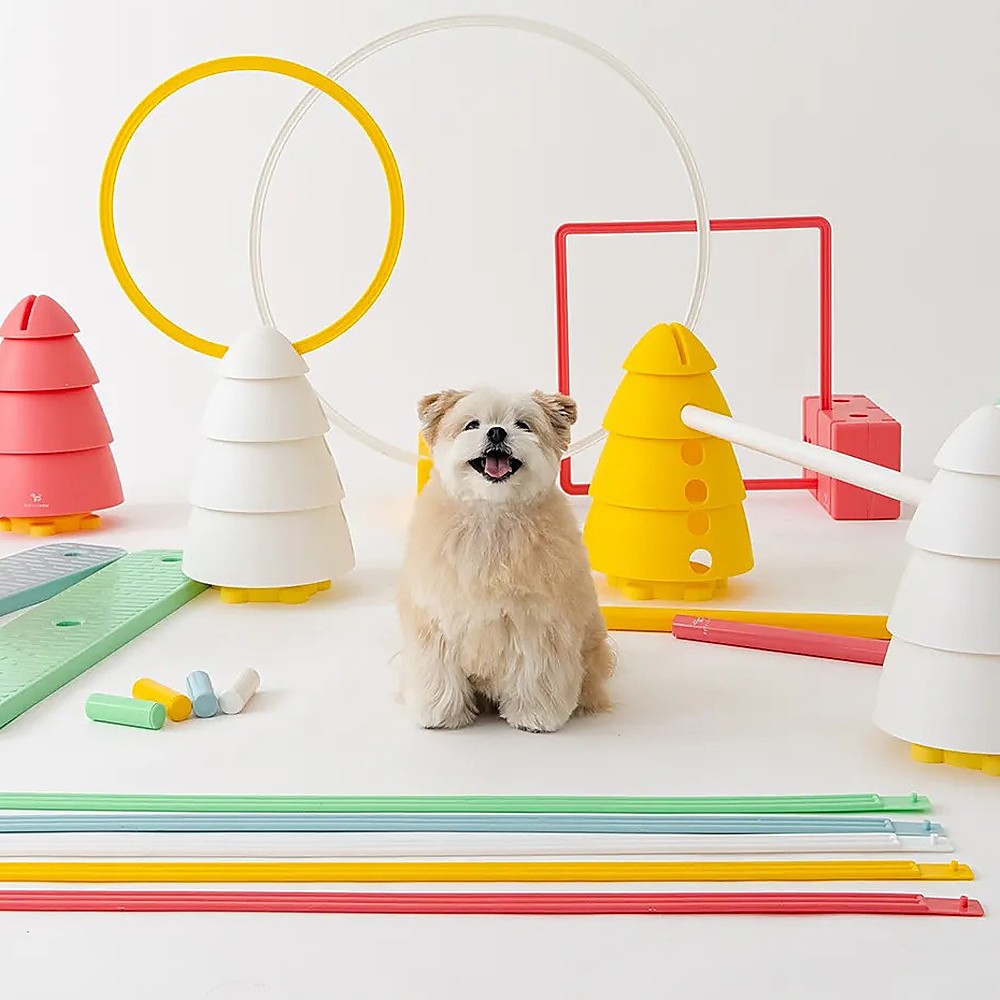
When reviewing a Dog Agility Equipment Set, look beyond the advertised piece count. Are the obstacles compatible? Can individual elements be rearranged? Is there enough clearance for the intended dogs? Good Pet Agility Training Equipment should allow a simple route today and a more interesting layout later.
Practical Selection Tip: For an introductory Dog Agility Training Set, prioritize a stable tunnel, adjustable low hurdles, and straightforward route markers before adding advanced contact equipment.
2. How Should Adjustable Jumps Match A Dog’s Size And Confidence?
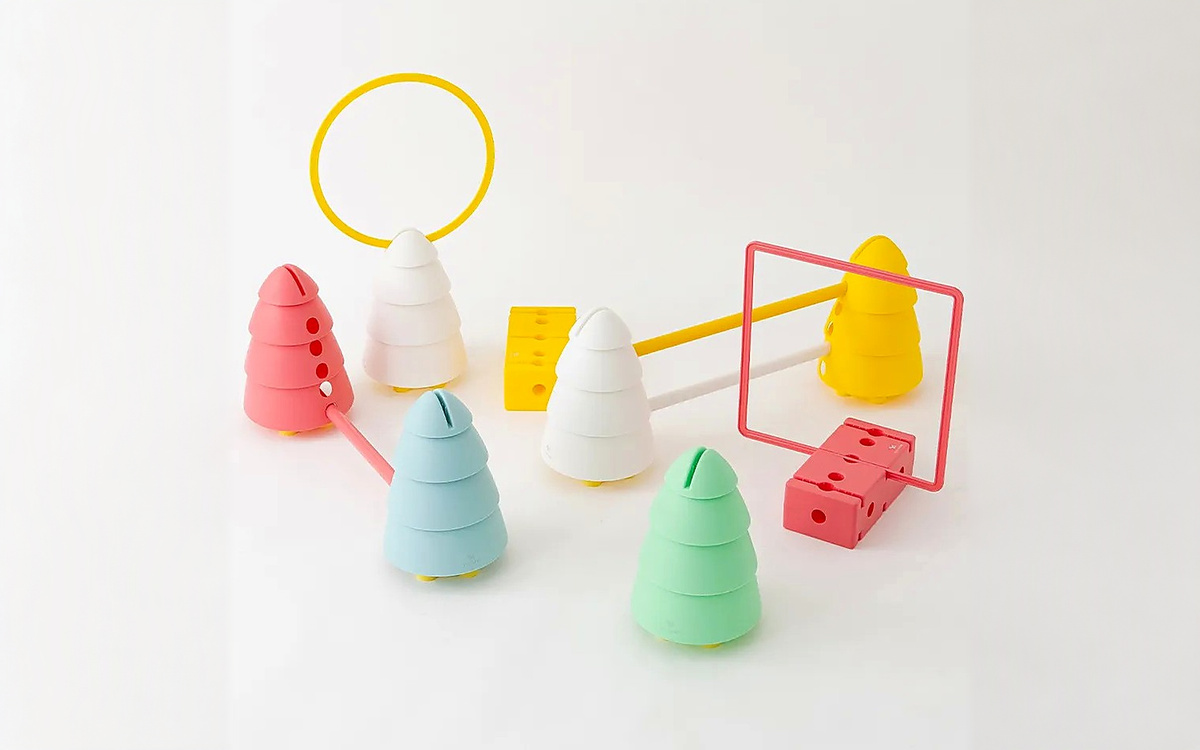
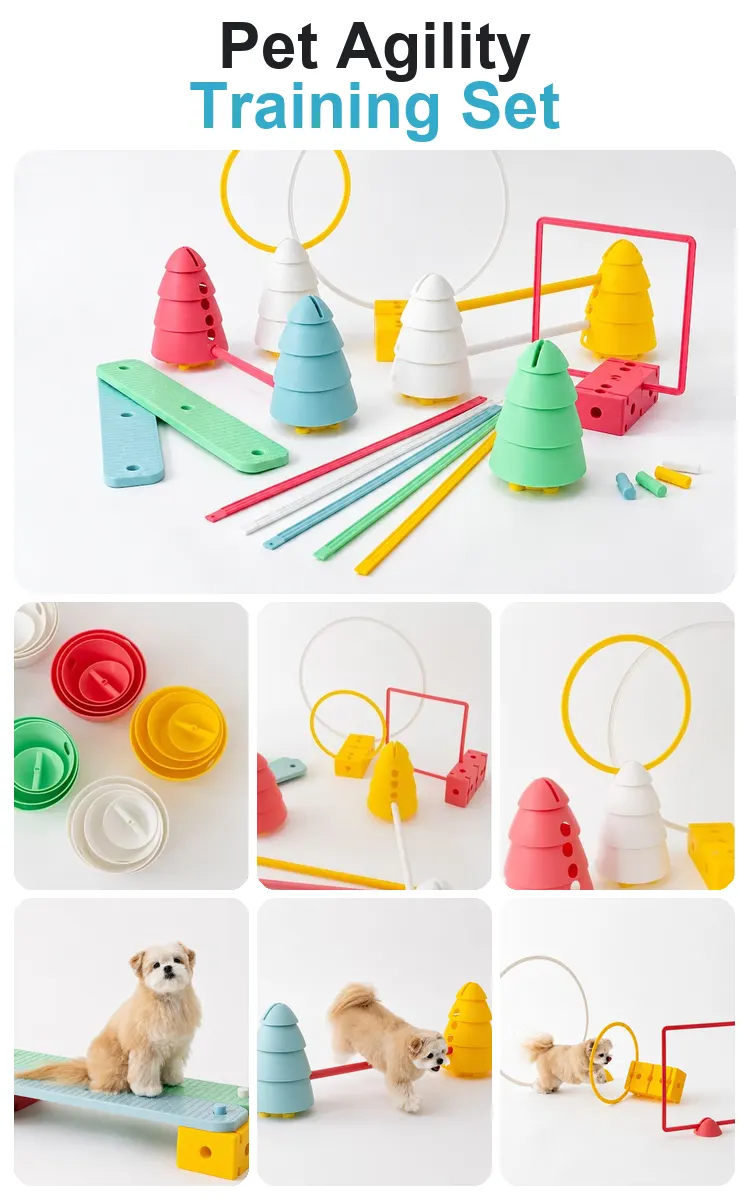
Jump height is not simply a matter of whether a dog can clear a bar. Body proportions, conditioning, movement control, and the training surface all influence what is appropriate. A small, enthusiastic dog can still struggle with repeated impact, while a larger dog may need more approach and landing room. That is why adjustability deserves attention when selecting a Dog Agility Equipment Set.
Progression Matters More Than Maximum Height
For new learners, a bar resting on the ground is sufficient to teach direction and movement. As skills develop, a qualified trainer can determine whether higher jumps are appropriate. Bars should release safely when contacted, and supporting frames should remain stable without creating dangerous rigid edges. Avoid improvising fixed obstacles that could catch a dog’s legs.
The surface also changes the experience. Slippery tile, unstable mats, and hard surfaces increase the risk of poor footing. An outdoor Dog Agility Training Set needs an even, suitable training area with clear approaches and landings. Indoor users should pay equal attention to traction and unobstructed movement.
Before ordering a Dog Agility Training Kit, ask for the available height range, adjustment method, connection details, and intended dog size. For shared facilities, adjustable obstacles allow staff to vary activities between supervised sessions. Commercial Pet Agility Training Equipment should never assume that every visiting dog has the same physical capabilities.
Important: Growing puppies, senior dogs, and dogs with mobility concerns may need low-impact activities and veterinary guidance before attempting jumps.
3. When Should Weave Poles Become Part Of A Training Course?
Weave poles look deceptively simple. To a person, they are just a line of upright markers. For a dog, they require concentration, repeated directional changes, and precise body control. Introducing tight weaving before foundational skills are established can produce frustration rather than confident learning. A progressive Dog Agility Training Kit should make it possible to teach the movement in stages.
Begin With Wide, Accessible Channels
Instead of insisting on competition-style weaving immediately, trainers can arrange poles into an open channel. The dog first learns to move forward between visible boundaries. As confidence improves, the channel can be narrowed gradually under experienced supervision. The objective is to develop understanding and smooth movement, not force speed.
Pole bases and spacing deserve special attention. The supports should suit the installation surface, and the poles should not have sharp exposed components. A portable Dog Agility Equipment Set may use removable supports, while a permanent facility may need more robust anchoring. Neither approach is automatically better; the appropriate choice depends on use frequency and location.
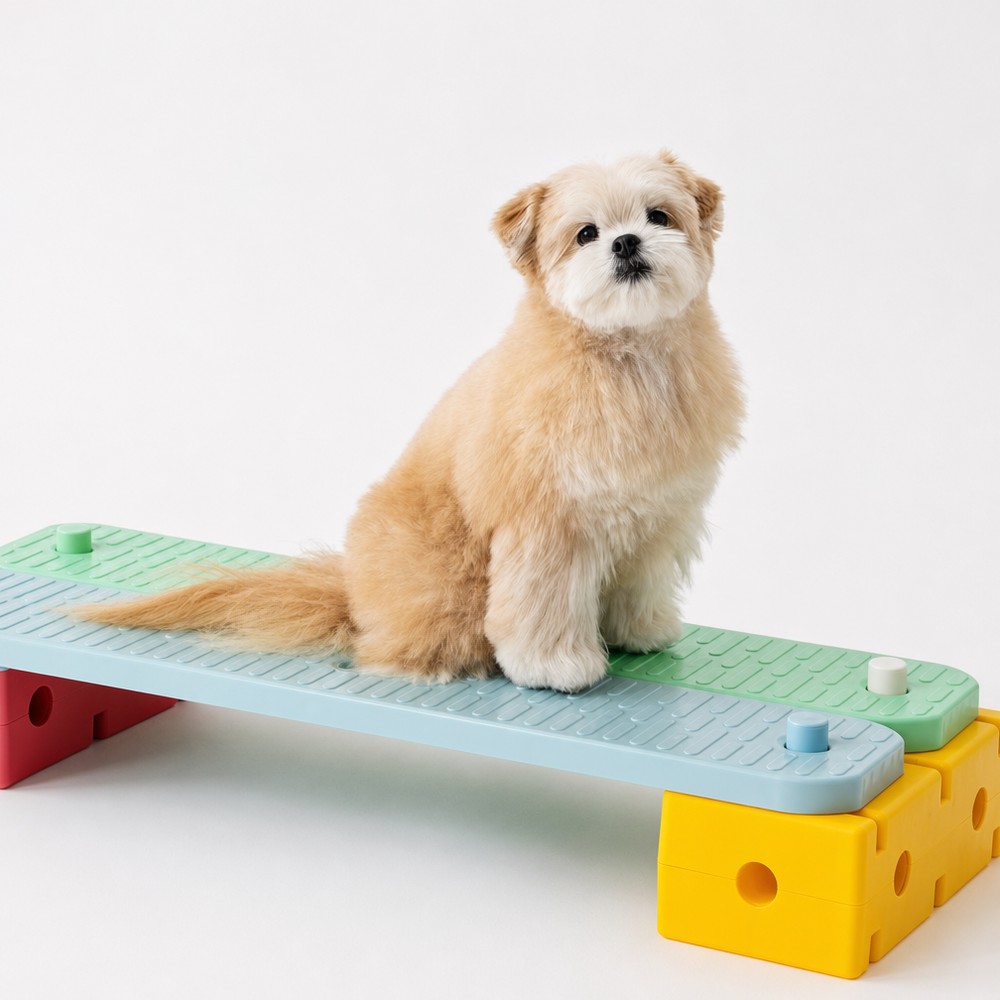
Weave poles can also form part of a broader activity environment. Residential dog areas may benefit from gentle navigation exercises, whereas specialized training centers need consistent, repeatable arrangements. When buying Pet Agility Training Equipment, distinguish casual navigation from formal agility practice. A recreational Dog Agility Training Set does not automatically meet competition specifications, and formal training should follow the relevant organization’s rules.
4. How Can You Teach Agility Without Rushing The Dog?
A successful course begins before the first obstacle is completed. Dogs need to feel comfortable with the environment, understand their handler’s signals, and associate each task with a positive experience. Buying a complete Dog Agility Training Set does not eliminate the need for patient instruction. Training quality depends on how equipment is introduced, not just its design.
Allow the dog to inspect stationary obstacles. Reward voluntary investigation, maintain an easy exit, and avoid creating pressure around unfamiliar structures.
Introduce one simple activity at a time. Use consistent verbal or visual cues and reward understanding before increasing complexity.
Link two familiar activities into a short route. Add turns or new obstacles only after the dog remains comfortable and attentive.
Short, successful sessions are usually more productive than exhausting repetitions. Observe the animal’s willingness to participate, breathing, coordination, and recovery. If attention drops or movement becomes uncomfortable, finish the session. Handlers should provide fresh water, suitable breaks, and encouragement rather than treating speed as the only measure of progress.
The structure of a Dog Agility Equipment Set can support this teaching approach when obstacles are independent and easy to reposition. A Dog Agility Training Kit with modular components lets trainers repeat familiar activities while changing the route gradually. For commercial venues, accessible Pet Agility Training Equipment also gives staff opportunities to offer introductory demonstrations before visitors attempt more challenging activities.
5. What Changes Between Home Training And A Commercial Pet Park?
A backyard owner and a pet park operator may buy similar obstacle types, but they face different practical demands. At home, convenience, storage, and one dog’s preferences often determine the layout. Commercial spaces must account for multiple users, maintenance access, supervision, and higher activity frequency. The same Dog Agility Equipment Set should not be assumed suitable for both environments without reviewing its specifications.
| Planning Factor | 🏡 Home Training | 🐕 Commercial Pet Facility |
|---|---|---|
| Equipment Layout | Compact and frequently rearranged | Defined activity zones with clear circulation |
| Construction | Lightweight or removable components | Durable structures suitable for repeated use |
| Training Activities | Personalized to a familiar dog | Different difficulty levels for supervised users |
| Maintenance | Routine owner inspections | Documented inspection and cleaning procedures |
A private garden may only need a portable Dog Agility Training Kit with several core obstacles. A dog daycare or community facility might benefit from dedicated balance stations, climbing elements, low platforms, and separated activity areas. These features create variety without requiring every animal to perform formal competitive agility.
Space planning should include approach routes, landing areas, access for cleaning, and places for dogs to rest. Facilities serving dogs of different sizes may need separate sessions or zones. A project-specific Pet Agility Training Equipment proposal can account for these needs through coordinated component selection and layout planning. For operators developing a branded pet-friendly destination, a customized Dog Agility Training Set can also align with the venue’s colors and architectural style.
6. Which Dogs Need A Modified Course Or Extra Guidance?
Not every dog enjoys the same challenges, and that is an important consideration when choosing equipment. Physical development, age, health, temperament, and previous experience can influence how an animal responds to obstacles. A versatile Dog Agility Training Set should support appropriate alternatives rather than expecting every dog to follow one demanding route.
Adapt Activities To Individual Abilities
Puppies can benefit from basic cues, low-impact exploration, and confidence-building activities, but strenuous jumping and repetitive twisting should wait until physical maturity and appropriate professional guidance. Older dogs may prefer slower navigation, low stepping activities, or straightforward tunnels. Dogs with existing orthopedic or neurological concerns need veterinary advice before beginning physically demanding exercises.
Fearful dogs require an equally thoughtful approach. An animal that hesitates near an enclosed tunnel or unfamiliar elevated surface should never be pushed through it. Offering an easier alternative often preserves the dog’s willingness to participate. In these situations, the adjustability of a Dog Agility Training Kit becomes more useful than the total number of obstacles.
For a facility serving mixed breeds and sizes, equipment selection should consider more than a generic weight category. Review usable widths, surface traction, obstacle height, entry angles, and opportunities for supervised exits. A properly specified Dog Agility Equipment Set allows operators to organize suitable activities for different dogs. Modular Pet Agility Training Equipment can support this approach by offering alternative routes, provided the resulting configuration is inspected and appropriate for its users.
7. Which Materials Make Outdoor Equipment Worth Keeping?
Outdoor dog equipment faces repeated contact, moisture, sunlight, dirt, and changing temperatures. A product that looks attractive when new may become difficult to maintain if its surface degrades or its connections loosen. Durability therefore means more than choosing a heavy material. A reliable Dog Agility Equipment Set needs appropriate construction, weather-resistant finishing, and parts that can be inspected or maintained.
Useful for specified supporting structures. Confirm coating, corrosion exposure, joint protection, and edge finishing.
Selected molded components may offer rounded shapes and manageable cleaning. Verify UV resistance, strength, and surface traction.
Suitable for certain natural-style projects when properly specified. Review treatment, splinter prevention, drainage, and maintenance.
Surface treatment is especially important for ramps and platforms, where dogs need dependable footing. Rounded accessible edges, protected connections, and secure anchoring should be part of the product review. Before buying a Dog Agility Training Set, ask the manufacturer for drawings and material details that correspond to the proposed model.
A portable fabric-based Dog Agility Training Kit has different storage and maintenance requirements from permanent outdoor structures. Neither should be left exposed beyond the conditions recommended for the product. Commercial buyers comparing Pet Agility Training Equipment should also ask about spare parts, cleaning recommendations, inspection intervals, and replacement procedures. Long-term value comes from equipment that remains usable and maintainable, not simply from the lowest initial quotation.
8. Is A Portable Kit Or A Fixed Installation The Better Investment?
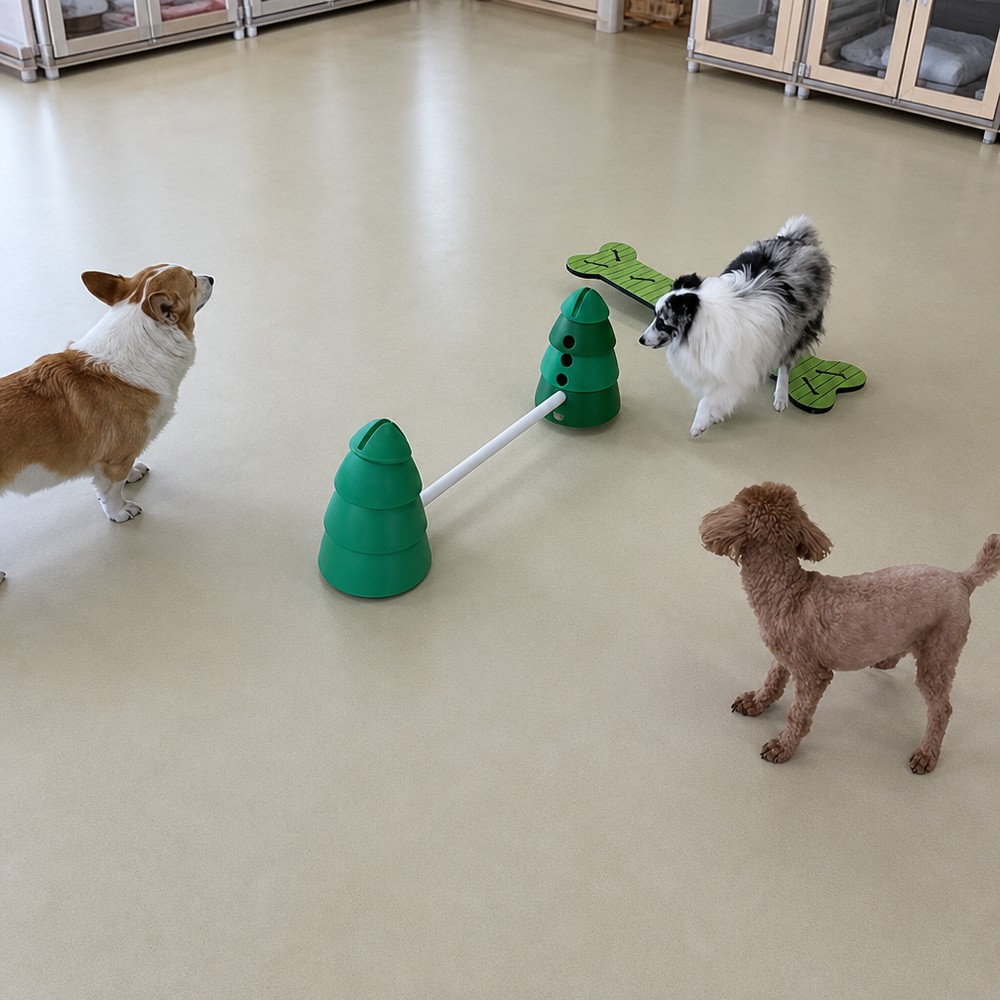
Portability is valuable when equipment moves between training locations, but it becomes less important when a facility operates a permanent activity zone. The correct decision depends on how frequently the course is rearranged, who uses it, and where it is stored. A portable Dog Agility Training Kit can be convenient for instructors who travel or owners with limited garden space.
Consider The Full Setup Routine
Portable components should be manageable to carry, straightforward to assemble, and secure once installed. Buyers should check whether carrying bags, tunnel anchors, connectors, and necessary tools are included. Frequent assembly can also create wear, so the durability of joints and removable components matters.
Fixed equipment may be preferable for supervised community dog parks, dedicated training grounds, and commercial recreation projects. Permanent installations can reduce daily setup work and support a consistent layout. However, they require appropriate foundations, installation planning, access for maintenance, and consideration of site drainage.
A modular Dog Agility Equipment Set offers a third option: a coordinated group of structures that can be selected or expanded as the facility develops. Operators can begin with essential obstacles, evaluate visitor preferences, and add compatible activity features later.
Decision Guide: Choose portability for changing training locations. Prioritize permanent construction for regular public use. Consider modular Pet Agility Training Equipment when future expansion is likely.
Before confirming a Dog Agility Training Set, estimate the practical cost of assembly, maintenance, storage, and future replacement. This produces a more useful comparison than considering the purchase price alone.
9. What Must A Buyer Verify Before Ordering A Complete Set?
A professional quotation should make it possible to compare actual equipment rather than vague product descriptions. Two suppliers may offer similar-looking collections while using different materials, dimensions, accessories, and installation methods. Before purchasing a Dog Agility Equipment Set, request a clearly defined scope of supply.
A Practical Procurement Checklist
- Individual product dimensions and quantities
- Suitable dog sizes and activity levels
- Material specifications and surface finishes
- Anchoring and installation requirements
- Relevant model-specific test documentation
- Packing dimensions, weight, and shipment terms
- Production schedule and delivery conditions
- Warranty coverage and replacement parts
For commercial projects, also request a layout showing how the obstacles fit within the usable site. Share the number of expected users, indoor or outdoor conditions, available space, and preferred activity types. Product certificates should be evaluated for their actual scope and destination-market requirements; a general playground certificate does not automatically prove compliance for every dog training product.
Request documentation for the exact product model and intended market. Material reports, product test records, and certificates should be checked for their scope, validity, and relevance to the proposed equipment.
Custom Manufacturing With JQPlayground
Established in 1995, Wenzhou Jiqi Amusement Equipment Co., Ltd. provides playground and pet activity equipment for international projects. JQPlayground offers customizable product combinations, colors, styles, and layouts. Buyers considering a Dog Agility Training Kit can discuss individual obstacles or a coordinated project configuration.
For a customized Dog Agility Training Set, project specifications should be reviewed before production. This helps align the equipment with the intended location, activity level, and installation requirements. Whether the order involves a compact training area or larger Pet Agility Training Equipment, clear drawings, documented specifications, and agreed delivery terms can prevent costly misunderstandings.
Planning A Dog Agility Area For Your Next Project?
JQPlayground can discuss modular equipment combinations, customized colors, space planning, and product selection for residential or commercial applications.
Share your project dimensions, intended dog sizes, installation country, preferred obstacles, and budget range. These details make it easier to recommend an appropriate equipment combination and prepare a relevant quotation.
🐾 Explore Custom Agility Equipment🐾 Conclusion: The right agility equipment supports confident dogs, practical training, and manageable ownership costs. Match each obstacle to the user, compare construction and maintenance needs, and request clear specifications. A carefully selected Dog Agility Equipment Set is a more valuable investment than an unnecessarily complicated course.


 English
 Español
 Français
 Deutsch
 Português