


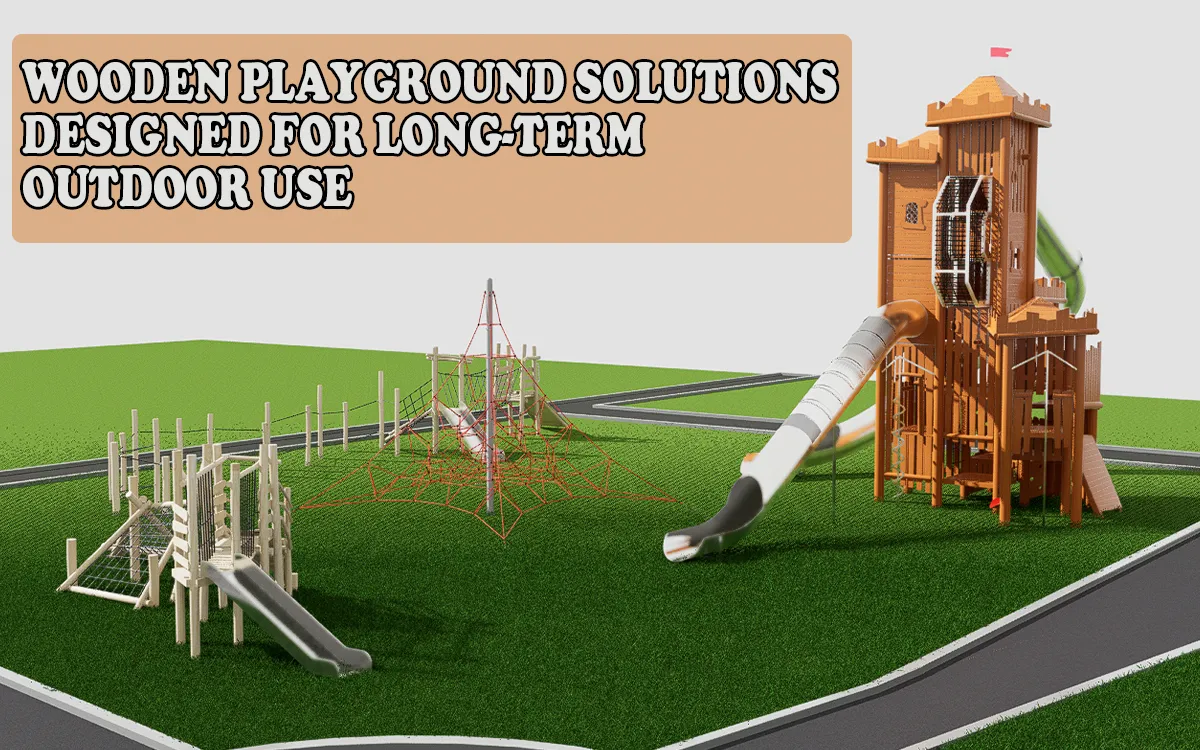
Wooden Playground Solutions Designed For Long-Term Outdoor Use
Many schools and public institutions struggle to find outdoor play equipment that feels natural, stays safe over time, and resists constant weather exposure. Poor material choices and weak manufacturing often lead to rapid aging, safety risks, and repeated replacement. Choosing a well-designed wooden playground offers a reliable, long-term solution when planned and produced correctly.
A wooden playground designed with proven construction methods, quality timber, and professional manufacturing experience transforms best wooden playground ideas into durable, climate-ready outdoor play spaces.
Understanding performance, customization, and support helps buyers confidently move forward.
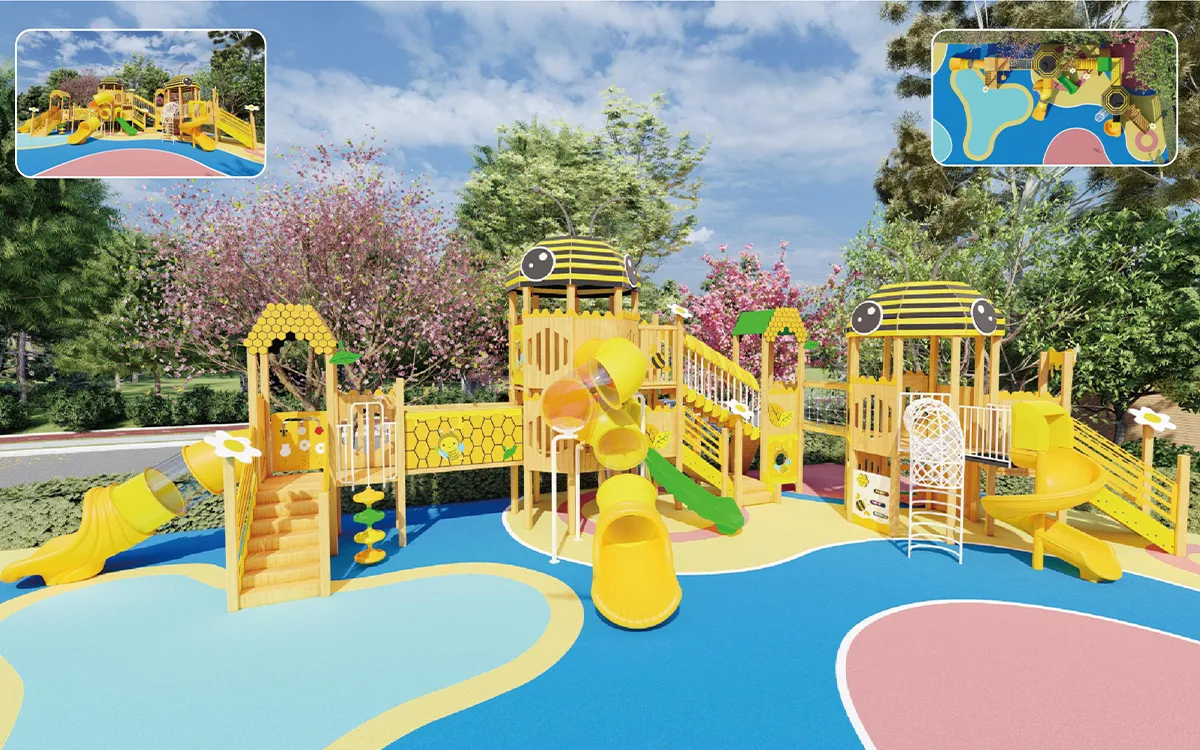
Why is a wooden playground suitable for schools, kindergartens, and public spaces?
A wooden playground fits naturally into educational and public environments because it blends functionality, safety, and visual harmony. Schools and kindergartens often prefer natural-looking play areas that feel calm, welcoming, and connected to outdoor learning concepts. Wood textures soften the visual impact of playgrounds and encourage imaginative play, making them ideal for young children.
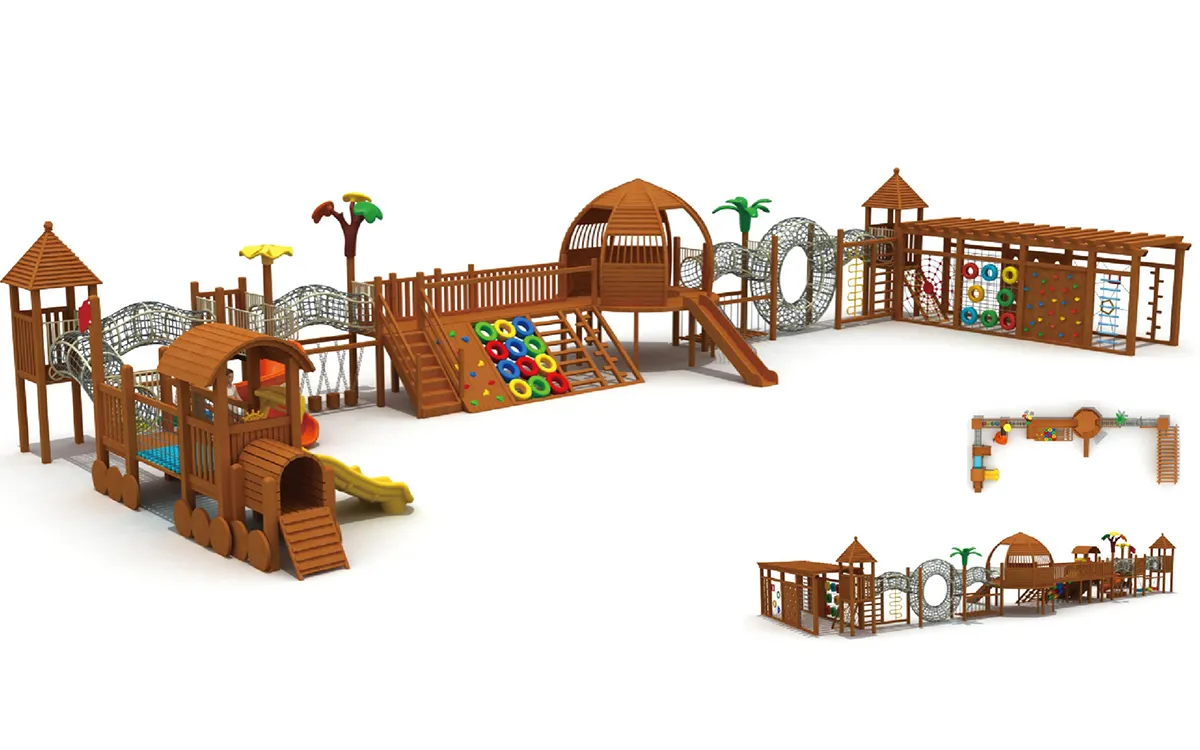
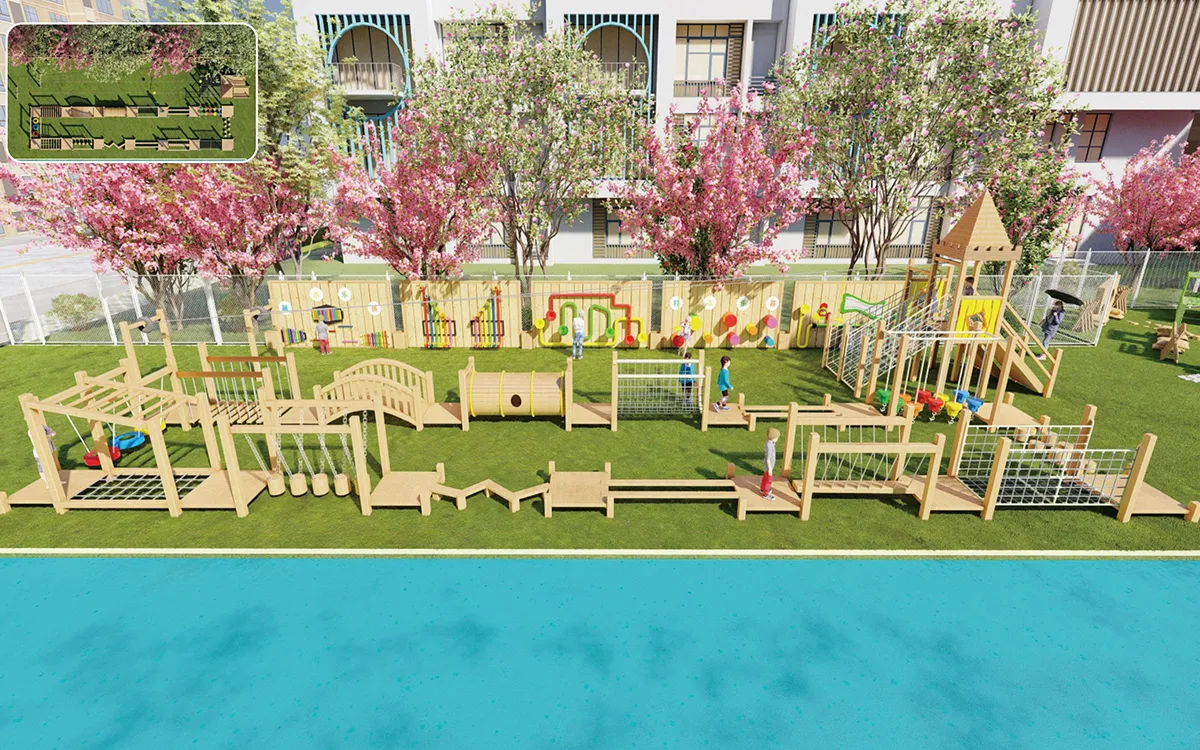
From a functional perspective, best wooden playground ideas support multiple age groups. Climbing frames, balance elements, slides, and platforms can be scaled for preschoolers or older students without compromising safety. This flexibility allows one wooden playground to serve many users throughout the day.
Public spaces also benefit from the durability and modular nature of wooden systems. When planners understand how to build a wooden playground, they can design zones that manage high traffic while maintaining clear supervision lines. The result is an outdoor play solution that supports education, recreation, and community engagement simultaneously.
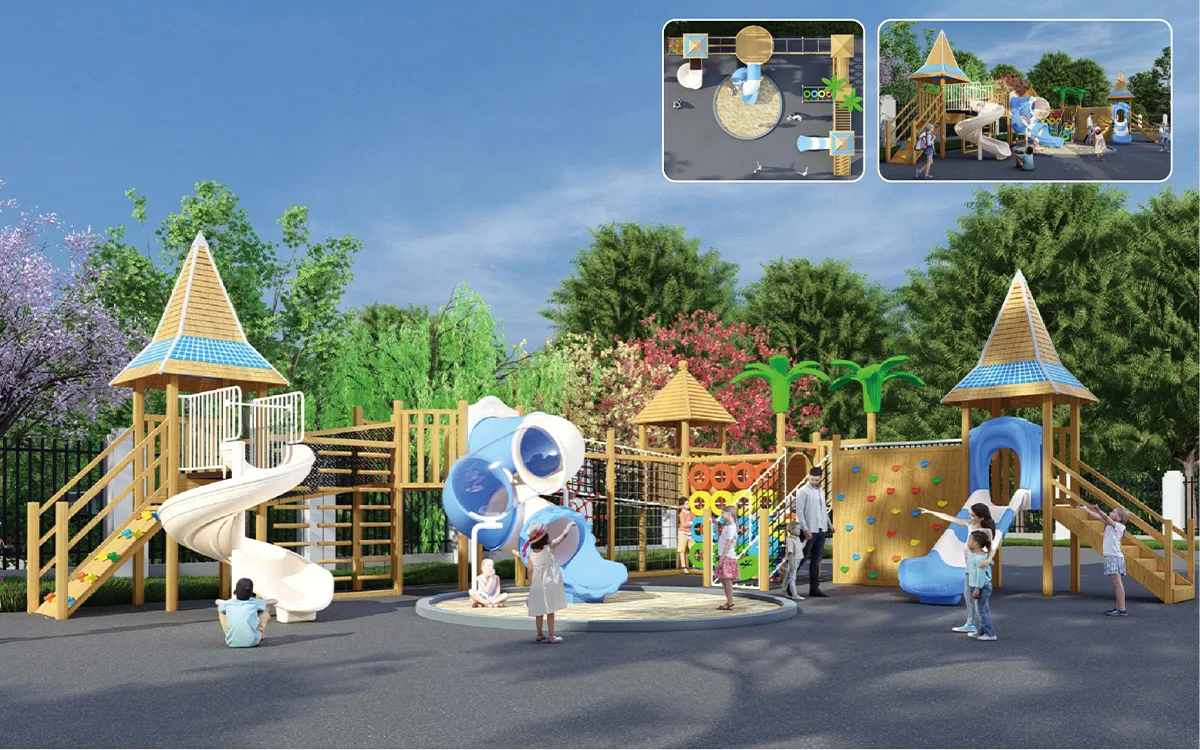
How does a wooden playground perform in different climate conditions over time?
Climate performance is a common concern when selecting a wooden playground, but modern treatment methods significantly improve longevity. Properly processed timber resists moisture absorption, insect damage, and surface cracking, allowing structures to remain stable in hot, cold, wet, or dry conditions.
In colder regions, how to build a wooden playground correctly includes allowing for material expansion and contraction. Precision engineering ensures joints remain secure even during seasonal temperature shifts. In warmer or humid climates, protective coatings and treated wood surfaces prevent mold growth and UV degradation.
Long-term performance depends on both material selection and manufacturing accuracy. Best wooden playground ideas incorporate drainage-friendly designs, raised platforms, and reinforced contact points to reduce wear. With proper design and factory preparation, a wooden playground maintains its structural integrity and appearance year after year across diverse environments.
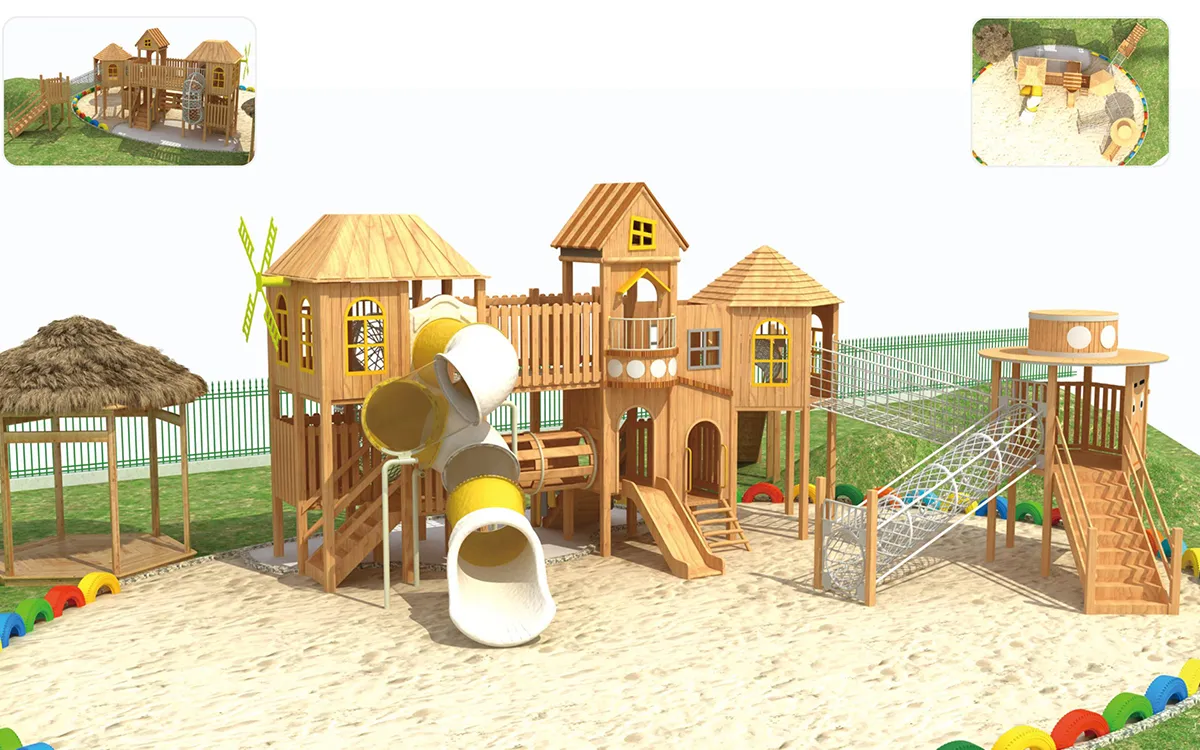
What customization options are available when developing a wooden playground project?
Customization is one of the strongest advantages of a wooden playground. Projects can be adapted to match site size, user age, educational goals, and aesthetic preferences. From simple climbing frames to complex adventure structures, best wooden playground ideas offer endless layout possibilities.
Color customization allows natural wood tones to remain visible or be combined with soft accent colors that match school branding or community themes. Height adjustments, platform spacing, and activity selection ensure each wooden playground fits its specific environment.
Design flexibility also supports accessibility and inclusive play. Ramps, wider platforms, and ground-level elements can be integrated when planners understand how to build a wooden playground that serves all children equally. Customization transforms a standard play area into a unique, purpose-driven outdoor space.
How do manufacturers ensure consistent quality for each wooden playground installation?
Consistent quality starts in the factory. Experienced manufacturers apply standardized production processes that control cutting precision, treatment depth, and assembly accuracy. Each component of a wooden playground is produced using detailed specifications to ensure uniform strength and fit.
Quality inspections occur at multiple stages. Raw materials are checked before processing, while finished parts undergo structural and surface inspections before packaging. This systematic approach protects best wooden playground ideas from inconsistencies that could affect safety or durability.
Advanced production planning also supports scalability. Whether producing a single wooden playground or multiple installations, factories with strong experience understand how to build a wooden playground efficiently without sacrificing craftsmanship. This reliability gives buyers confidence in both small and large projects.
What after-sales support is typically provided for a commercial wooden playground?
After-sales support plays a crucial role in extending the life of a wooden playground. Professional suppliers provide detailed installation guidance, maintenance recommendations, and technical support to ensure correct assembly and long-term performance.
Maintenance instructions help operators understand cleaning routines, surface care, and inspection schedules. When buyers know how to build a wooden playground with ongoing care in mind, they reduce unexpected downtime and repair costs.
Spare parts availability is another important factor. Modular best wooden playground ideas allow damaged components to be replaced without dismantling the entire structure. Reliable after-sales service ensures that each wooden playground remains safe, attractive, and functional throughout its service life.
Conclusion
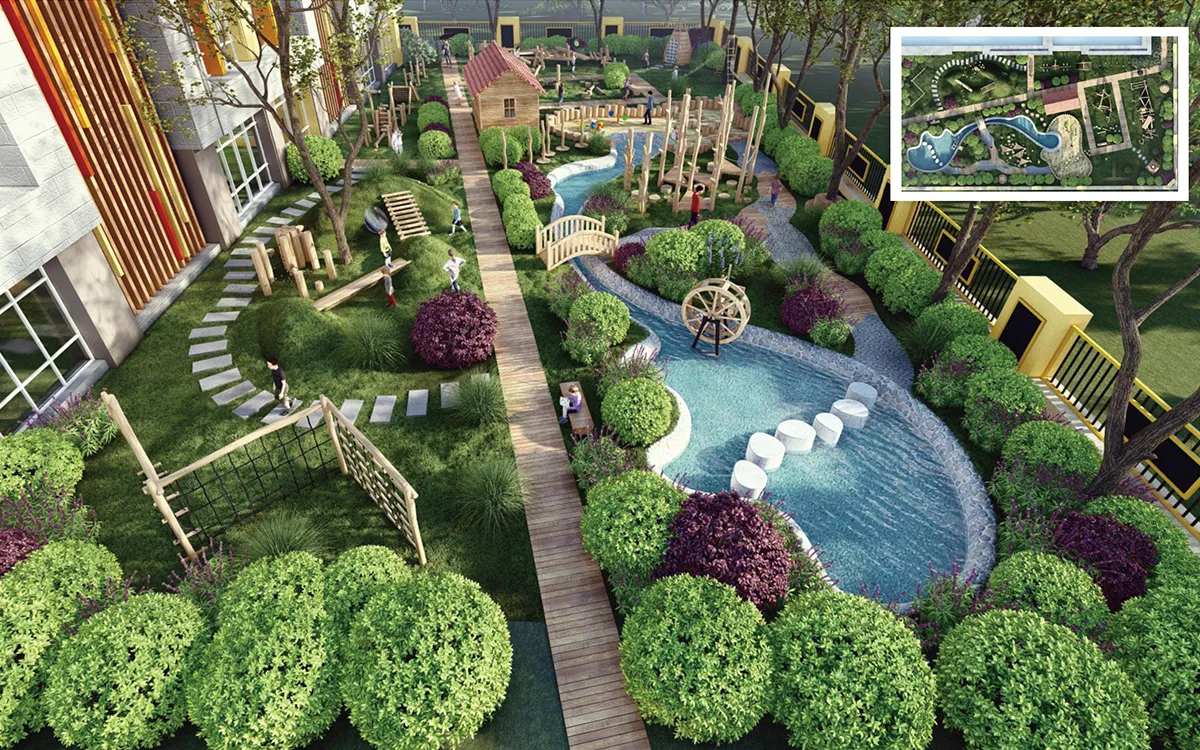
A professionally designed wooden playground transforms best wooden playground ideas into long-lasting outdoor spaces when built with expertise, climate awareness, customization, and dependable support.


 English
  Español
  Français
  Deutsch
  Português